
Kostenlos 
Gopro and ccd 360 degree pan tilt mount
Thingiverse
This collection gathers 3D models built around two-axis movement: mounts that turn a camera horizontally and tilt it vertically. It covers action camera brackets, FPV turrets, servo-driven heads and rotating platforms, so the parts differ a lot in size and mechanism. Most of them are made for 3D printing in small batches, which makes it easy to adapt a design to a specific camera or servo. Polyzon does not confirm whether models are free, their price, license, official status, affiliation, safety or fitness. Check the current terms at the source.
Der Text dieser Sammlung ist auf Englisch verfasst; die Suche selbst funktioniert in jeder Sprache.
 Eine Sammlung von Polyzon · 48 Modelle von 3 Plattformen
Polyzon stellt diese Sammlung aus den Suchergebnissen der angebundenen Plattformen zusammen. Dubletten und Modelle ohne Vorschaubild werden entfernt, schwache Treffer rutschen ans Ende, der Rest bleibt in der Reihenfolge der Suche. Die Modelle gehören ihren Urhebern – die Bedingungen findest du auf der Seite des jeweiligen Modells.
Auswahlregeln: Polyzon-Redaktion · Text aktualisiert: 12.10.2026

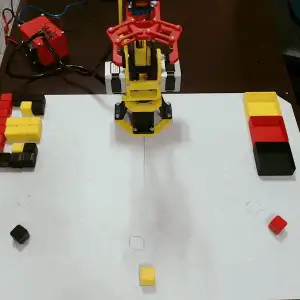

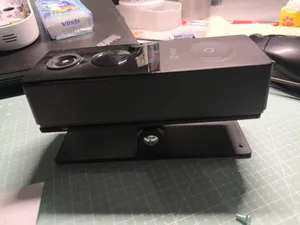
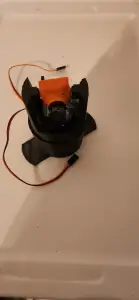

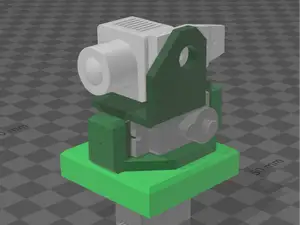
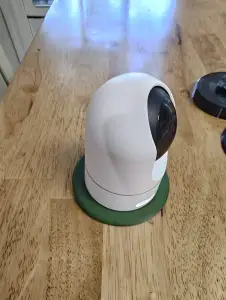

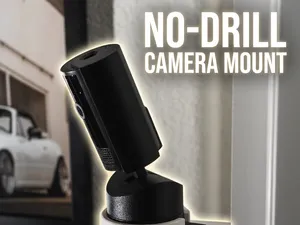


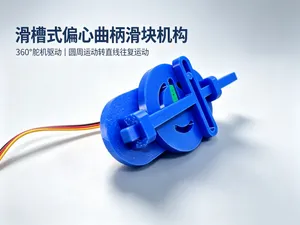
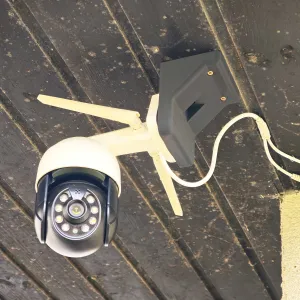

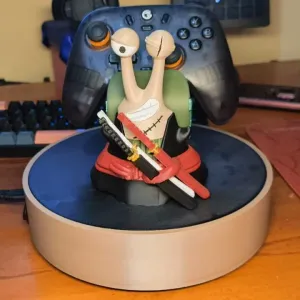

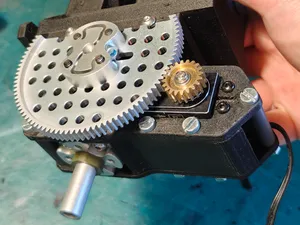


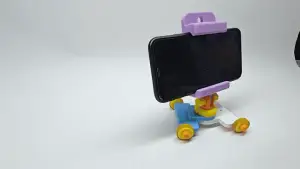

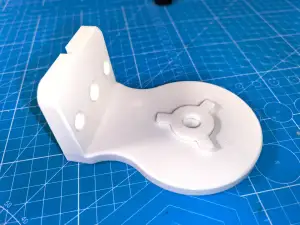
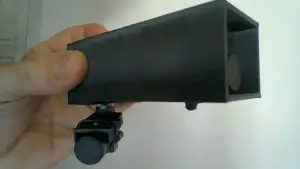


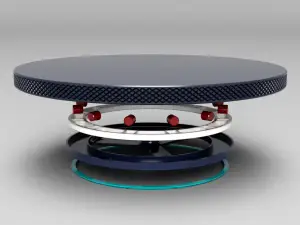

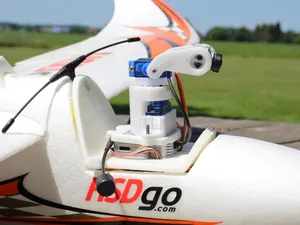
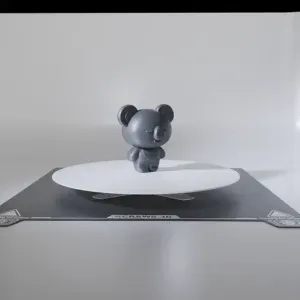

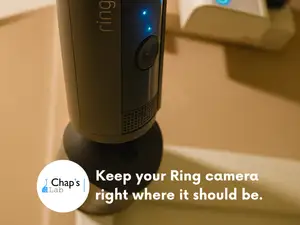
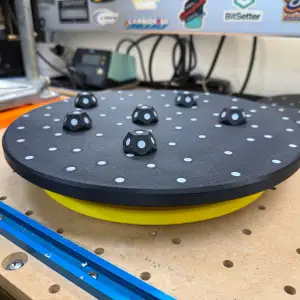

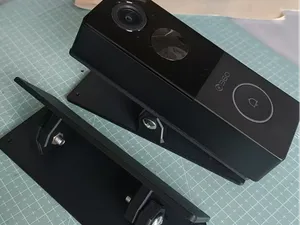
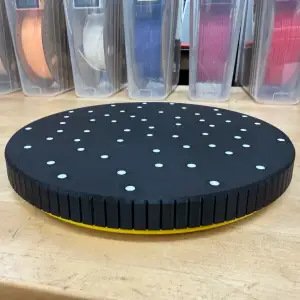

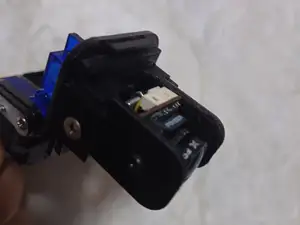
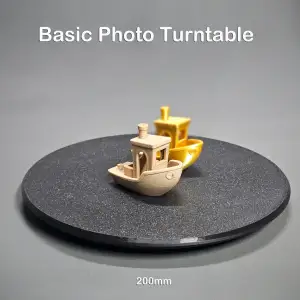


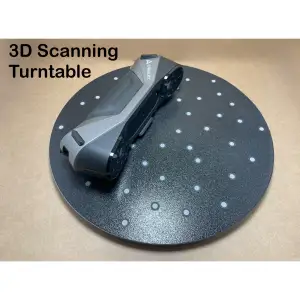
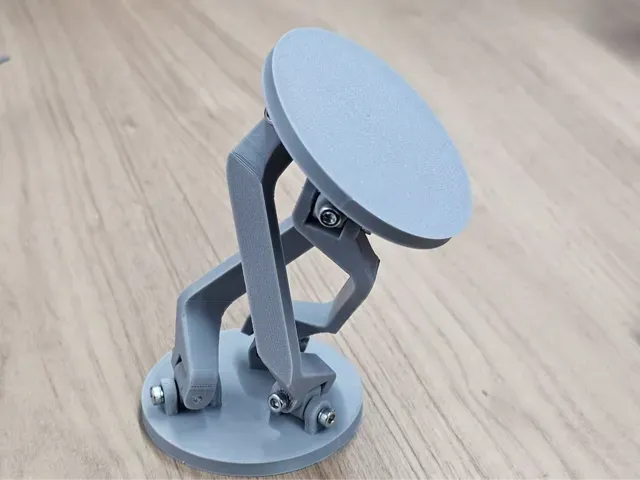
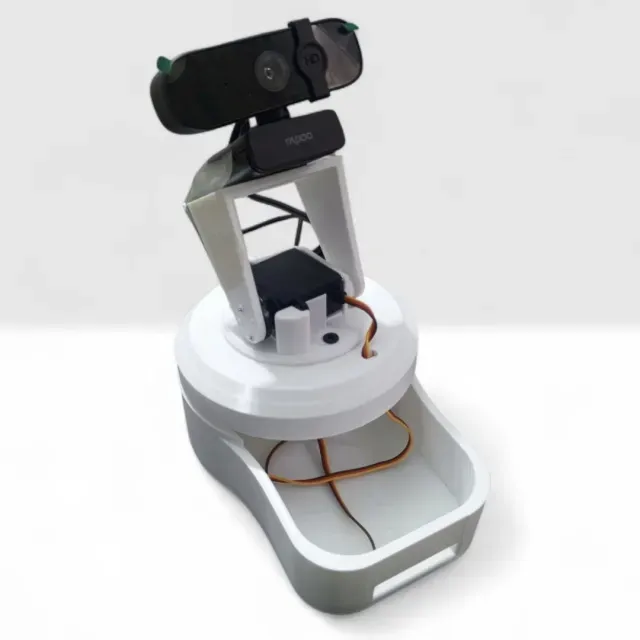
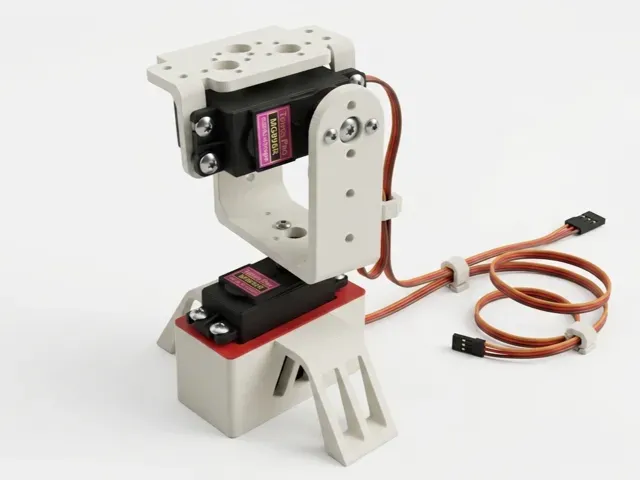
The models split roughly into two groups. One group is mechanical: brackets, arms and housings that hold a camera or a servo and let it rotate, sometimes with gearboxes that multiply the travel of a small servo. The other group is structural: wall and ceiling mounts for indoor cameras and doorbells, plus turntables that rotate a platform rather than a lens. FPV turrets and gimbals sit between the two, since they combine a frame with a moving joint.
When choosing a model, look at the geometry before anything else. Check the stated rotation range on each axis, the size of the camera or servo the mount is shaped around, and how many separate parts need to be printed and joined. Look at whether the author lists screws, bearings or inserts, whether supports are needed for overhangs, and which material and layer settings they used. Photos of real prints on the model page show how the joint behaves better than a render does.
If the results feel narrow, try other wording. Searches for gimbal, turret, bracket, two-axis head or rotating platform often surface different designs than pan tilt alone. Adding the device name, the servo size or the intended use, such as scanning, display or camera housing, narrows the list further. Related topics like robotic arms, ball joints and tripod adapters are worth a look when a mount needs a different kind of movement.


Der komplette Themenkatalog – von Wohnen & Haushalt bis CNC, mit Suche auf allen angebundenen Plattformen.