
Kostenlos 
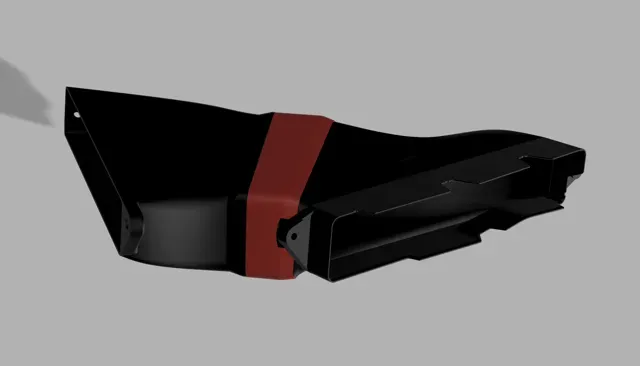
Air intake Audi RS7 C7
GrabCAD
This collection gathers STL files for air intake parts: adapters that join a filter or pipe to a factory housing, scoops and ducts that guide air toward the airbox, and a smaller set for motorcycles, RC cars and enclosures. It helps when a stock piece is missing, cracked or hard to find and you want to print a new one on a 3D printer. Browsing by part type or by engine family narrows the list quickly. Polyzon does not confirm whether models are free, their price, license, official status, affiliation, safety or fitness. Check the current terms at the source.
Der Text dieser Sammlung ist auf Englisch verfasst; die Suche selbst funktioniert in jeder Sprache.
 Eine Sammlung von Polyzon · 48 Modelle von 5 Plattformen
Polyzon stellt diese Sammlung aus den Suchergebnissen der angebundenen Plattformen zusammen. Dubletten und Modelle ohne Vorschaubild werden entfernt, schwache Treffer rutschen ans Ende, der Rest bleibt in der Reihenfolge der Suche. Die Modelle gehören ihren Urhebern – die Bedingungen findest du auf der Seite des jeweiligen Modells.
Auswahlregeln: Polyzon-Redaktion · Text aktualisiert: 12.10.2026


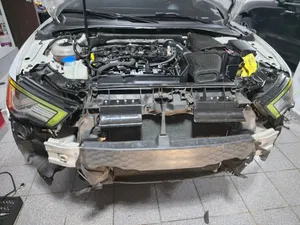

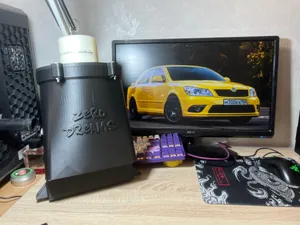

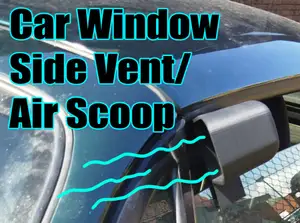

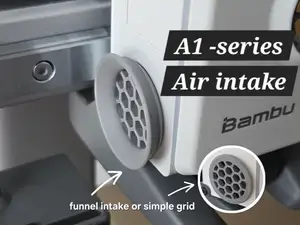



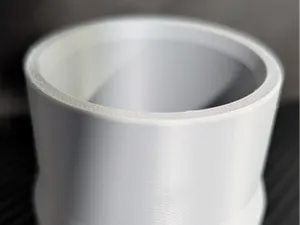
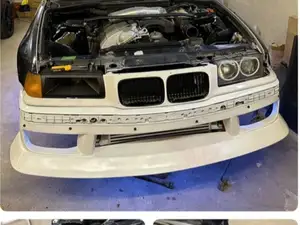



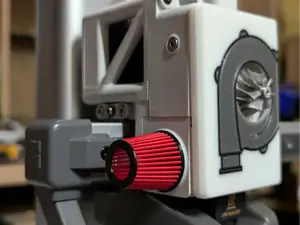



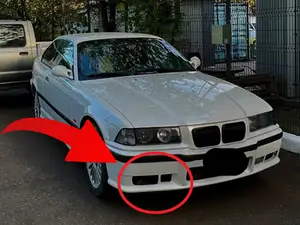

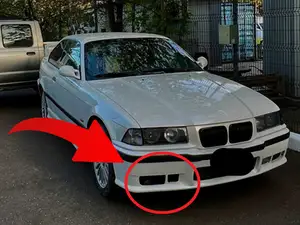
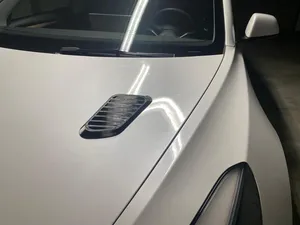





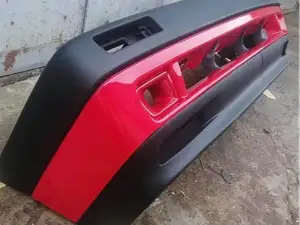


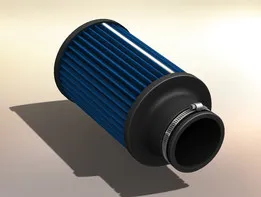
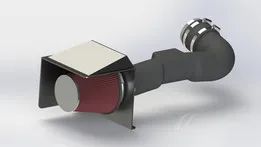


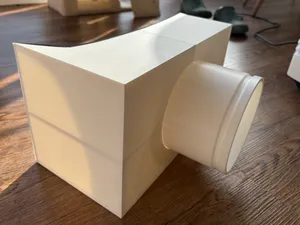
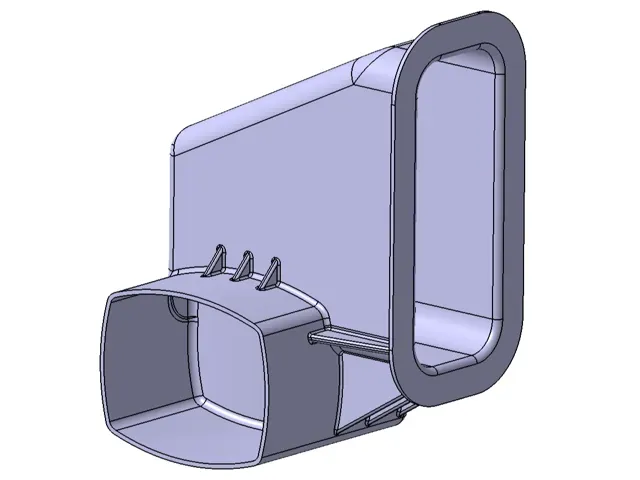
Adapters are the largest group here. They sit between an airbox, a filter or a pipe, and they are usually modelled around a particular connector diameter, so the wall thickness and the flange shape decide whether the part lines up. Scoops and ducts are shaped pieces that pull air from the front of the car or from behind a headlight toward the filter housing, and they often have to clear existing brackets. A smaller set covers velocity stacks and funnels for motorcycles, plus intakes for RC bodies, diesel heaters and enclosures, where the geometry is simpler and mostly about the size of the opening.
Before printing, open the model page and read the dimensions the author lists: the inlet and outlet diameters, the overall length and the spacing between mounting holes tell you whether the part will meet the housing it is meant to connect to. Check how many pieces the model contains and whether they are glued or bolted together, and whether the author expects supports under overhangs. Material and settings matter too, since the engine bay brings heat and vibration, so the filament and print orientation the author describes are worth following.
If the results look thin, search by engine code or platform name rather than by model name, and try synonyms such as airbox, filter housing, intake pipe, scoop, duct or velocity stack. Related topics lead to neighbouring parts: turbo piping, intercooler ducting, bonnet vents and cold-side routing, as well as adapters shared across several cars from the same group. Adding a connector diameter or a mounting type to the query usually cuts the list to a handful of results.


Der komplette Themenkatalog – von Wohnen & Haushalt bis CNC, mit Suche auf allen angebundenen Plattformen.