
Kostenlos 
Shock Absorber Damper Rebuild Stand
Thingiverse
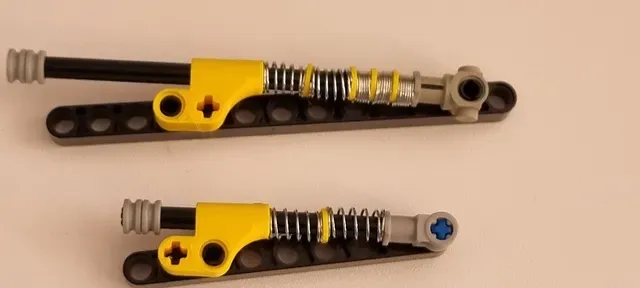
This collection gathers 3D models built around Technic-style shock absorbers: damper bodies, pistons, springs, coilover shells and small accessories. Most files are meant for 3D printing at home and cover both brick-scale builds and RC car repairs. It is a useful starting point if you need a replacement part or want to model a suspension layout yourself. Polyzon does not confirm whether models are free, their price, license, official status, affiliation, safety or fitness. Check the current terms at the source.
Der Text dieser Sammlung ist auf Englisch verfasst; die Suche selbst funktioniert in jeder Sprache.
 Eine Sammlung von Polyzon · 48 Modelle von 4 Plattformen
Polyzon stellt diese Sammlung aus den Suchergebnissen der angebundenen Plattformen zusammen. Dubletten und Modelle ohne Vorschaubild werden entfernt, schwache Treffer rutschen ans Ende, der Rest bleibt in der Reihenfolge der Suche. Die Modelle gehören ihren Urhebern – die Bedingungen findest du auf der Seite des jeweiligen Modells.
Auswahlregeln: Polyzon-Redaktion · Text aktualisiert: 13.10.2026


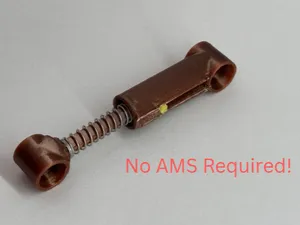
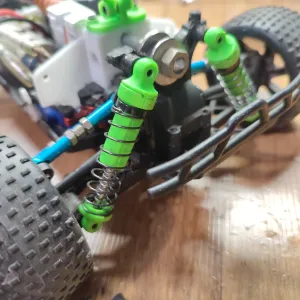


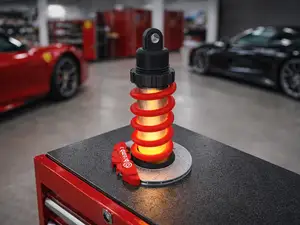
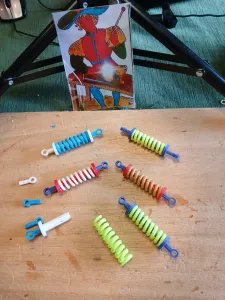


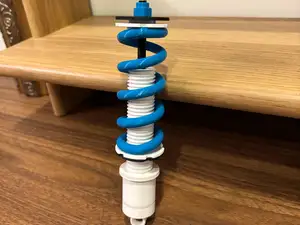
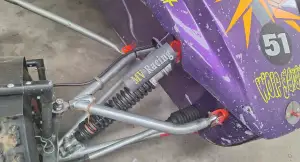

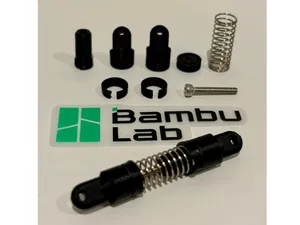
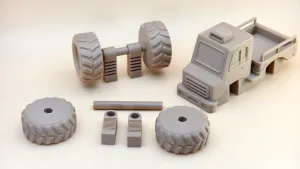

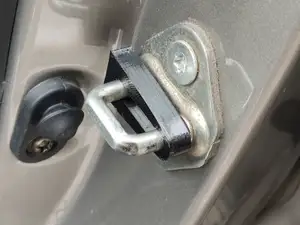
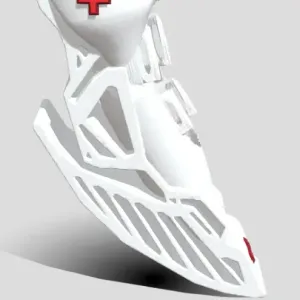

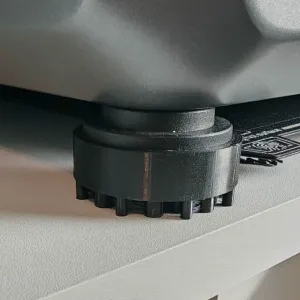

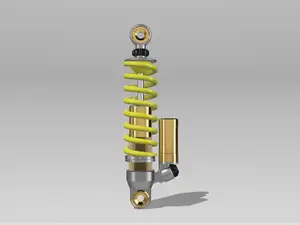
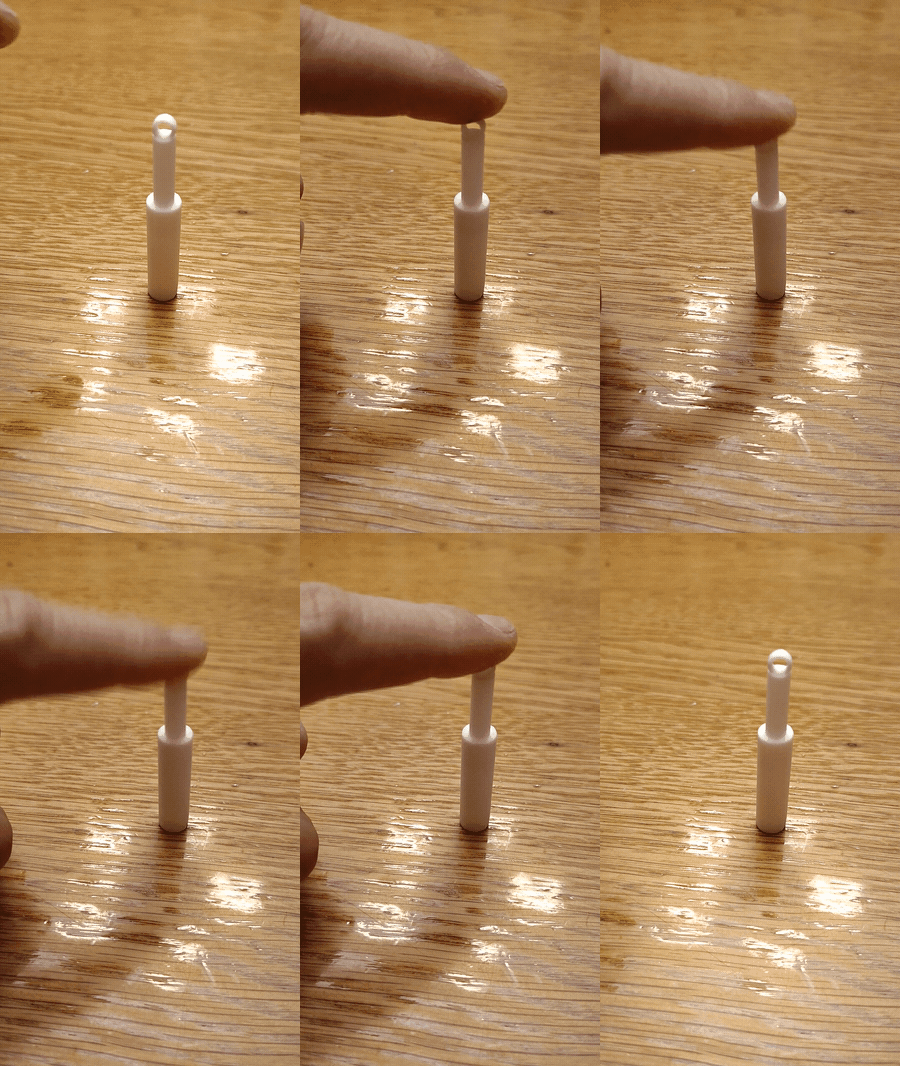

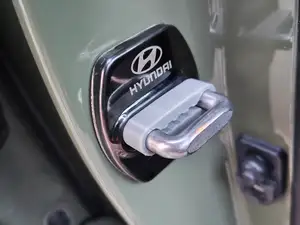




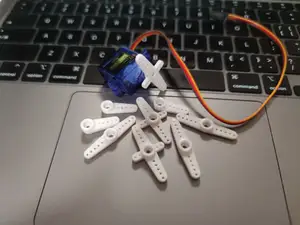
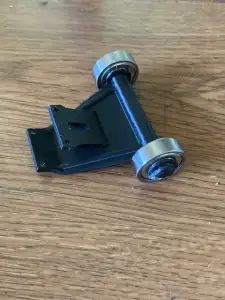

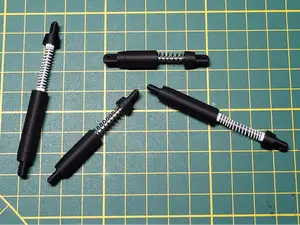
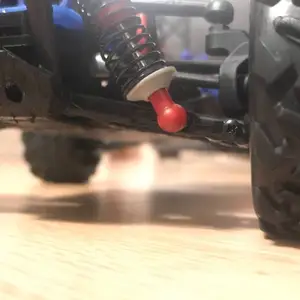

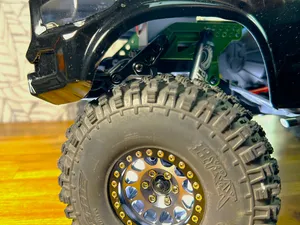


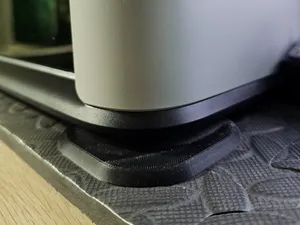
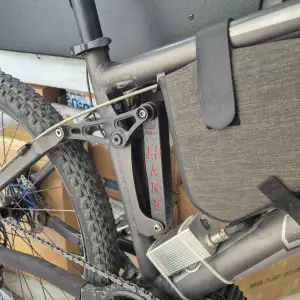

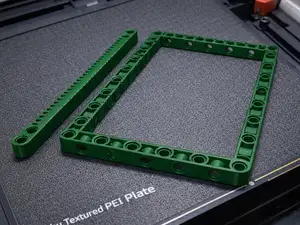
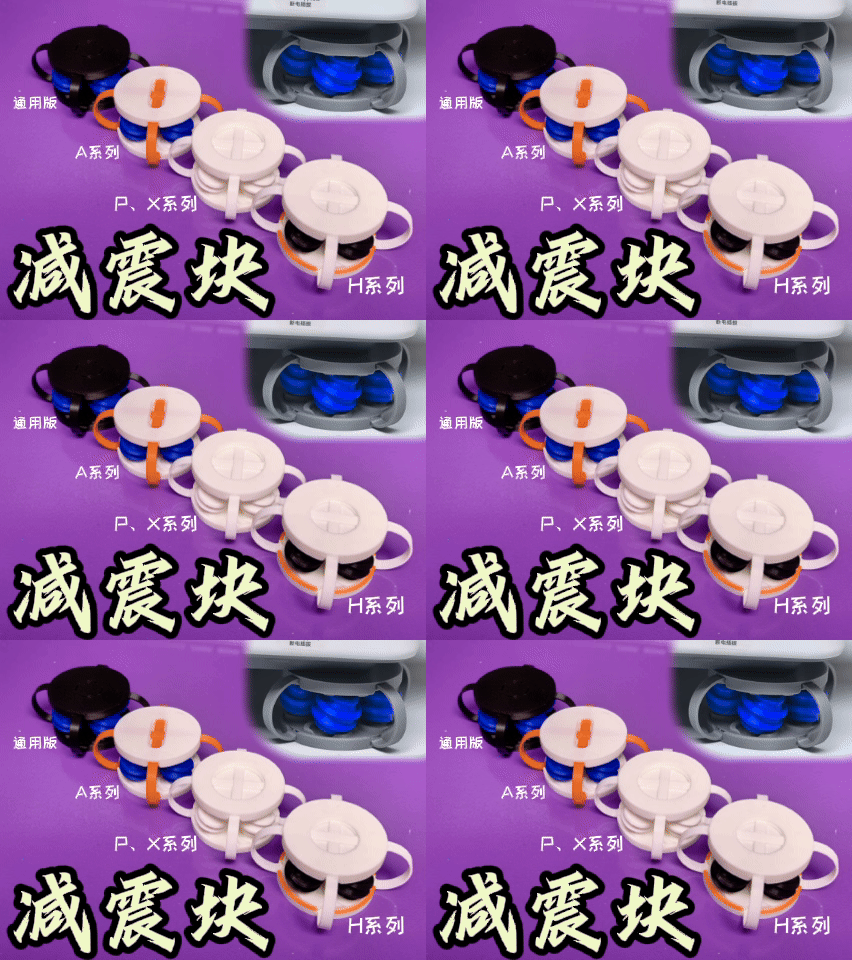
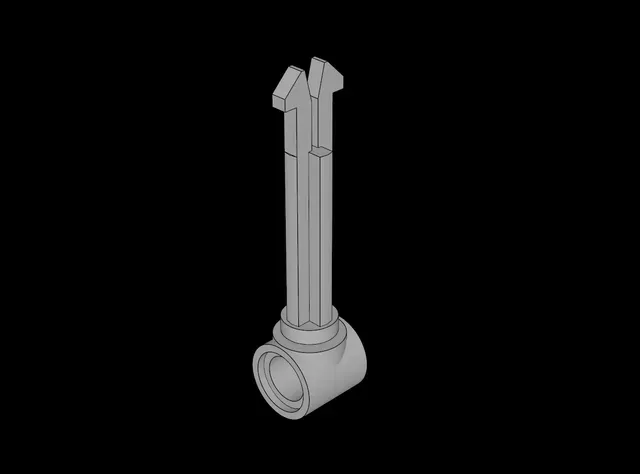
The models fall into a few groups. Brick-style dampers come as separate bodies, piston rods and springs in different lengths and stiffness, so a build can be tuned by swapping one element. RC-oriented files include complete dampers, repair kits and mounts for small cars, while coilover versions are often larger and used as display pieces or lamp parts. A smaller group covers rebuild stands, assembly jigs, keychains and protective covers.
Before printing, open the author's page and read the listed dimensions: overall length, bore, rod diameter and spring travel decide whether the part fits your build. Check how many parts the file contains and whether they are meant to be glued, screwed or snapped together, and look at the orientation notes, since tall thin rods and springs usually need supports or a different print direction. The material and settings the author lists, plus photos of real prints, tell you more than the preview render.
If the results feel narrow, try other wording: damper, coilover, spring, piston rod, suspension arm, or the scale you work in. Related topics such as RC car chassis parts, brick suspension sets, or rebuild jigs often lead to files that do not use the word shock absorber in the title. Searching by part function rather than by name usually widens the list.
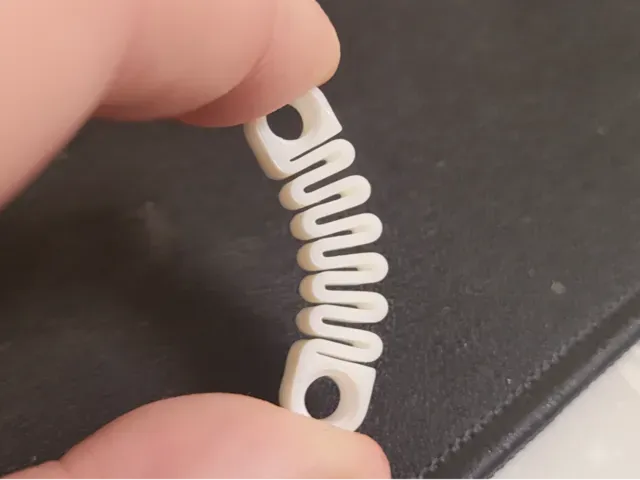
Springs deserve separate attention. A printed coil spring behaves differently from a metal one, and its stiffness depends on filament type, wall count and coil geometry, so the same file can feel soft or stiff depending on how it is sliced. If the model is a static replica, the spring is mostly visual and the choice matters less.



Der komplette Themenkatalog – von Wohnen & Haushalt bis CNC, mit Suche auf allen angebundenen Plattformen.