
Kostenlos 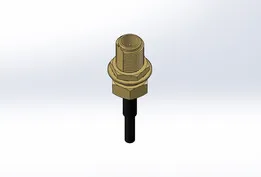
SMA Antenna Connector
GrabCAD
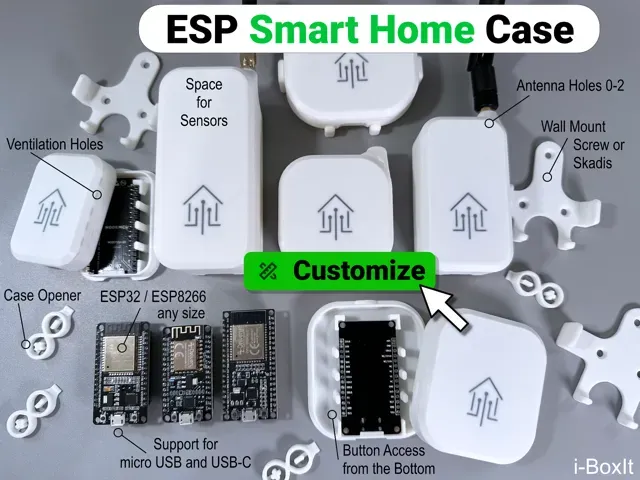
This collection gathers 3D models tied to antennas: directional beams, helical and QFH frames, connector mounts, and cases with openings for a radiator. Most of them are printed parts that support a build rather than a finished antenna, which makes them useful for 3D printing experiments at a chosen frequency band. Files range from a single bracket to multi-part assemblies that need measuring and assembly. Polyzon does not confirm whether models are free, their price, license, official status, affiliation, safety or fitness. Check the current terms at the source.
Der Text dieser Sammlung ist auf Englisch verfasst; die Suche selbst funktioniert in jeder Sprache.
 Eine Sammlung von Polyzon · 48 Modelle von 6 Plattformen
Polyzon stellt diese Sammlung aus den Suchergebnissen der angebundenen Plattformen zusammen. Dubletten und Modelle ohne Vorschaubild werden entfernt, schwache Treffer rutschen ans Ende, der Rest bleibt in der Reihenfolge der Suche. Die Modelle gehören ihren Urhebern – die Bedingungen findest du auf der Seite des jeweiligen Modells.
Auswahlregeln: Polyzon-Redaktion · Text aktualisiert: 12.10.2026
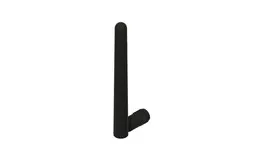


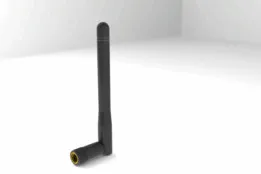

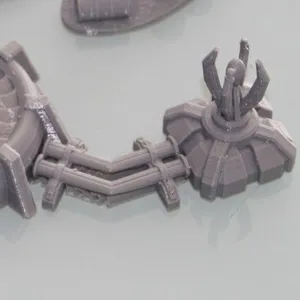



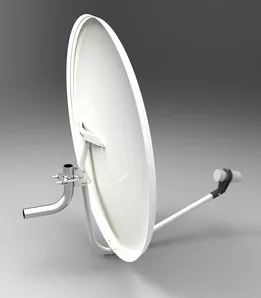

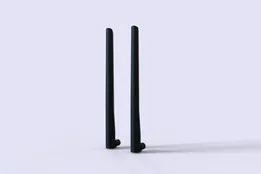
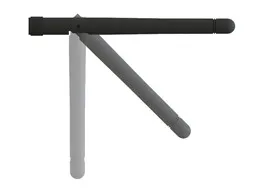

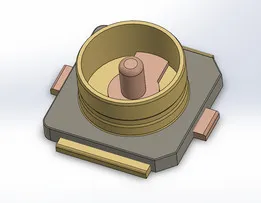

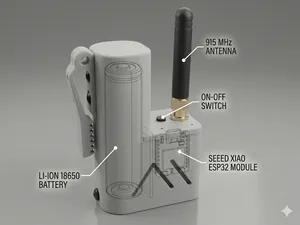

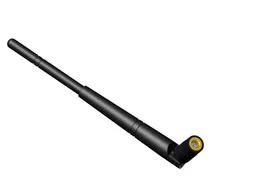
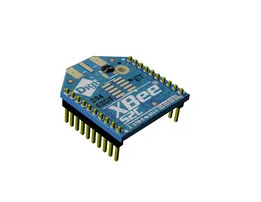


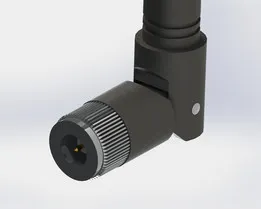

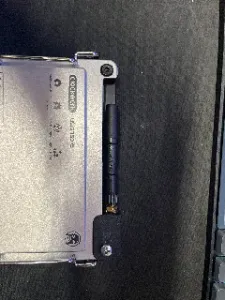

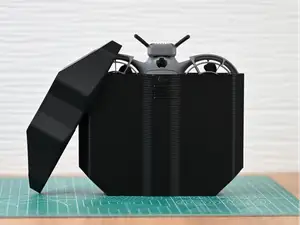

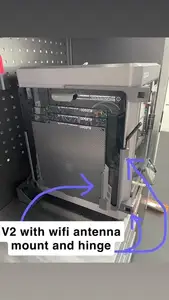


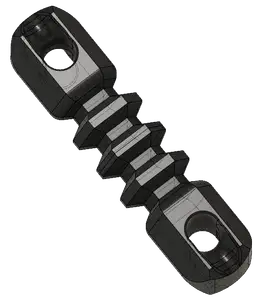
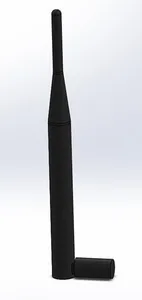


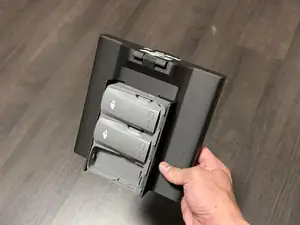


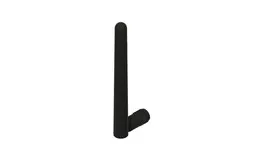
The models fall into a few groups. Directional designs such as Yagi, Moxon and biquad antennas are built from a boom and a set of elements, so they print as several parts and are sized around one band. Helical, helicone and QFH antennas appear as frames, winding templates or support structures, often for satellite or narrowband work. A third group covers the mechanical side: SMA and RP-SMA connector holders, receiver mounts, and enclosures with a cutout for the antenna.
When choosing a model, start with the frequency the design targets, because element length and spacing follow from it, and a scaled file no longer matches the intended band. Check whether the download is a complete antenna, a frame, or only a mount, and note the connector type and gender the part expects. Read the author's notes on material, wall thickness and settings, and look at photos of real prints to judge how the parts fit together and how the mount attaches.
To widen or narrow the search, try the names of specific designs and their abbreviations: Yagi, Moxon, biquad, helical, QFH, dipole, monopole. Add the band, such as 2.4 GHz or 433 MHz, or the connector, such as SMA, RP-SMA or N-type. Related terms like bracket, mast mount, radome, enclosure, winding jig and boom often surface parts that a plain antenna query misses.


Der komplette Themenkatalog – von Wohnen & Haushalt bis CNC, mit Suche auf allen angebundenen Plattformen.