
Kostenlos 
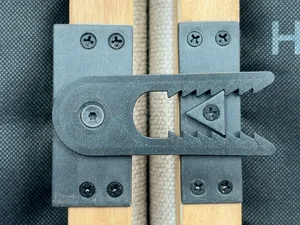
Quick Release Connector for 1" to 1" PVC Pipe
MakerWorld
This collection covers 3D-printable quick connectors: garden hose couplings, threaded adapters, airbrush fittings and small plugs for tubing or wiring. Most of these parts are small, so a 3D printer can produce them in one short session and they are easy to reprint if a thread or a fit turns out wrong. Each entry leads to the author's page, where dimensions and print settings are usually described. Polyzon does not confirm whether models are free, their price, license, official status, affiliation, safety or fitness. Check the current terms at the source.
Der Text dieser Sammlung ist auf Englisch verfasst; die Suche selbst funktioniert in jeder Sprache.
 Eine Sammlung von Polyzon · 48 Modelle von 6 Plattformen
Polyzon stellt diese Sammlung aus den Suchergebnissen der angebundenen Plattformen zusammen. Dubletten und Modelle ohne Vorschaubild werden entfernt, schwache Treffer rutschen ans Ende, der Rest bleibt in der Reihenfolge der Suche. Die Modelle gehören ihren Urhebern – die Bedingungen findest du auf der Seite des jeweiligen Modells.
Auswahlregeln: Polyzon-Redaktion · Text aktualisiert: 13.10.2026

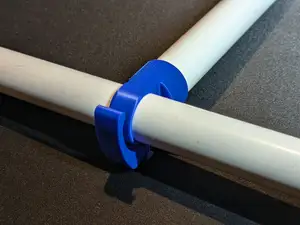
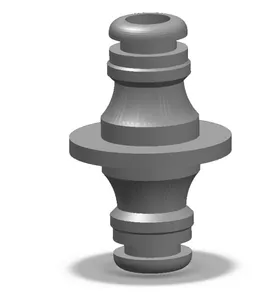


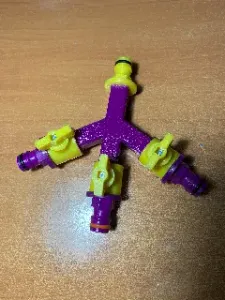


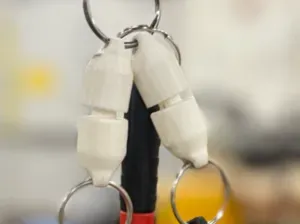
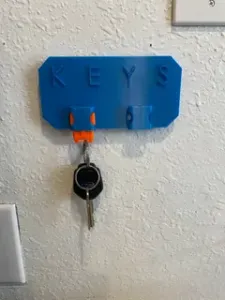
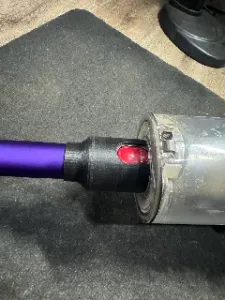

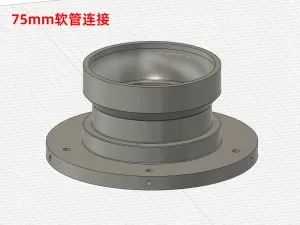
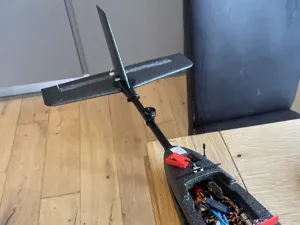
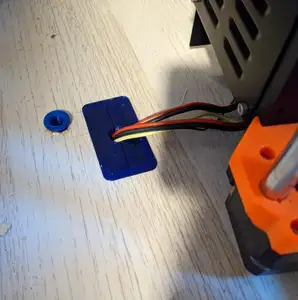
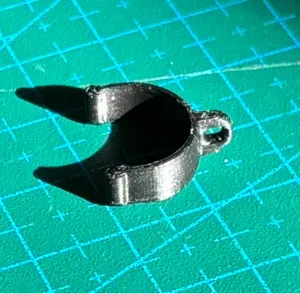


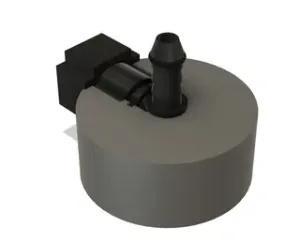
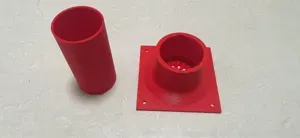


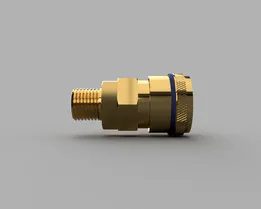


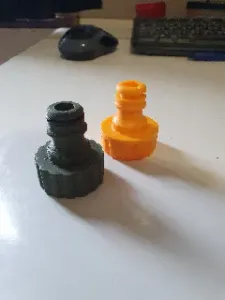

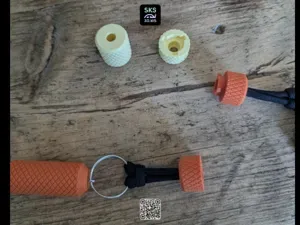

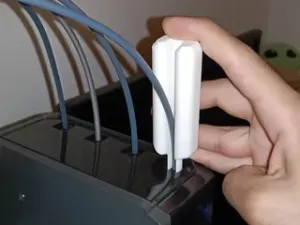


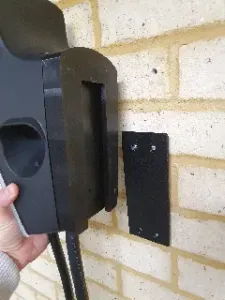
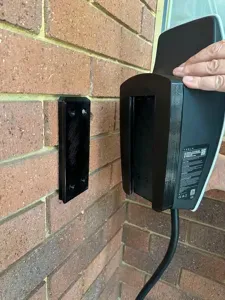
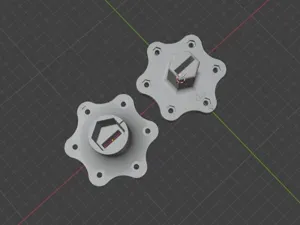
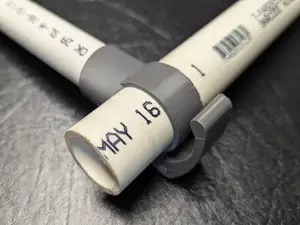
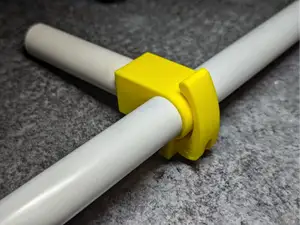
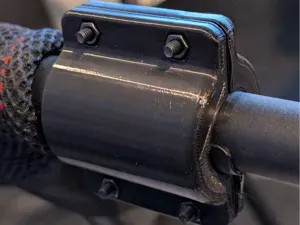
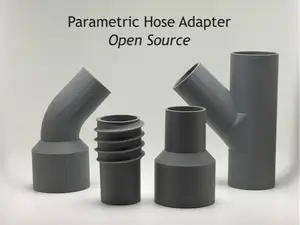
The parts differ mainly by what they join. Garden and water hose connectors work with common hose diameters and often come as male and female halves or as sets. Threaded adapters translate between a hose coupling and a thread standard such as BSP or a metric thread. Airbrush connectors are smaller and follow the thread used on airbrush bodies and hoses. Electrical and signal versions hold plugs, LED strip pins or tube fittings, while structural connectors join rods, panels or ducts.
When choosing a file, read the listed dimensions first: nominal thread, hose or tube diameter, and the overall length of the assembled pair. Check how many parts are in the set, whether they are meant to be glued, screwed or snapped together, and whether the author reports that supports are needed. Material and settings matter for parts under pressure or repeated handling, so look at the layer height, wall count and material the author used, and at photos of real prints to judge how the surfaces and threads came out.
To narrow the search, combine the type of connection with its size or thread: hose quick connector with a diameter, BSP adapter, airbrush fitting, tube connector, quick release for a specific plug. Related terms help as well, such as coupling, adapter, reducer, male and female, or the name of the system the part joins. If a result is close but not exact, look at the author's other models and at the tags on the page, which often point to matching halves and alternative sizes.



Der komplette Themenkatalog – von Wohnen & Haushalt bis CNC, mit Suche auf allen angebundenen Plattformen.