Spielzeug & Figuren

Chess Soldier 3D Models: STL Figures for a Set

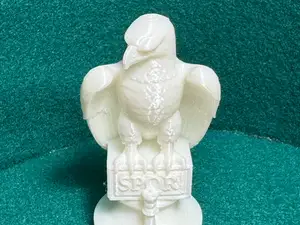
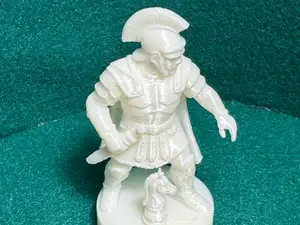
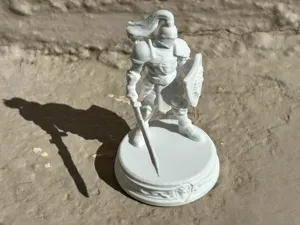
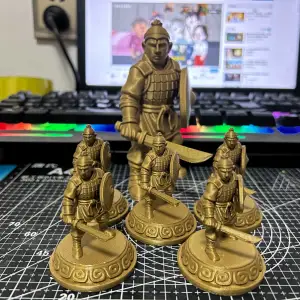
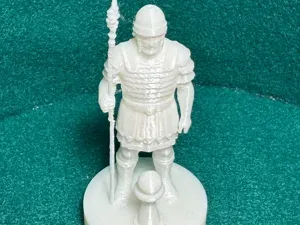
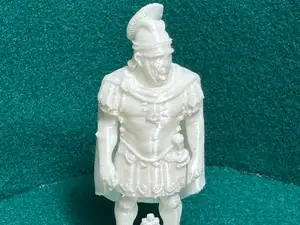
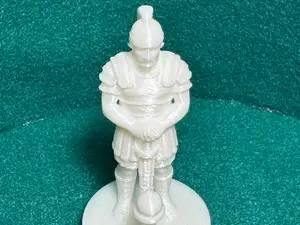
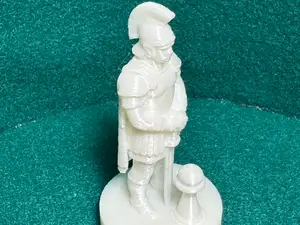
This collection gathers chess soldier 3D models, from single pawns to complete armies where each rank is a different figure. The pieces range from Roman and medieval soldiers to sci-fi and fantasy troops, so you can build a set in one style or mix ranks across themes. Files are prepared for 3D printing, and most listings show the scale, part count and settings the author used. Polyzon does not confirm whether models are free, their price, license, official status, affiliation, safety or fitness. Check the current terms at the source.

Der Text dieser Sammlung ist auf Englisch verfasst; die Suche selbst funktioniert in jeder Sprache.

So entsteht diese Sammlung

Polyzon stellt diese Sammlung aus den Suchergebnissen der angebundenen Plattformen zusammen. Dubletten und Modelle ohne Vorschaubild werden entfernt, schwache Treffer rutschen ans Ende, der Rest bleibt in der Reihenfolge der Suche. Die Modelle gehören ihren Urhebern – die Bedingungen findest du auf der Seite des jeweiligen Modells.

Auswahlregeln: Polyzon-Redaktion · Text aktualisiert: 11.10.2026

Sammlung

Für den Einstieg

Alle Modelle dieser Sammlung

Über die Kategorie

«Chess Soldier 3D Models: STL Figures for a Set»

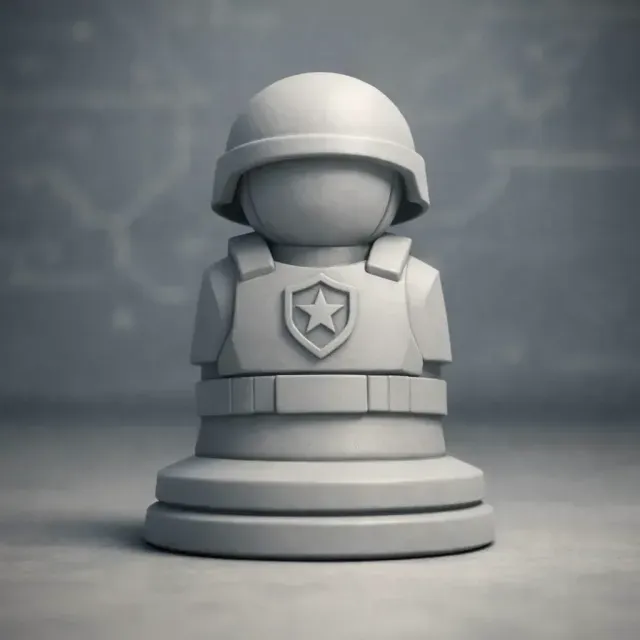
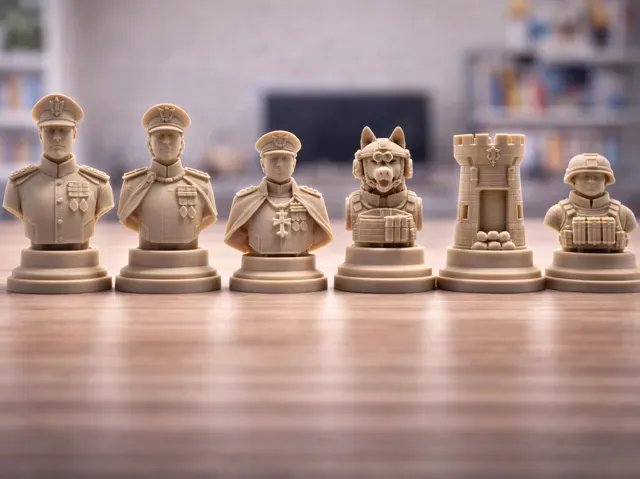
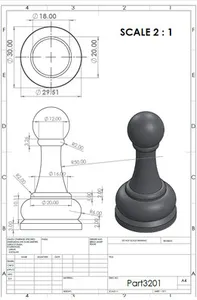
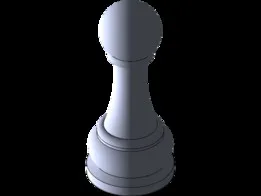
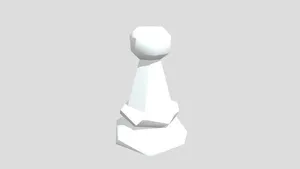
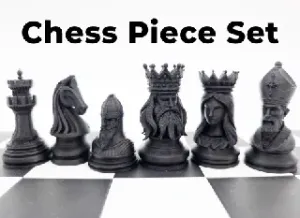
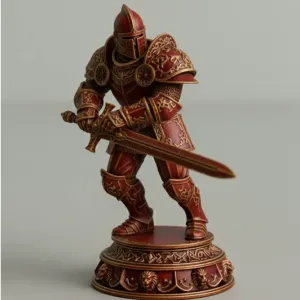
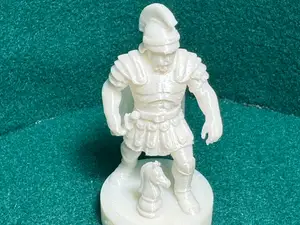
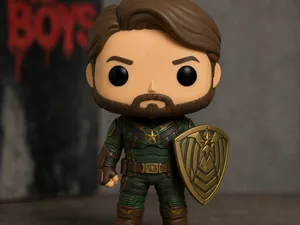
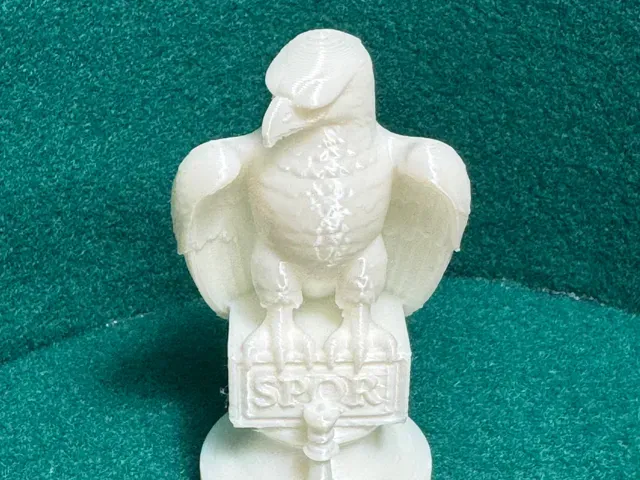
The most common approach maps a soldier type to each chess rank: a legionary or infantry figure stands in for the pawn, while officers, standard-bearers and commanders take the knight, bishop, rook, queen and king slots. Other sets go in a different direction, replacing historical troops with cyborgs, aliens or characters from games and films, often with a matching base for every piece. You will also find standalone soldier pawns meant to fill a gap in an existing set, and separate base models that let you give a mixed collection a consistent footprint.

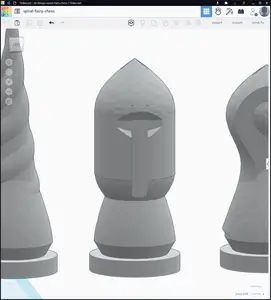
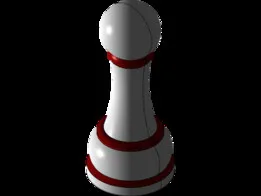
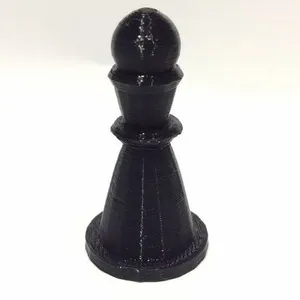
When choosing a piece, start with scale and base diameter, since the base has to sit inside the squares of your board without crowding the neighbouring pieces. Check how many parts a figure is split into, whether the author lists supports, and how thin the weapon shafts, plumes or banners are, as those are the areas that need the most attention during printing. Read the material and layer height the author mentions, and look at photos of real prints rather than only renders to judge surface detail and proportions.

To widen the search, try the rank names directly — pawn, knight, bishop, rook, queen, king — combined with soldier, legionary, centurion or guard. Related terms such as chess set, chess army, tabletop miniature and figure base bring up whole collections instead of single pieces, and adding a style word like Roman, medieval, fantasy or sci-fi narrows the results to one theme. If you are replacing one lost piece, searching by rank and scale is usually quicker than browsing full sets.

FAQ

Häufige Fragen

What scale are chess soldier models usually made in?
Authors list their own scale, and it varies between listings. Compare the stated base diameter with the square size of your board before printing, since chess pieces are sized to the board rather than to a fixed standard.
Do these figures need supports?
It depends on the pose and the parts. Raised weapons, banners and capes often need them, while simple standing pawns may not. The author's page usually states whether supports are required and where they were placed.
Can I mix pieces from different sets?
You can, but check base diameter and overall height so the ranks stay visually consistent. Using a shared base model is one way to keep a mixed set looking like one army.
What material works for chess pieces?
Many authors print them in resin for fine detail, while filament works for larger figures. Follow the material and settings listed on the model page, and test one piece before printing a full set.

Alle Kategorien für 3D-⁠Modelle

Der komplette Themenkatalog – von Wohnen & Haushalt bis CNC, mit Suche auf allen angebundenen Plattformen.

Zum Kategorienkatalog