Kostenlos 
Church
Thingiverse
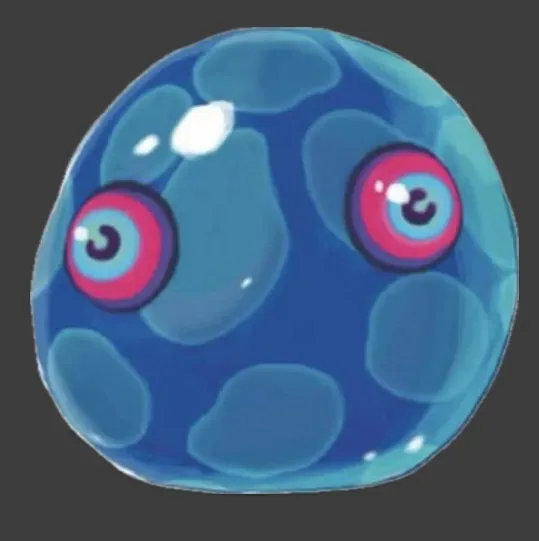
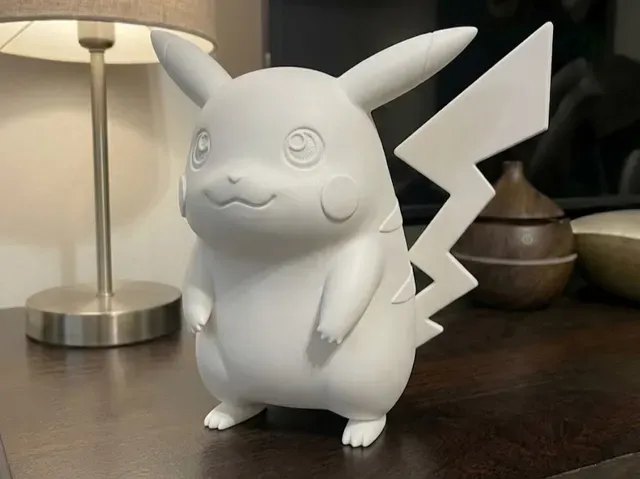
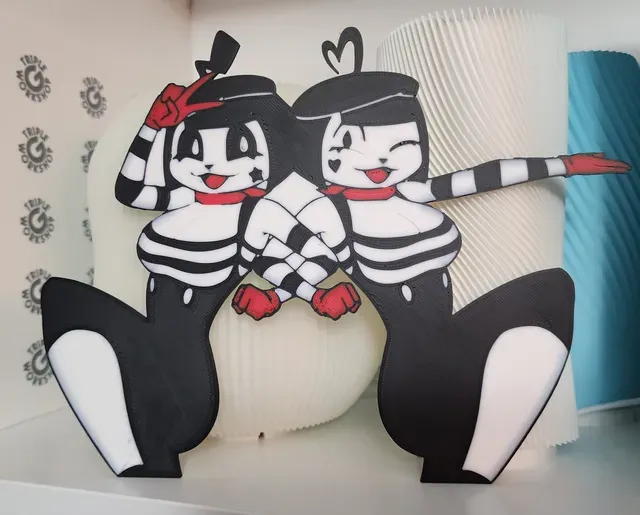
The term chuychu pulls together several unrelated strands: game-inspired figures, small keychains, tabletop miniatures and architectural models of churches. This collection gathers those STL files in one place so you can compare shapes and scales before opening a slicer. It helps most when you already know roughly what you want to print and need to narrow the field. Polyzon does not confirm whether models are free, their price, license, official status, affiliation, safety or fitness. Check the current terms at the source.
Der Text dieser Sammlung ist auf Englisch verfasst; die Suche selbst funktioniert in jeder Sprache.
 Eine Sammlung von Polyzon · 48 Modelle von 4 Plattformen
Polyzon stellt diese Sammlung aus den Suchergebnissen der angebundenen Plattformen zusammen. Dubletten und Modelle ohne Vorschaubild werden entfernt, schwache Treffer rutschen ans Ende, der Rest bleibt in der Reihenfolge der Suche. Die Modelle gehören ihren Urhebern – die Bedingungen findest du auf der Seite des jeweiligen Modells.
Auswahlregeln: Polyzon-Redaktion · Text aktualisiert: 15.10.2026
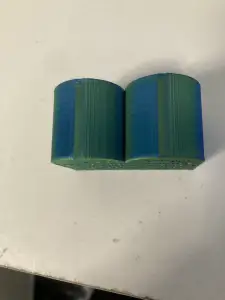


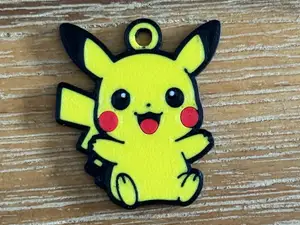
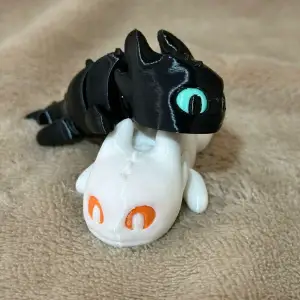


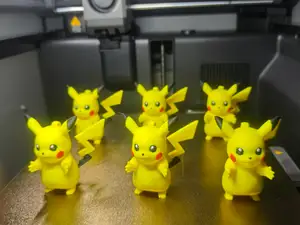




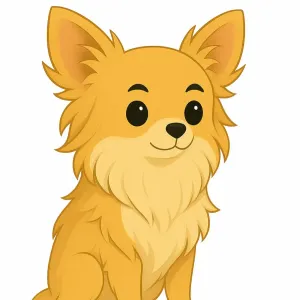

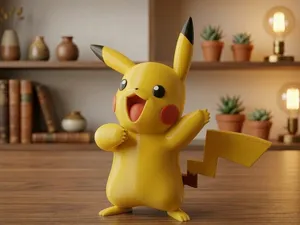
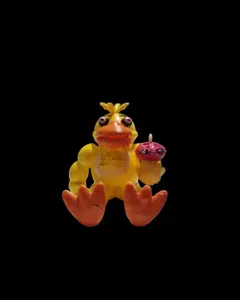

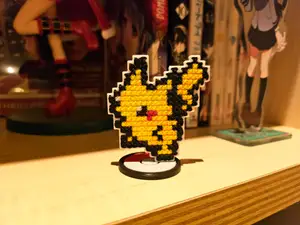
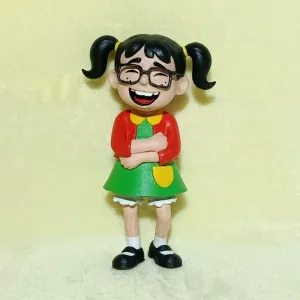

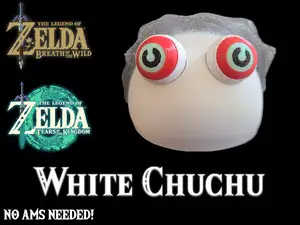
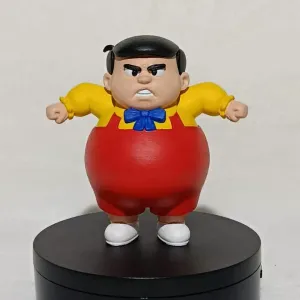

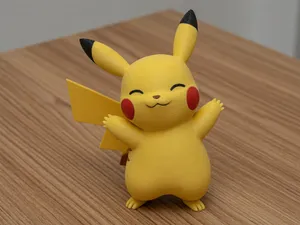


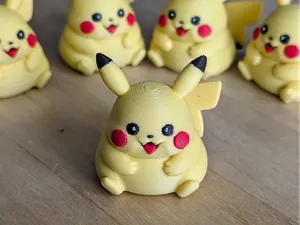
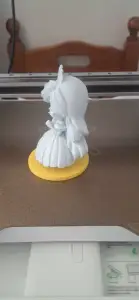

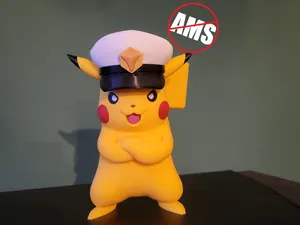
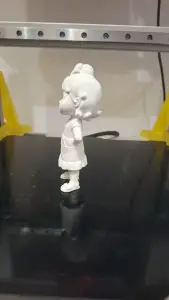

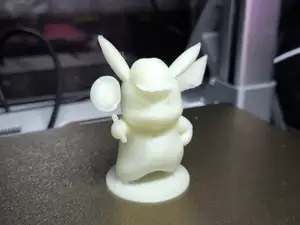
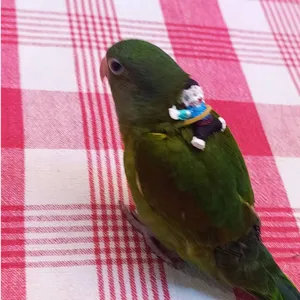

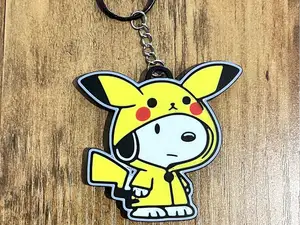


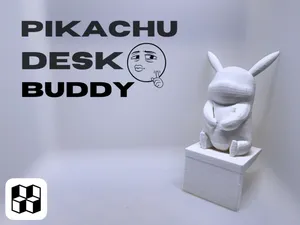
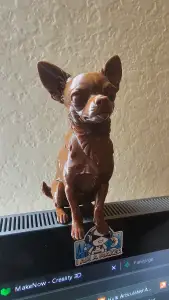

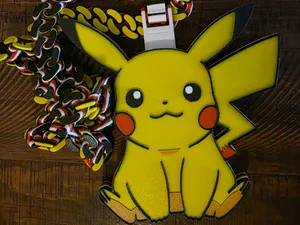
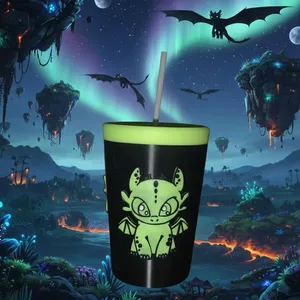

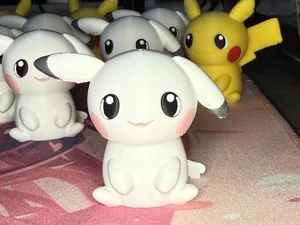
Most results fall into a few groups. Character figures based on games and animation dominate, often in a chunky or chibi style, and many of them reappear as keychain versions with a loop or hole built in. Alongside them sit tabletop miniatures on small bases and architectural models of churches and cathedrals, which are usually assembled from several flat or stacked parts. The groups differ mainly in scale, part count and whether the author designed them for a single-color or a multi-material print.
When you pick a model, open the author's page and read the listed dimensions first, since the same character can exist at keychain size and at display size. Check how many parts are in the file set and whether they need gluing or pins, and look at whether the geometry needs supports and where they would touch the surface. The material and settings the author lists, plus photos of real prints, tell you more about the result than the render does.
If the results feel too broad, search by the character or subject name instead of the collection term, and add words that describe the format you want, such as keychain, miniature, bust or diorama. Related terms like chibi, low poly, multicolor and AMS often surface variants of the same subject. Alternate spellings and translations of a name are worth trying too, because titles are written in different languages.



Der komplette Themenkatalog – von Wohnen & Haushalt bis CNC, mit Suche auf allen angebundenen Plattformen.