
Kostenlos 
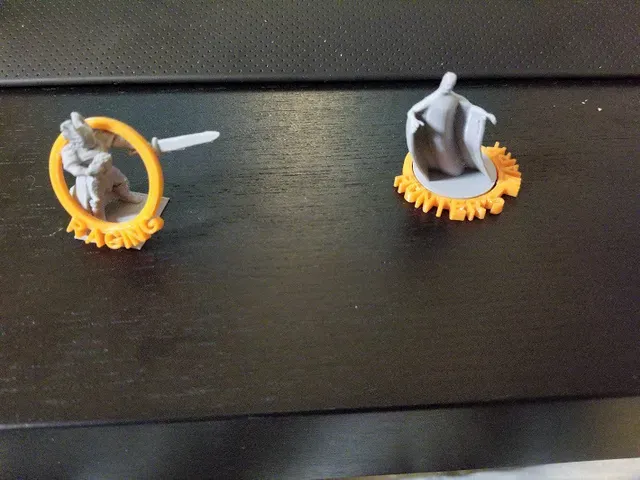
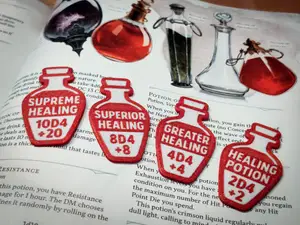
D&D Coins - Dungeons & Dragons - 5E Doublesided
Thingiverse
This collection gathers STL files made for Dungeons & Dragons 5e sessions: miniatures and monsters, terrain and bases, dice towers and storage, spell templates, condition markers and table tokens. It is useful when you want physical pieces for a 3D printer instead of flat paper markers. The mix covers both player-facing items and the scenery a dungeon master sets up. Polyzon does not confirm whether models are free, their price, license, official status, affiliation, safety or fitness. Check the current terms at the source.
Der Text dieser Sammlung ist auf Englisch verfasst; die Suche selbst funktioniert in jeder Sprache.
 Eine Sammlung von Polyzon · 46 Modelle von 4 Plattformen
Polyzon stellt diese Sammlung aus den Suchergebnissen der angebundenen Plattformen zusammen. Dubletten und Modelle ohne Vorschaubild werden entfernt, schwache Treffer rutschen ans Ende, der Rest bleibt in der Reihenfolge der Suche. Die Modelle gehören ihren Urhebern – die Bedingungen findest du auf der Seite des jeweiligen Modells.
Auswahlregeln: Polyzon-Redaktion · Text aktualisiert: 15.10.2026


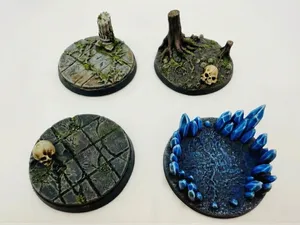


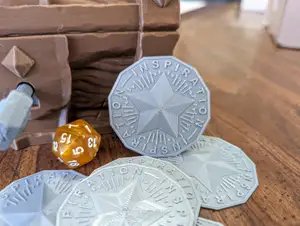


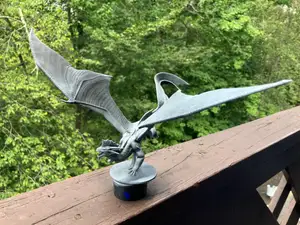

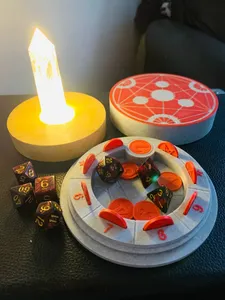
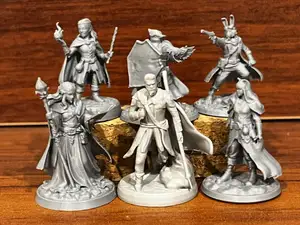




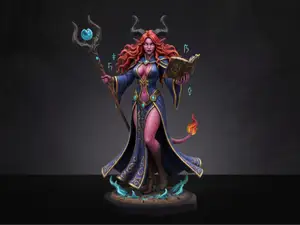






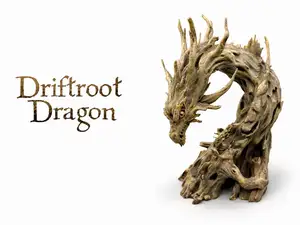




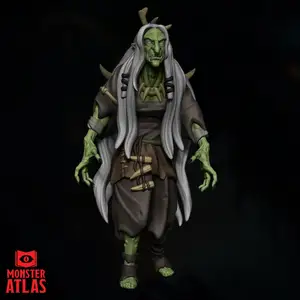
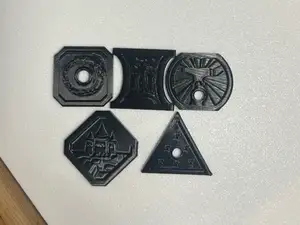
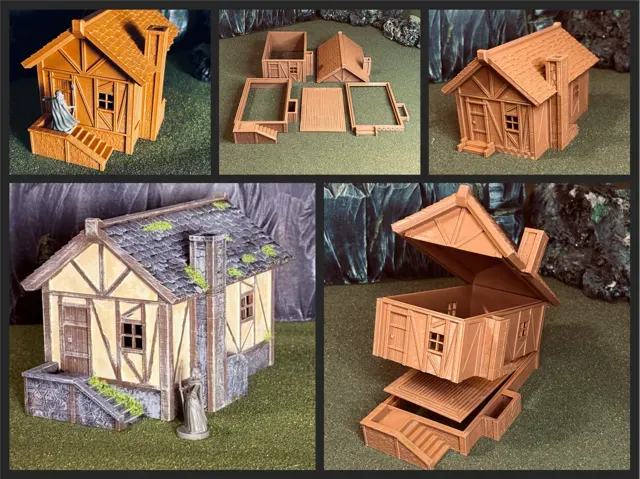
The largest group is figures. Many are scaled to 28mm or 32mm, and some authors also publish larger display versions of the same character. Monsters, player characters and NPCs sit alongside themed bases, so a miniature and its base are often separate files that have to be matched by diameter. Terrain follows a different logic: houses, walls and floor sections are usually designed to be combined into a layout, which means checking how the parts join before printing a full set.
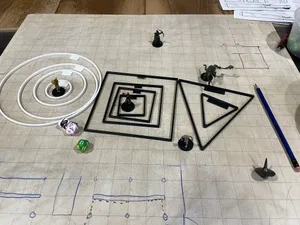
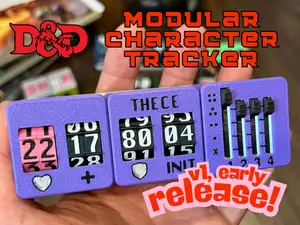
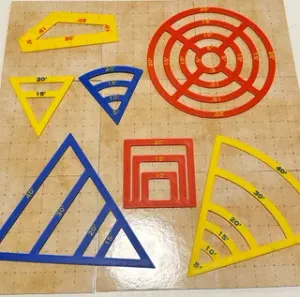
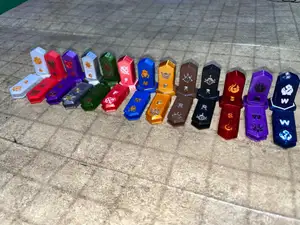
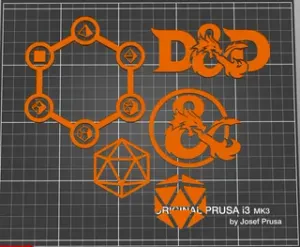
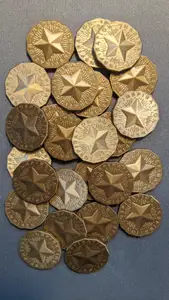
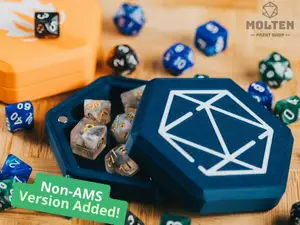
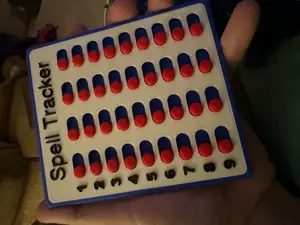
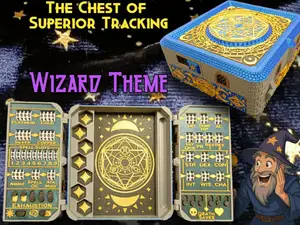
Table aids form the second group and are often the easiest starting point. Dice towers, trays, vaults and containers are printed in one or a few pieces, while condition rings, spell area templates and rulers are flat or low-profile and print quickly. Tokens, coins and character sheets are mostly about legibility: raised text, clear icons and a size that still reads from across the table.
When choosing a file, open the author's page and look at the listed scale, the number of parts, and whether the model needs supports or is split for printing without them. Check the material and settings the author names, since small figures and thin templates behave differently from bulky terrain. Photos of real prints show how the details survive at the chosen scale. To widen the search, try related terms such as tabletop miniature, 28mm fantasy, dungeon terrain, dice tower, spell template, condition marker or RPG token, and combine them with the scale or creature type you need.




Der komplette Themenkatalog – von Wohnen & Haushalt bis CNC, mit Suche auf allen angebundenen Plattformen.