Kostenlos 
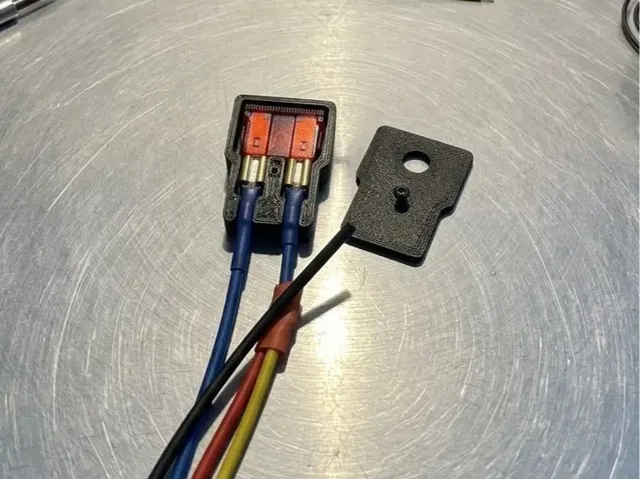
Short inline automotive blade fuse holder
Printables
This collection gathers 3D-printable fuse holders, from small inline bodies for blade fuses to panel-mount and cartridge versions. The models differ mainly in fuse size, mounting style and how the contacts are held. It is a useful starting point if you are repairing wiring or building an enclosure and want a holder that fits the space you have. Polyzon does not confirm whether models are free, their price, license, official status, affiliation, safety or fitness. Check the current terms at the source.
Der Text dieser Sammlung ist auf Englisch verfasst; die Suche selbst funktioniert in jeder Sprache.
 Eine Sammlung von Polyzon · 47 Modelle von 5 Plattformen
Polyzon stellt diese Sammlung aus den Suchergebnissen der angebundenen Plattformen zusammen. Dubletten und Modelle ohne Vorschaubild werden entfernt, schwache Treffer rutschen ans Ende, der Rest bleibt in der Reihenfolge der Suche. Die Modelle gehören ihren Urhebern – die Bedingungen findest du auf der Seite des jeweiligen Modells.
Auswahlregeln: Polyzon-Redaktion · Text aktualisiert: 10.10.2026

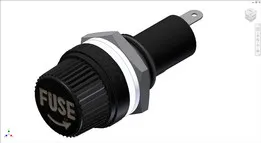
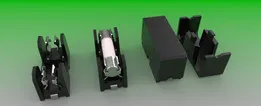
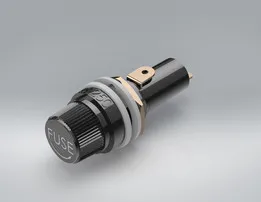

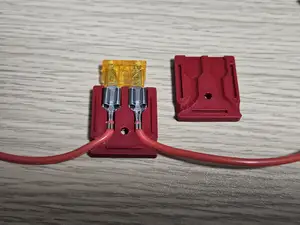
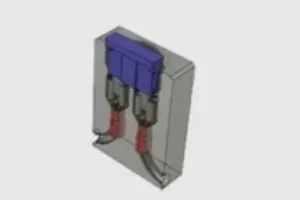
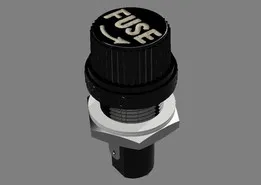




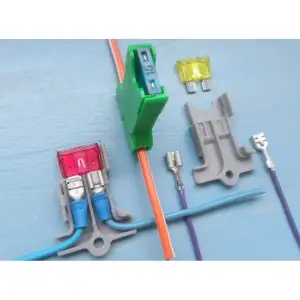
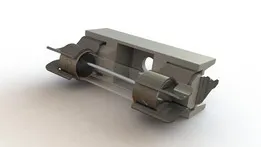


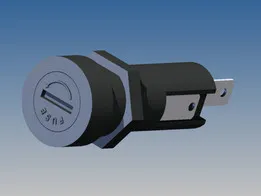

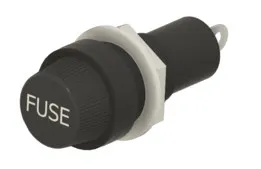
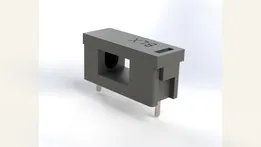


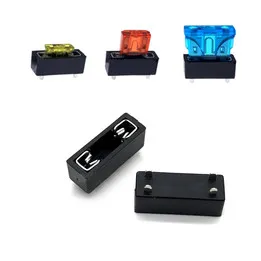
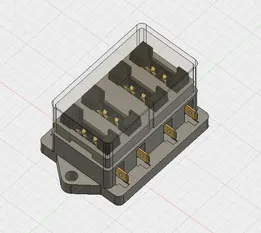
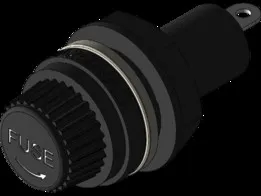

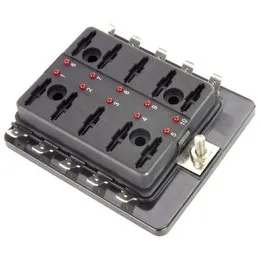
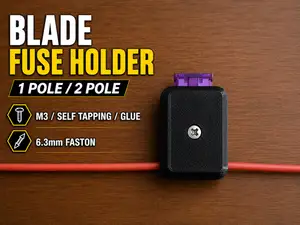

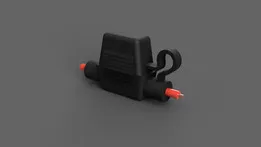

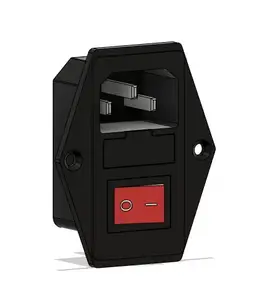

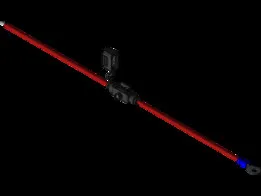
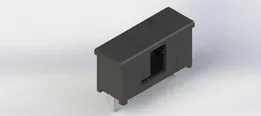
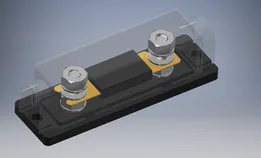
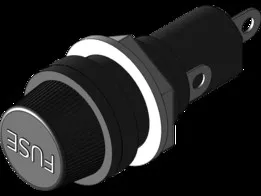
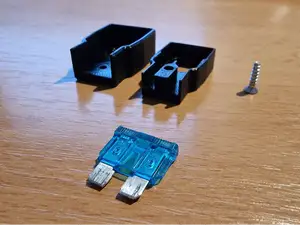
The range splits into a few clear groups. Inline holders sit inside a cable run and are usually printed as two halves or a tube with a lid. Panel and PCB versions have a flange or pins so they can be fixed to a surface or board, while cartridge holders are shaped around a specific glass fuse length and diameter. Multi-way and stackable designs hold several fuses side by side, and bolt-down types are sized for larger fuses used in heavier current paths.
Before printing, check the fuse dimensions rather than the name alone: a 20 mm cartridge and a blade fuse need very different internal clearances. Look at the author's page for wall thickness, the gap left for the metal clip or contact, and whether the model is split into parts that need assembly. Photos of real prints show how the lid closes and where fasteners go. Layer orientation matters too, since a holder printed flat can have weak layers where the fuse is pushed in.
Search results improve when you describe the fuse, not just the part. Try terms such as blade, ANL, 5x20, panel mount, PCB or inline, and add the size in millimetres where you know it. Related topics like fuse box, relay holder, battery terminal or wiring loom often surface designs that fit the same project. If a first search is thin, switch between the fuse standard name and the plain shape description.



Der komplette Themenkatalog – von Wohnen & Haushalt bis CNC, mit Suche auf allen angebundenen Plattformen.

