Kostenlos 
3D Printable Jet Engine
Thingiverse
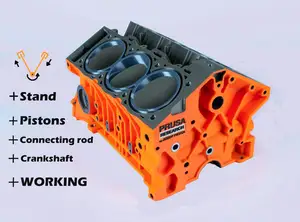
This collection gathers engine-themed files for 3D printing, from turbofan and turboprop replicas to V8 blocks, keychain fidgets and multi-part display models. It is useful if you want a mechanical subject that shows how pistons, rotors or crankshafts are arranged. Most listings are STL sets, so you can compare scale, part count and assembly before starting. Polyzon does not confirm whether models are free, their price, license, official status, affiliation, safety or fitness. Check the current terms at the source.
Der Text dieser Sammlung ist auf Englisch verfasst; die Suche selbst funktioniert in jeder Sprache.
 Eine Sammlung von Polyzon · 47 Modelle von 8 Plattformen
Polyzon stellt diese Sammlung aus den Suchergebnissen der angebundenen Plattformen zusammen. Dubletten und Modelle ohne Vorschaubild werden entfernt, schwache Treffer rutschen ans Ende, der Rest bleibt in der Reihenfolge der Suche. Die Modelle gehören ihren Urhebern – die Bedingungen findest du auf der Seite des jeweiligen Modells.
Auswahlregeln: Polyzon-Redaktion · Text aktualisiert: 13.10.2026

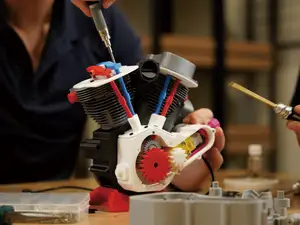
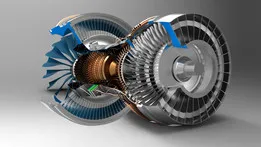
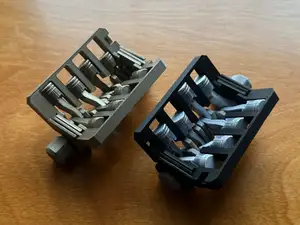
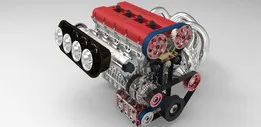

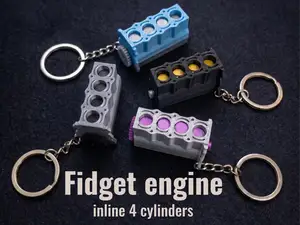
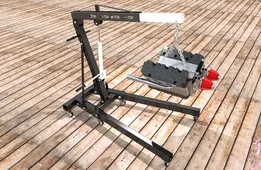
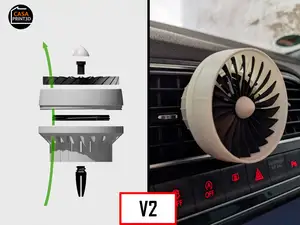
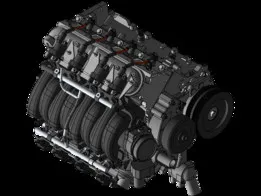
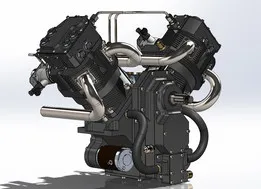
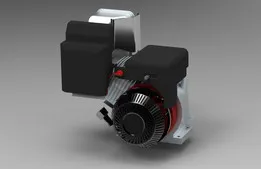

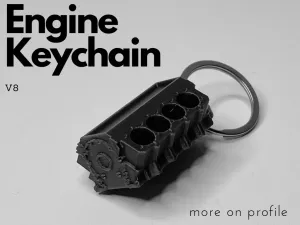


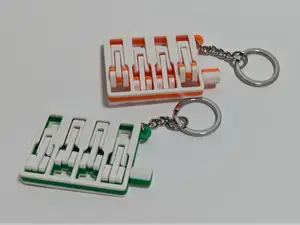
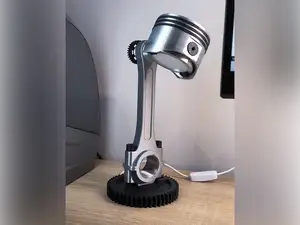
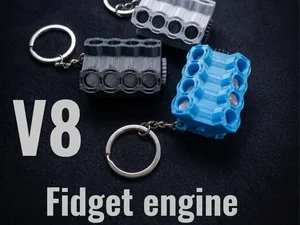

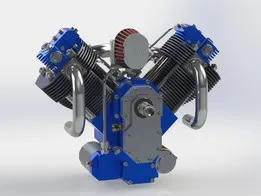

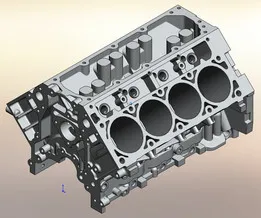

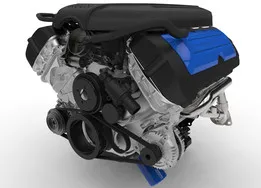


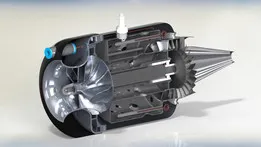


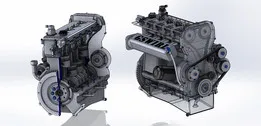


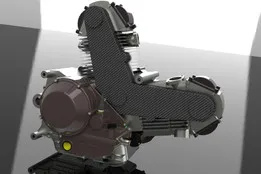

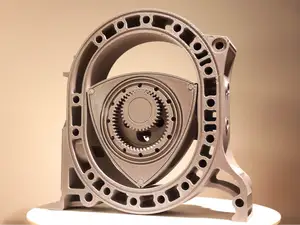

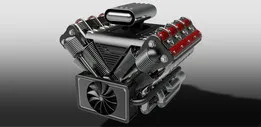

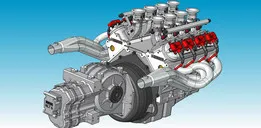
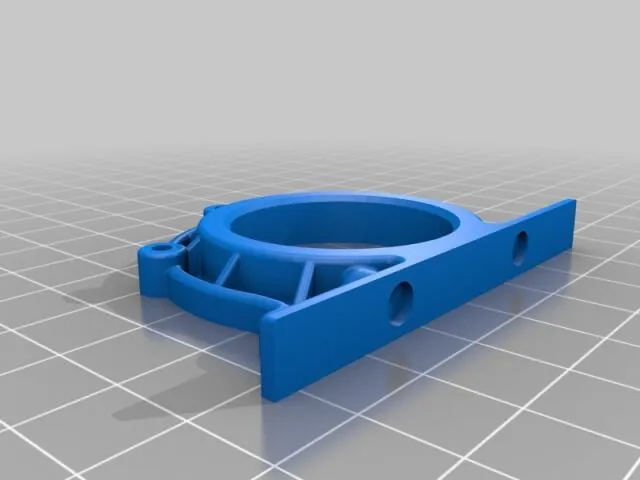
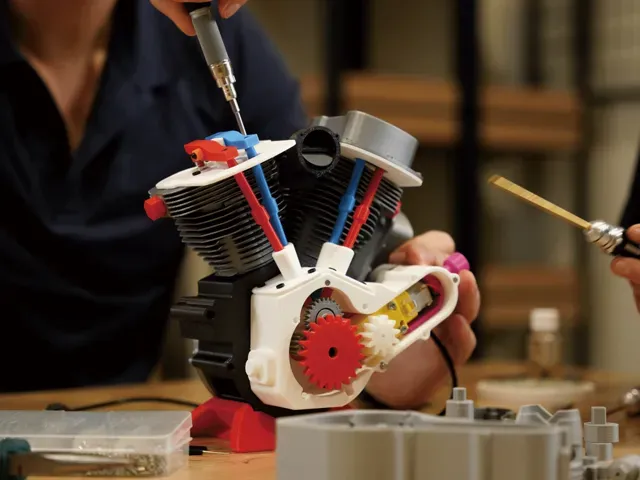
The topic splits into a few recognisable groups. Aircraft-style builds cover jet, turbofan and turboprop shapes, often as simplified cutaway or spinning display pieces. Automotive and motorcycle subjects focus on engine blocks and cylinder layouts, including V-configurations and inline designs. A third group is small: keychains, fidget toys and articulated engines where the moving parts are the point rather than the outer shape. There are also larger scale models of historical or industrial engines, plus a few functional prints such as engine cranes and vent-mounted diffusers.
When choosing a file, open the model page and read the details the author provides. Check the overall size and scale first, then the number of separate parts and how they join, since a multi-part block needs more assembly time than a single-piece shell. Look at whether supports are needed and how the model should be oriented on the build plate. The author usually lists the material and settings used, and photos of real prints show how the surfaces and clearances come out.
Search results widen quickly if you try related wording. Besides "engine", terms such as turbofan, turboprop, jet, V8, inline, radial, two-stroke and engine block lead to different families of files. Adding words like keychain, fidget, cutaway, display or scale narrows the list, while component terms such as piston, crankshaft, cylinder head or gearbox bring up models that only partly match the topic. Combining a subject word with a printing word, for example engine STL or engine 3D model, keeps the results close to what you want.



Der komplette Themenkatalog – von Wohnen & Haushalt bis CNC, mit Suche auf allen angebundenen Plattformen.