
Kostenlos 
Catan Brick Variants For Dakanzla 2.0 Magnetic Base Set
Thingiverse
This collection gathers 3D models built around ears of wheat: standing ornaments, wall pieces, keychains and game tiles. Most of them are simple shapes that print well on a desktop 3D printer and work as decoration or as parts of a larger set. Because the files come from different sources, the model page is where you find the details that matter for 3D printing. Polyzon does not confirm whether models are free, their price, license, official status, affiliation, safety or fitness. Check the current terms at the source.
Der Text dieser Sammlung ist auf Englisch verfasst; die Suche selbst funktioniert in jeder Sprache.
 Eine Sammlung von Polyzon · 48 Modelle von 3 Plattformen
Polyzon stellt diese Sammlung aus den Suchergebnissen der angebundenen Plattformen zusammen. Dubletten und Modelle ohne Vorschaubild werden entfernt, schwache Treffer rutschen ans Ende, der Rest bleibt in der Reihenfolge der Suche. Die Modelle gehören ihren Urhebern – die Bedingungen findest du auf der Seite des jeweiligen Modells.
Auswahlregeln: Polyzon-Redaktion · Text aktualisiert: 13.10.2026







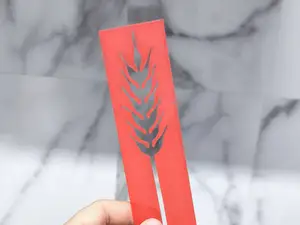





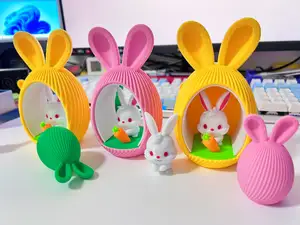


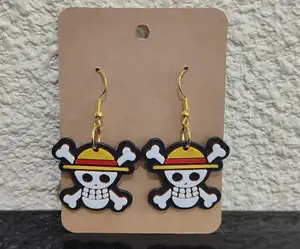


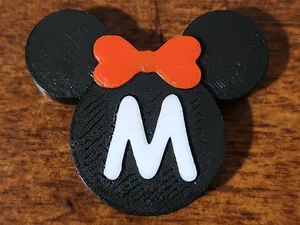





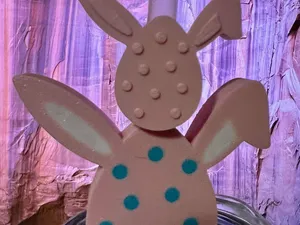





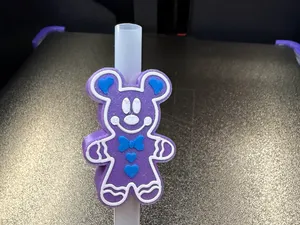


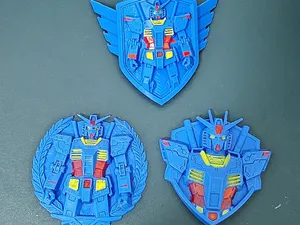




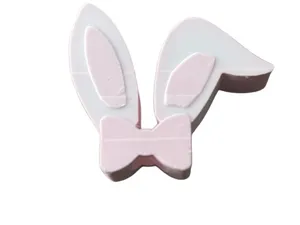

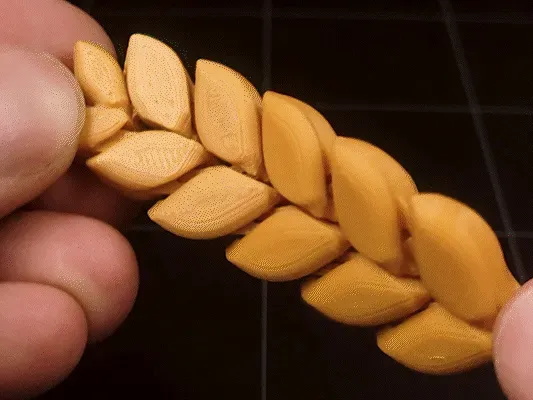
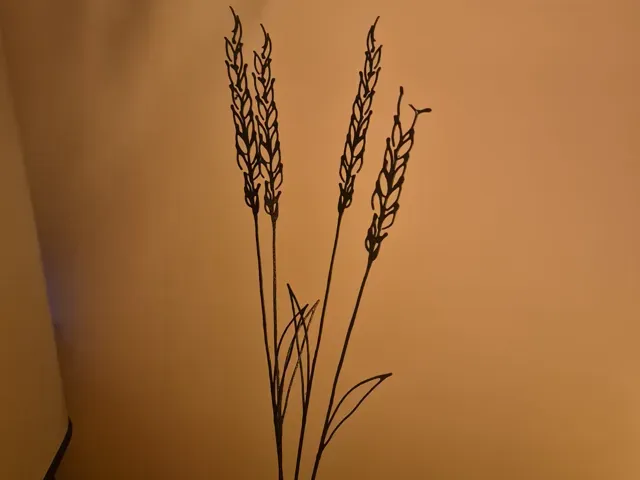
The models fall into a few groups. Decorative figures and ornaments are usually single stalks or small bundles, sometimes with a base or a ring so they can stand or hang. Wall art versions are flat or relief panels meant to be framed or mounted. Smaller items such as keychains and nestable boxes scale the same shape down, while game tiles and tokens use wheat as a resource symbol inside a larger board set. Ear-shaped accessories follow a different logic: they are worn or clipped onto something rather than displayed.
When choosing a file, open the author's page and read what is listed there. Check the size and scale, since a wheat stalk can be a few centimetres or a full shelf piece, and decide whether you need to resize it. Look at the number of parts and whether assembly or glue is involved, whether supports are needed, and which material and settings the author used. Photos of real prints are the most useful signal for how thin stems, awns and small grains come out on an FDM printer.
If the results feel narrow, try related wording. Searches for grain, cereal, harvest, stalk or spike often surface models that a wheat query misses, and terms like kitchen decor, autumn arrangement or farmhouse display reach the same objects from another angle. For game pieces, combining the crop name with tile, token or resource widens the set. Adding a printing-related word such as keychain, ornament, wall art or miniature helps separate display items from functional parts.




Der komplette Themenkatalog – von Wohnen & Haushalt bis CNC, mit Suche auf allen angebundenen Plattformen.