
Kostenlos 
CARP FISHING - Boilies Crusher / Broyeur à Bouillettes
Thingiverse
This collection gathers 3D-printable tools and accessories built around boilie making and carp bait preparation. It covers rollers, presses, cutters, stoppers and a few decorative fishing pieces. If you already mix your own bait, these STL files let you reproduce a tool in the diameter you actually use. Polyzon does not confirm whether models are free, their price, license, official status, affiliation, safety or fitness. Check the current terms at the source.
Der Text dieser Sammlung ist auf Englisch verfasst; die Suche selbst funktioniert in jeder Sprache.
 Eine Sammlung von Polyzon · 48 Modelle von 4 Plattformen
Polyzon stellt diese Sammlung aus den Suchergebnissen der angebundenen Plattformen zusammen. Dubletten und Modelle ohne Vorschaubild werden entfernt, schwache Treffer rutschen ans Ende, der Rest bleibt in der Reihenfolge der Suche. Die Modelle gehören ihren Urhebern – die Bedingungen findest du auf der Seite des jeweiligen Modells.
Auswahlregeln: Polyzon-Redaktion · Text aktualisiert: 14.10.2026


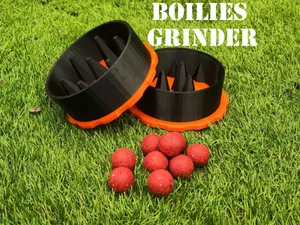


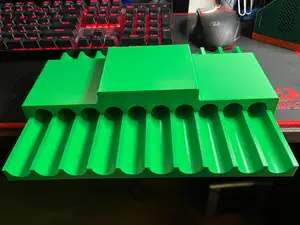


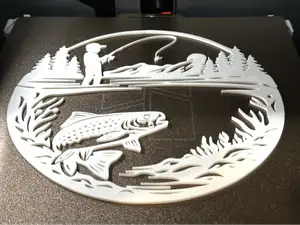


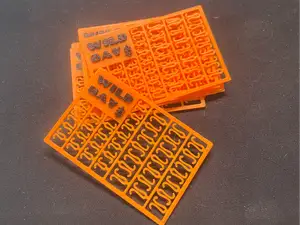


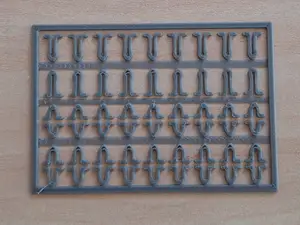


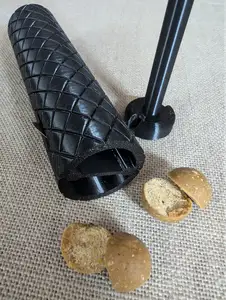


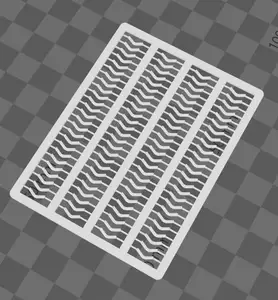


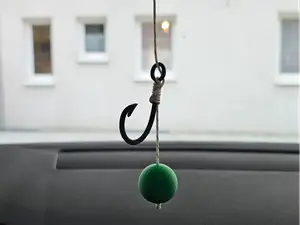


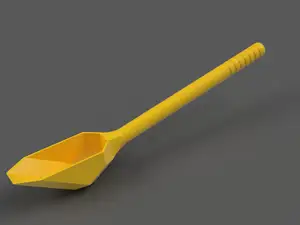


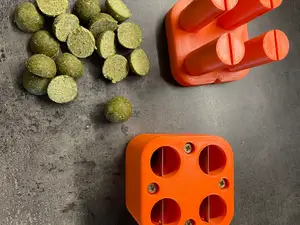


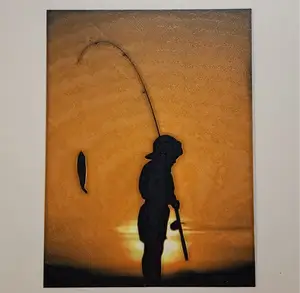


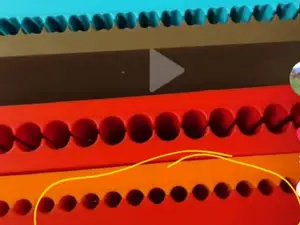


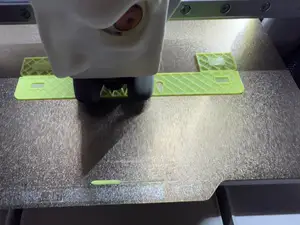
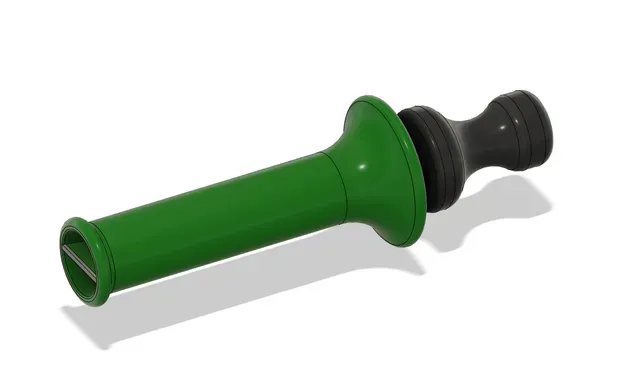
The models fall into a few practical groups. Rollers and rolling boards shape bait into round balls, usually in one fixed diameter per file or as a board with several channels. Presses and makers form bait under pressure, and some include interchangeable inserts for different sizes. Cutters and grinders break down finished boilies or pellets, while stoppers and bait stops are small parts that hold bait on the hair. A separate group is decorative: figures and wall art with a fishing theme rather than a job at the bank.
Before printing, open the author's model page and read what is listed there. Check the stated diameter or size range, how many parts the tool has and how they join, whether the geometry needs supports, and which material and settings the author used. Photos of real prints show how the finished surface looks and whether the parts fit together as intended. For anything that touches bait, the material choice matters more than the shape, so follow the author's own notes.
Search results for this topic are narrow, so it helps to try several wordings. Alongside "boilie" you can search for "boilies", "carp bait", "groundbait" or "pellet", and for tools try "roller", "rolling table", "press", "cutter", "grinder" and "stopper". Related areas such as carp rigs, baiting tools, tackle boxes and fishing-themed decoration often turn up models that fit the same session. Adding a diameter to the query, for example a roller size, narrows the list further.



Der komplette Themenkatalog – von Wohnen & Haushalt bis CNC, mit Suche auf allen angebundenen Plattformen.