
Kostenlos 
Self Watering Plant Reservoir - Vacation Wick
MakerWorld
This collection gathers 3D models built around wick watering: boxes and pots where a strip of fabric or cord pulls moisture from a lower reservoir up into the soil. The range covers full planter bodies, separate reservoirs, stands and small parts that hold the wick in place. It is useful if you want to print a plant container in one go or adapt an existing one for slow watering. Polyzon does not confirm whether models are free, their price, license, official status, affiliation, safety or fitness. Check the current terms at the source.
Der Text dieser Sammlung ist auf Englisch verfasst; die Suche selbst funktioniert in jeder Sprache.
 Eine Sammlung von Polyzon · 48 Modelle von 5 Plattformen
Polyzon stellt diese Sammlung aus den Suchergebnissen der angebundenen Plattformen zusammen. Dubletten und Modelle ohne Vorschaubild werden entfernt, schwache Treffer rutschen ans Ende, der Rest bleibt in der Reihenfolge der Suche. Die Modelle gehören ihren Urhebern – die Bedingungen findest du auf der Seite des jeweiligen Modells.
Auswahlregeln: Polyzon-Redaktion · Text aktualisiert: 11.10.2026

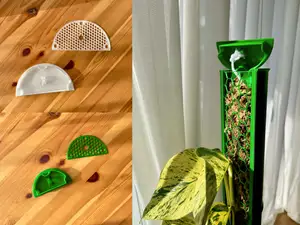
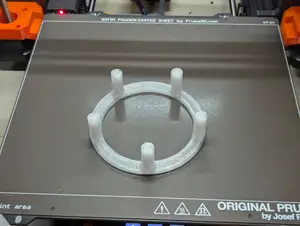
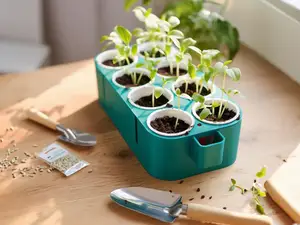
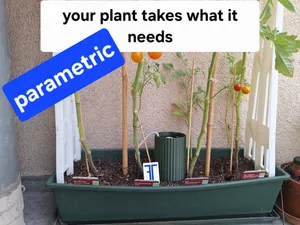

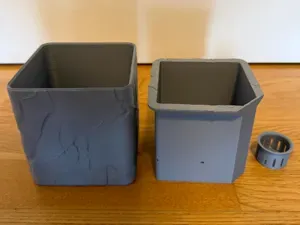
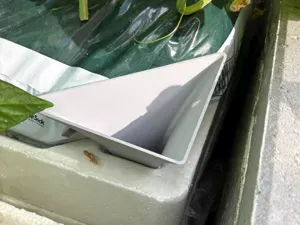


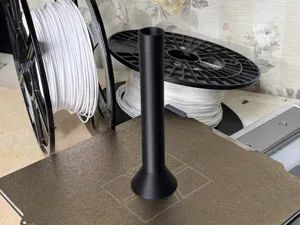
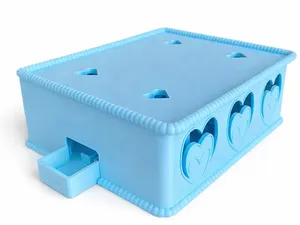

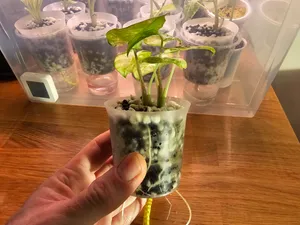




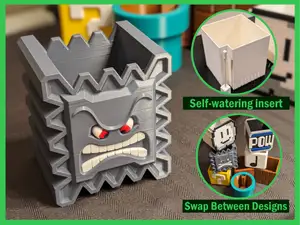

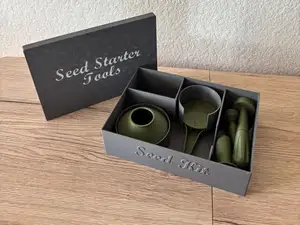


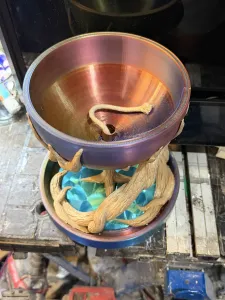
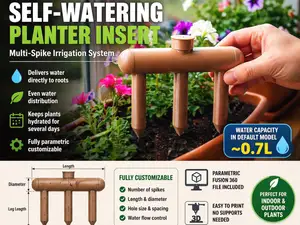




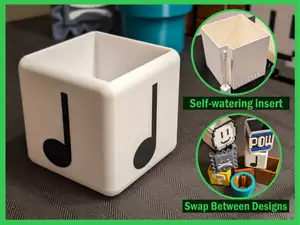


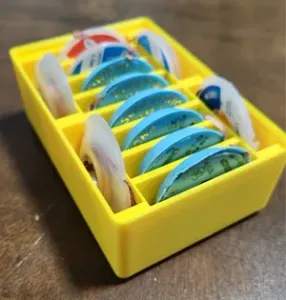
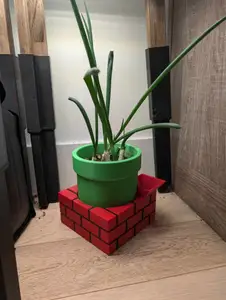
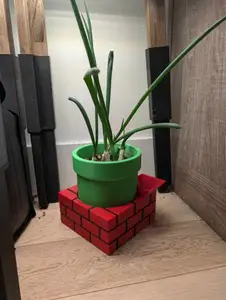

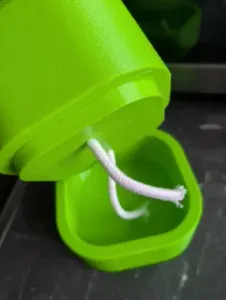

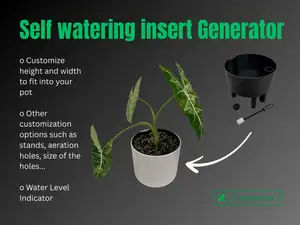

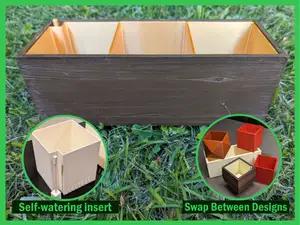
The models fall into a few groups. There are complete self-watering planters, where the pot and the water tank are printed as one object or as a body plus a tray. There are separate reservoirs and tower-like stands that sit under a pot and feed it through a wick. Smaller items include propagation cups, moss poles with a wick channel, and spikes or replacement wick holders that fit into an existing container. Hydroponic wick setups for jars and passive stands follow the same idea with a different geometry.
When choosing a model, look at the volume of the reservoir relative to the pot, since that decides how long the plant can go between refills. Check the number of parts and how they join, whether the wick passes through a printed channel or a drilled hole, and whether the author lists a wall thickness that keeps water inside. On the model page, read the material and settings the author mentions, and look at photos of real prints to judge how the wick channel and the seams come out.
The way the wick is routed matters as much as the shape: a channel that is too tight can pinch the cord, and one that is too loose lets water bypass the soil. Think about the pot diameter and height you need before downloading, because scaling a planter changes the fit between body, tray and wick opening. To find more options, try related wording such as passive watering planter, capillary watering pot, water reservoir insert, wicking stand, or wick holder, and combine those with the plant type or container size you have in mind.



Der komplette Themenkatalog – von Wohnen & Haushalt bis CNC, mit Suche auf allen angebundenen Plattformen.