
Kostenlos 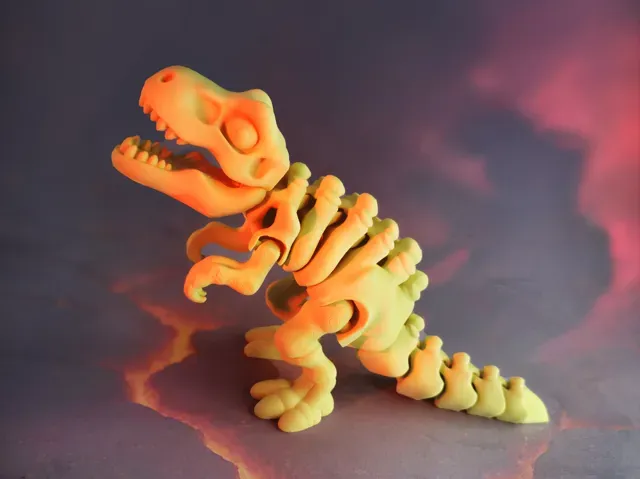
Flexi Skeleton T-Rex Dinosaur
MakerWorld
This collection gathers flexi models — figures whose parts are linked so the whole piece moves after printing. It covers articulated animals, dragons, snakes and small charms, all made for 3D printing. Use it to compare how different authors solve the same idea of a moving STL figure. Polyzon does not confirm whether models are free, their price, license, official status, affiliation, safety or fitness. Check the current terms at the source.
Der Text dieser Sammlung ist auf Englisch verfasst; die Suche selbst funktioniert in jeder Sprache.
 Eine Sammlung von Polyzon · 48 Modelle von 5 Plattformen
Polyzon stellt diese Sammlung aus den Suchergebnissen der angebundenen Plattformen zusammen. Dubletten und Modelle ohne Vorschaubild werden entfernt, schwache Treffer rutschen ans Ende, der Rest bleibt in der Reihenfolge der Suche. Die Modelle gehören ihren Urhebern – die Bedingungen findest du auf der Seite des jeweiligen Modells.
Auswahlregeln: Polyzon-Redaktion · Text aktualisiert: 14.10.2026


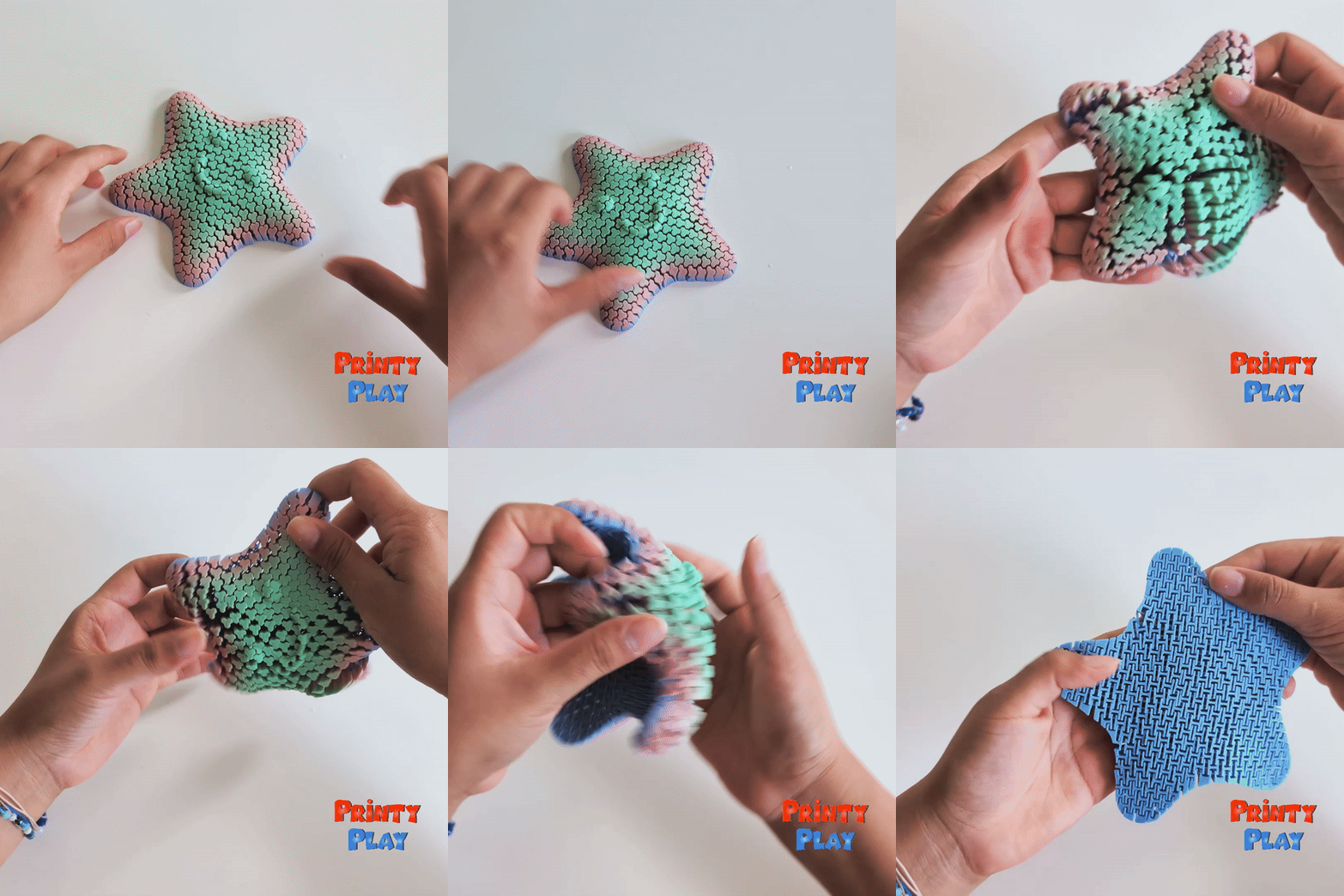
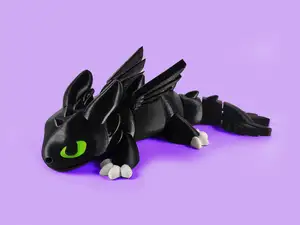
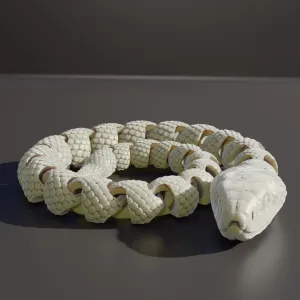

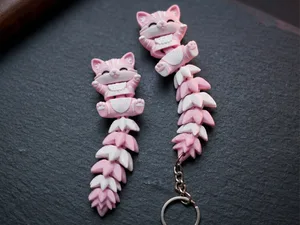
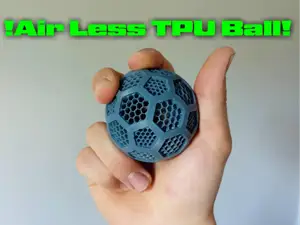
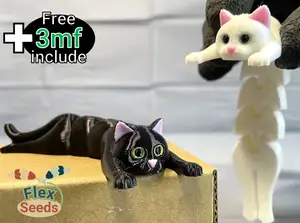
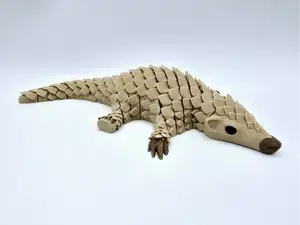


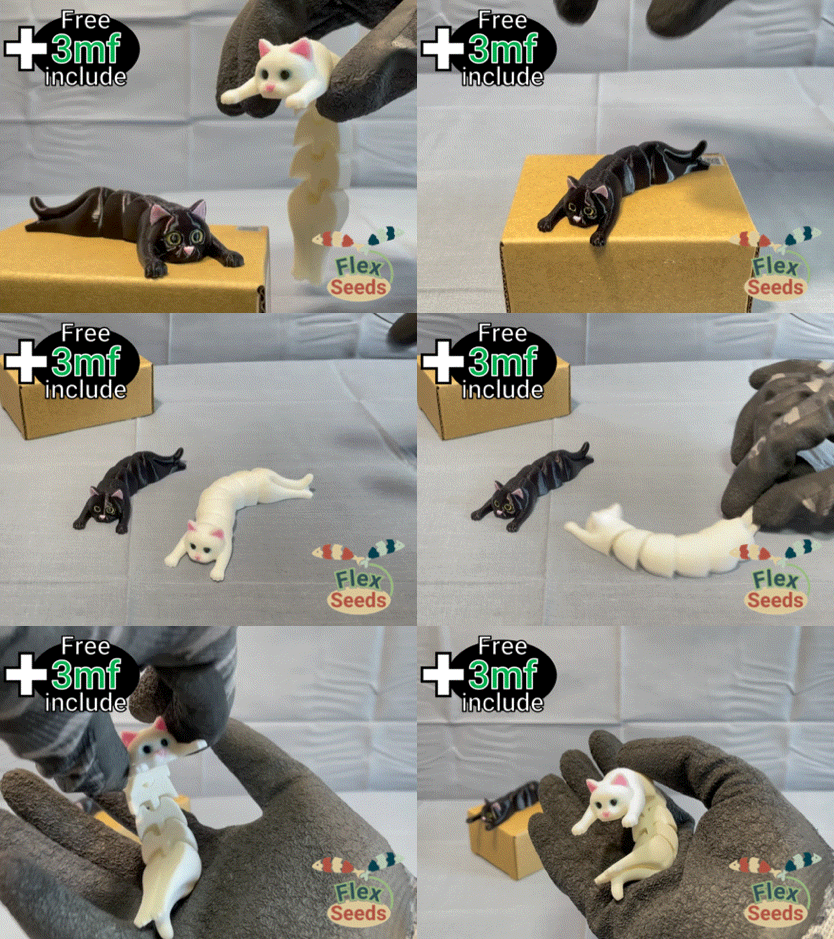
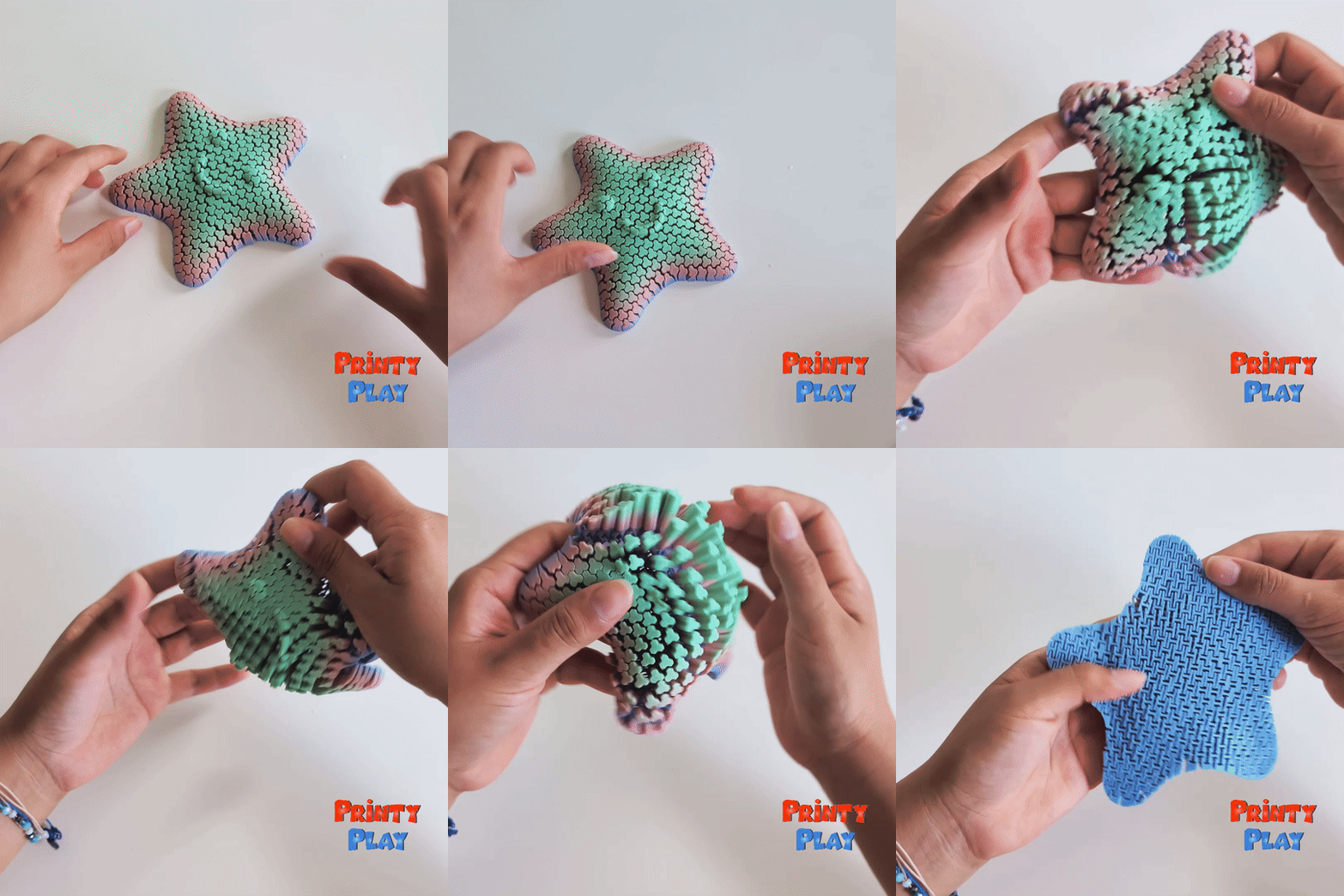



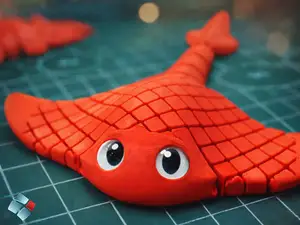
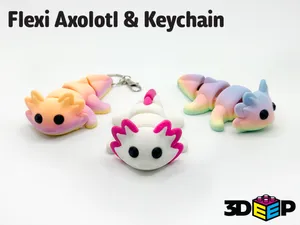
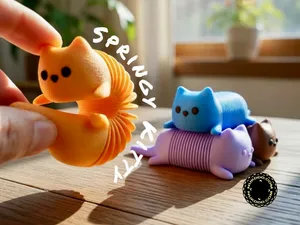


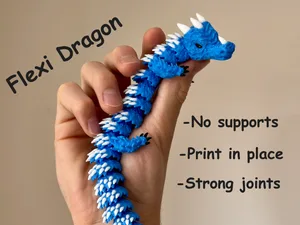
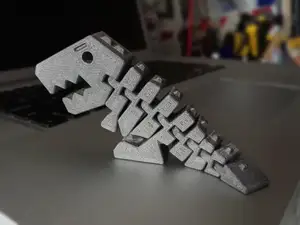

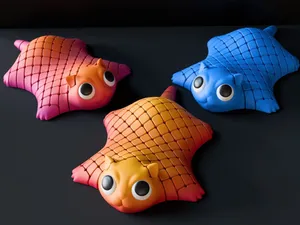

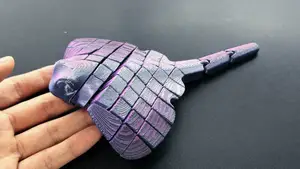
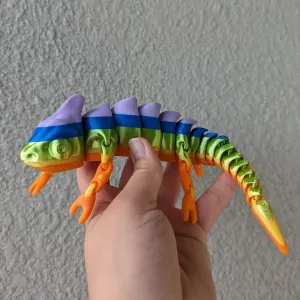
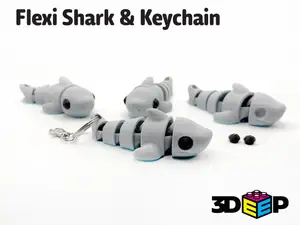


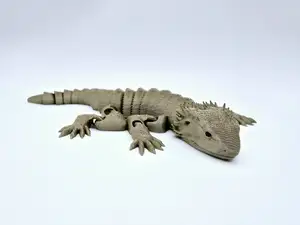
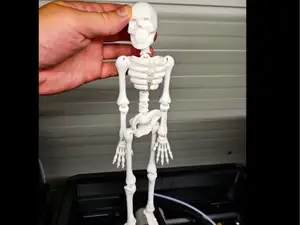

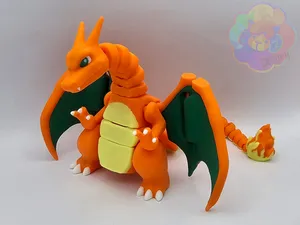
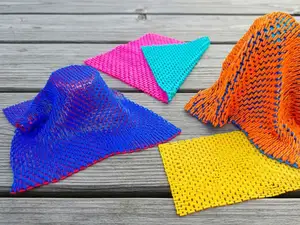


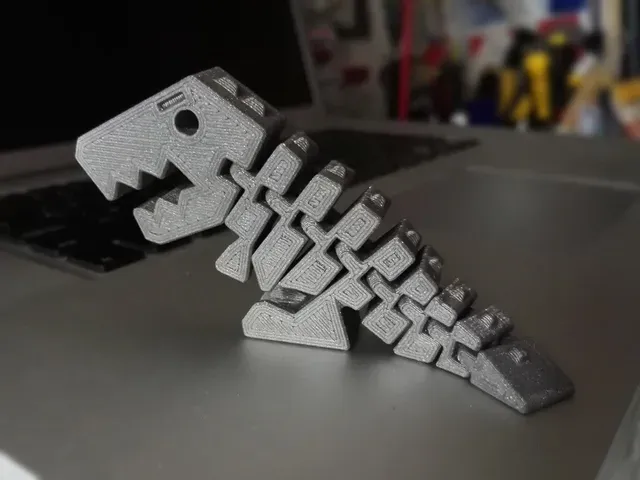
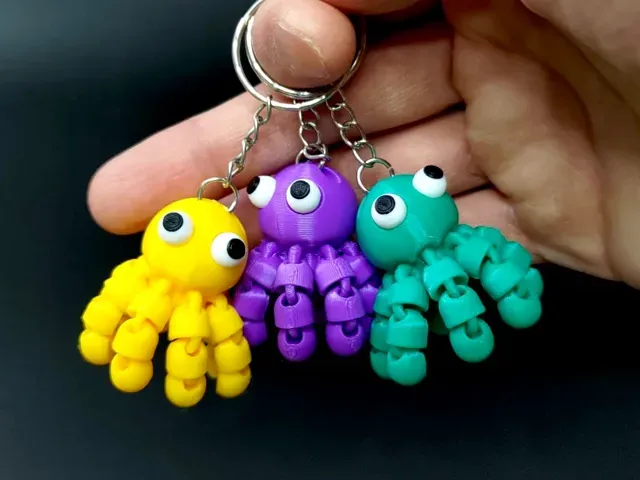
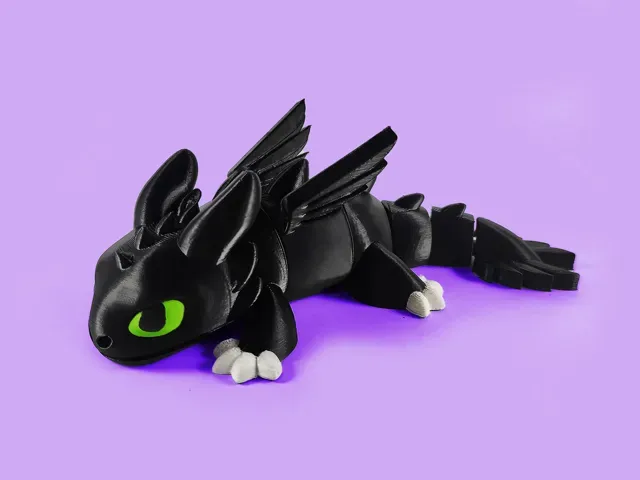
The models here fall into a few groups. Animal figures such as cats, foxes and axolotls are usually short and rounded, with a few visible joints. Dragons and dinosaurs are longer, with a tail, limbs and sometimes wings that all move. Snakes and similar toys are built from many repeating segments, while keychains and small charms shrink the same principle to pocket size.
When choosing a model, open the author's page and read the notes rather than judging from the thumbnail. Check the size and scale, how many parts are involved, whether supports are needed, and which material and settings the author lists. Joint clearance matters most: scale a model down and the gaps between segments can close up, scale it up and they can become loose. Photos of real prints show how the links behave better than a render.
Search results widen if you try related wording. Alongside flexi, people use articulated, print-in-place, segmented and wiggle for the same kind of model, and the creature name can be swapped for a broader term — reptile, insect, fantasy creature. Combining a body type with a feature, such as long tail or moving jaw, brings up variants that a single word misses. Browsing the toy and fandom categories also surfaces figures built on the same linked-segment idea.


Der komplette Themenkatalog – von Wohnen & Haushalt bis CNC, mit Suche auf allen angebundenen Plattformen.