
Kostenlos 
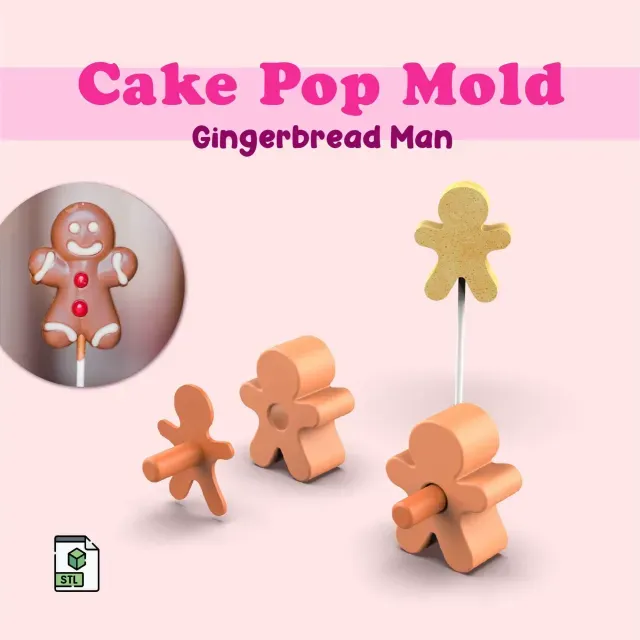
Gingerbread Mold
Thingiverse
This collection gathers 3D models built around lotus-shaped baking molds, cookie cutters and a few related decorative items. Most files are meant for a 3D printer that handles food-contact shapes, so wall thickness and surface finish matter. It is a starting point if you want a floral cutter for dough, clay or soap. Polyzon does not confirm whether models are free, their price, license, official status, affiliation, safety or fitness. Check the current terms at the source.
Der Text dieser Sammlung ist auf Englisch verfasst; die Suche selbst funktioniert in jeder Sprache.
 Eine Sammlung von Polyzon · 48 Modelle von 3 Plattformen
Polyzon stellt diese Sammlung aus den Suchergebnissen der angebundenen Plattformen zusammen. Dubletten und Modelle ohne Vorschaubild werden entfernt, schwache Treffer rutschen ans Ende, der Rest bleibt in der Reihenfolge der Suche. Die Modelle gehören ihren Urhebern – die Bedingungen findest du auf der Seite des jeweiligen Modells.
Auswahlregeln: Polyzon-Redaktion · Text aktualisiert: 15.10.2026

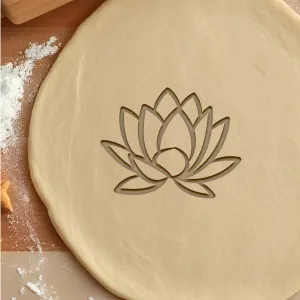

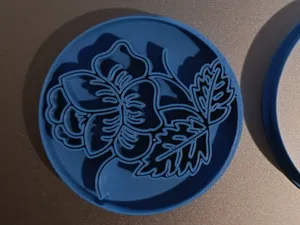
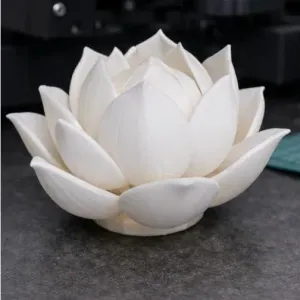


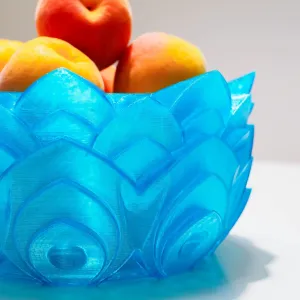

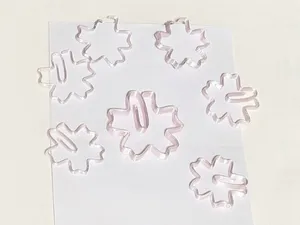
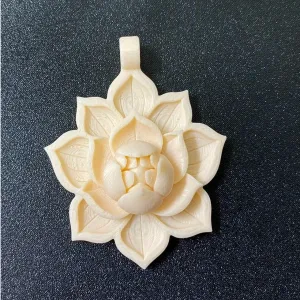


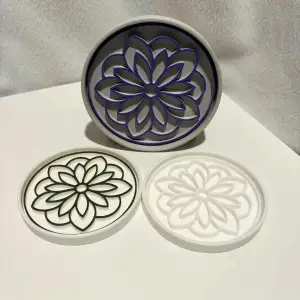

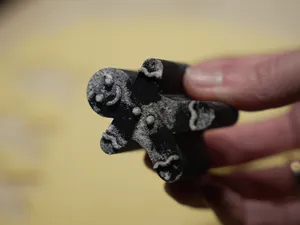
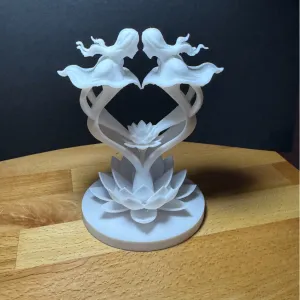

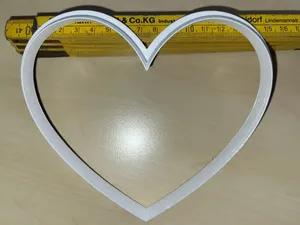
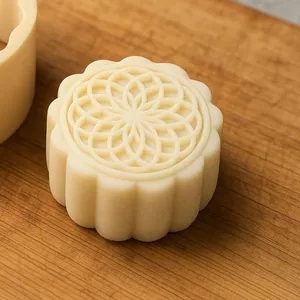

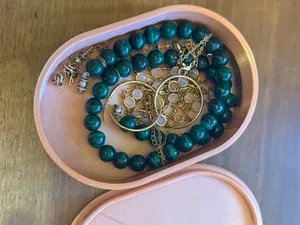
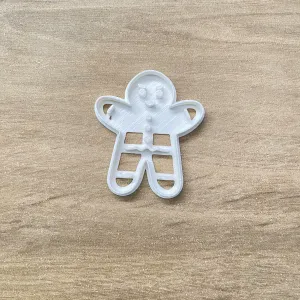

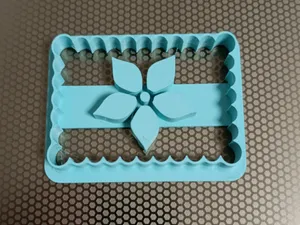
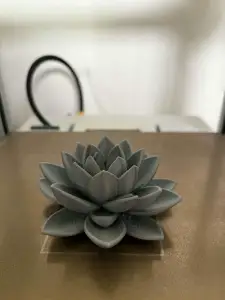

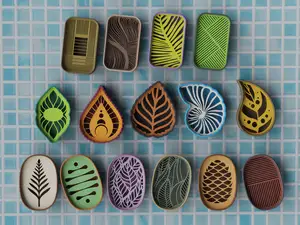
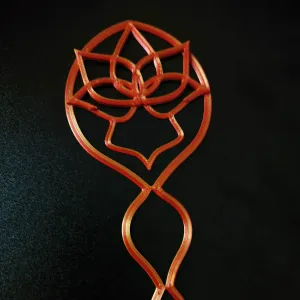

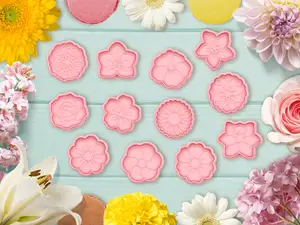
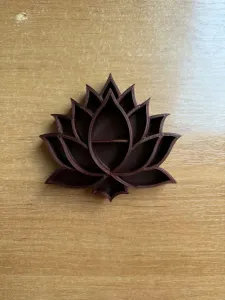


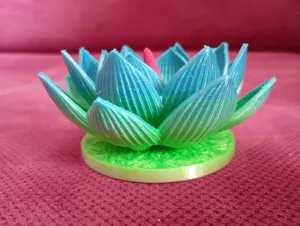


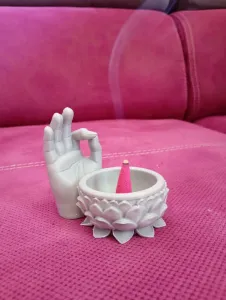

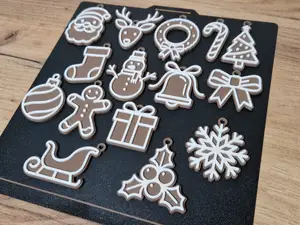
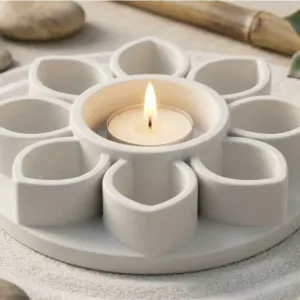

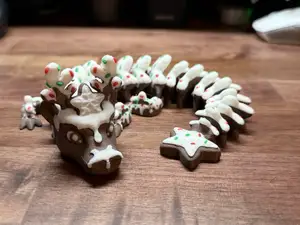
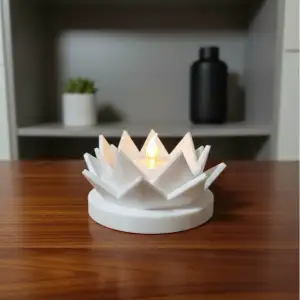
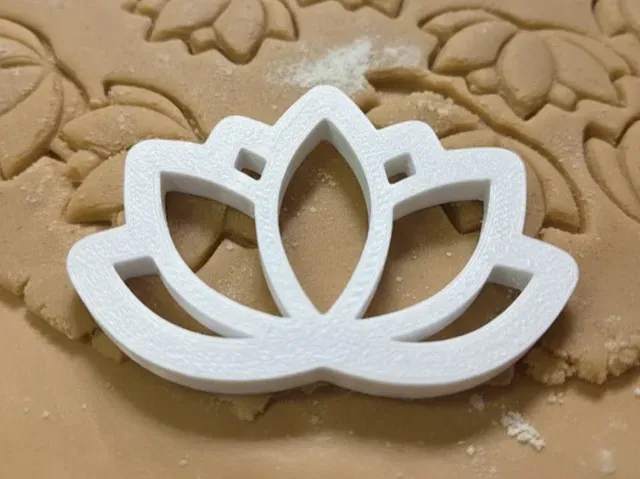
The reference shows two main families: baking molds for gingerbread and similar doughs, and cutters that press a flower outline into a flat sheet. Molds are usually deeper and hollow, while cutters are thin outlines, sometimes with an embossed inner stamp that adds relief. A third group leaves the kitchen entirely: lotus planters, bowls and ornaments share the same silhouette but are scaled up and printed as solid vessels.
When you open a model page, look at the overall size and scale first, then at how many parts the author split the shape into and whether they need to be joined. Check the listed layer height, wall count and material, and read whether the author recommends supports for overhanging petals. Photos of real prints are more useful than renders, because they show how thin edges and sharp petal tips actually come out.
To widen the search, try related wording such as floral cookie stamp, dough press, embossed cutter, biscuit mold or lotus planter. Adding a season or an occasion narrows the results, and swapping the flower name brings up cutters with a similar outline. If you need a different scale, search for the same shape with terms like miniature, large or multi-size.
A cutter and a mold are not interchangeable: one cuts an outline, the other shapes a volume, so the file you pick depends on whether you roll dough flat or pour batter. Very fine petal details survive better on a larger print, while small cutters often need a simplified outline to stay sturdy. Decorative versions without a cutting edge are meant for display rather than dough.


Der komplette Themenkatalog – von Wohnen & Haushalt bis CNC, mit Suche auf allen angebundenen Plattformen.