
Kostenlos 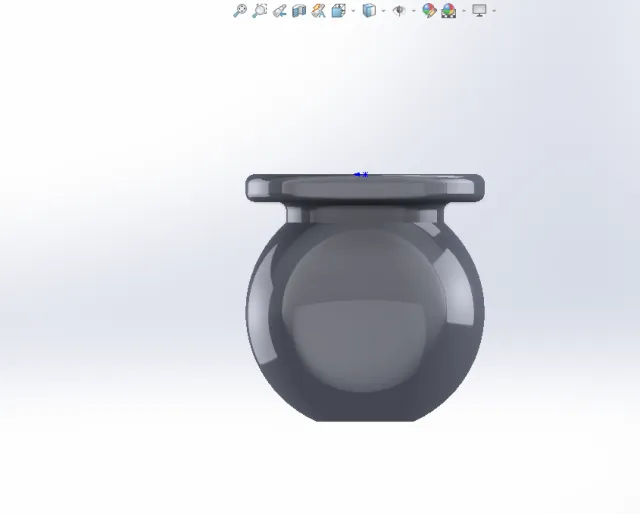
Гайка для фиксации весла на гребной лодке
3DToday
This collection gathers 3D-printable locking nuts and threaded fixings: parts that hold a paddle, a wheel, a joint or a small mechanism in place. Most files are simple threaded bodies with an insert, a cap or a split collar, so they can be made on a common 3D printer. Use the list to compare thread sizes, insert types and how each part is meant to be tightened. Polyzon does not confirm whether models are free, their price, license, official status, affiliation, safety or fitness. Check the current terms at the source.
Der Text dieser Sammlung ist auf Englisch verfasst; die Suche selbst funktioniert in jeder Sprache.
 Eine Sammlung von Polyzon · 48 Modelle von 6 Plattformen
Polyzon stellt diese Sammlung aus den Suchergebnissen der angebundenen Plattformen zusammen. Dubletten und Modelle ohne Vorschaubild werden entfernt, schwache Treffer rutschen ans Ende, der Rest bleibt in der Reihenfolge der Suche. Die Modelle gehören ihren Urhebern – die Bedingungen findest du auf der Seite des jeweiligen Modells.
Auswahlregeln: Polyzon-Redaktion · Text aktualisiert: 11.10.2026
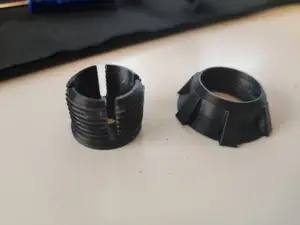

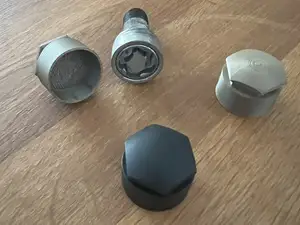
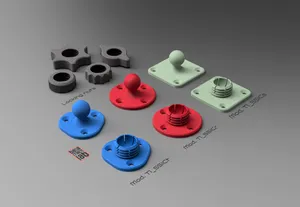
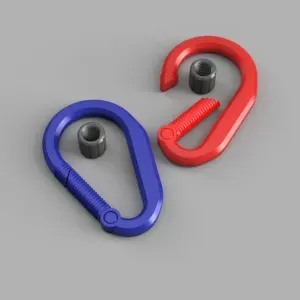
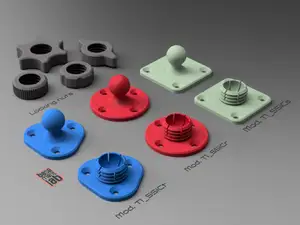

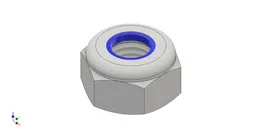
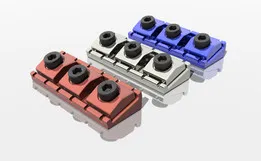
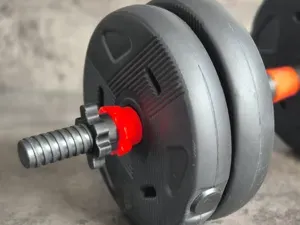


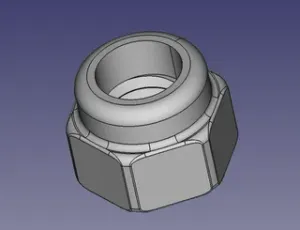
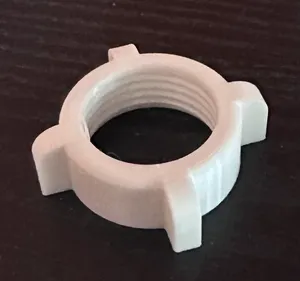
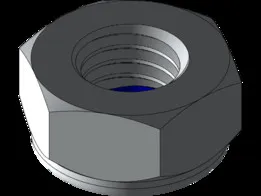
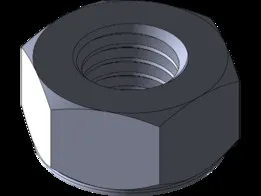

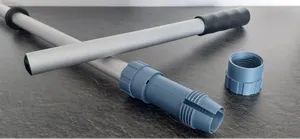
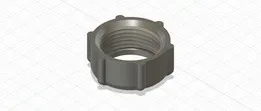
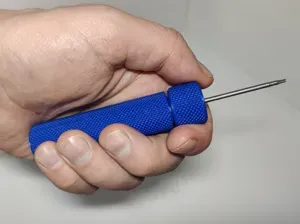


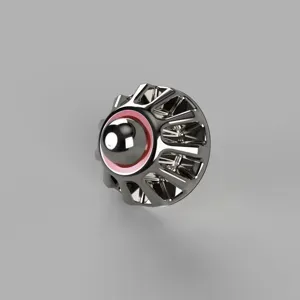
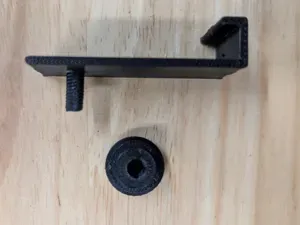
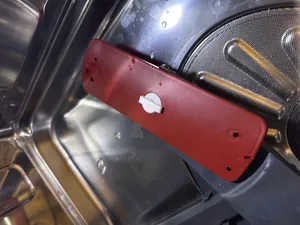

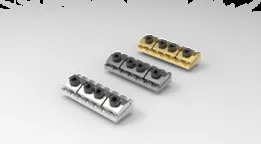
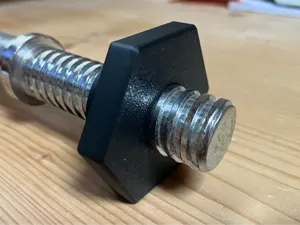
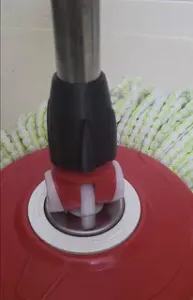

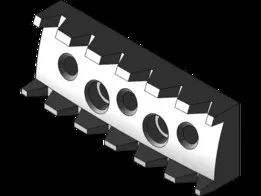
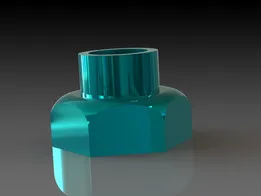
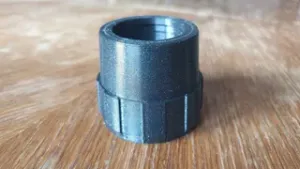
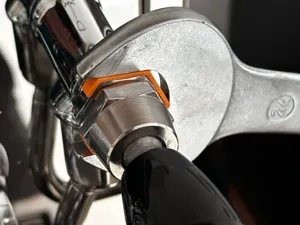

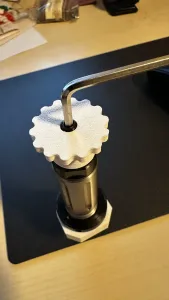
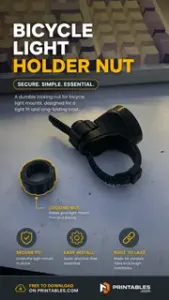
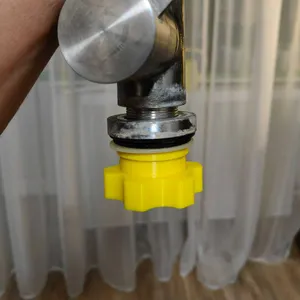
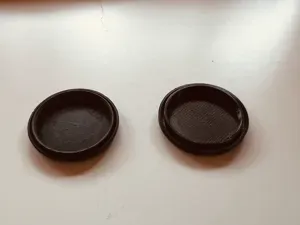


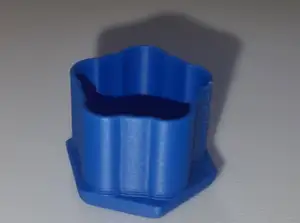
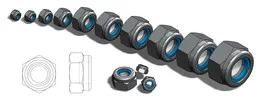
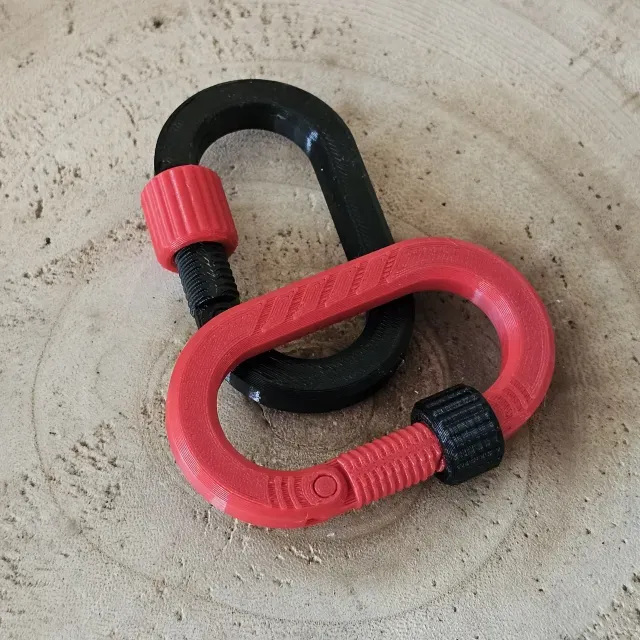
The models fall into a few groups. Paddle and oar nuts sit on a shaft or a connector and keep the blade or the joint from turning. Self-locking versions use a nylon ring or a metal insert to resist loosening under vibration. Carabiner and ball-socket parts combine a threaded collar with a moving element, while wheel and hub covers are mostly caps that hide or retain a nut. A separate group covers small repairs, such as nuts for instruments, spray arms and holders.
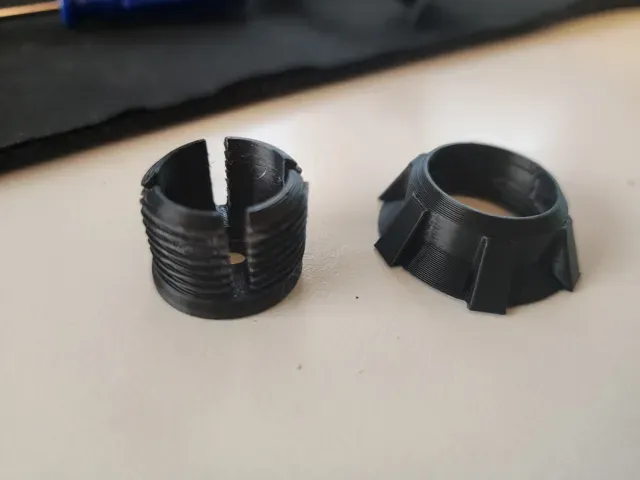
When you pick a file, read the author's page rather than the thumbnail. Check the thread diameter and pitch, the number of parts and whether they are meant to be glued or screwed together, and whether the author reports that supports are needed. Look at the material and settings the author lists, since a nut that takes load behaves differently in a stiff filament than in a flexible one. Photos of real prints show how the thread came out and how the insert sits in its pocket.
If the results are too narrow, try related wording. Terms such as threaded insert, collar, retaining ring, cap nut, knurled nut or wing nut describe parts that do the same job in other designs. Adding the object to fix, for example a paddle shaft, a wheel hub or a joint, brings up fittings that a generic nut search misses. Browsing the categories of the authors who publish these parts often leads to matching screws and brackets.




Der komplette Themenkatalog – von Wohnen & Haushalt bis CNC, mit Suche auf allen angebundenen Plattformen.