Kostenlos 
Pneumatic pressure limiting valve
Thingiverse
This collection brings together STL files for nuts, adapters and small fittings used around pressure valves, from plain metric hex nuts to pneumatic and relief-valve parts. It is useful when a standard fastener does not match the thread or space you have, and a 3D printer can produce the shape you need. Polyzon does not confirm whether models are free, their price, license, official status, affiliation, safety or fitness. Check the current terms at the source.
Der Text dieser Sammlung ist auf Englisch verfasst; die Suche selbst funktioniert in jeder Sprache.
 Eine Sammlung von Polyzon · 46 Modelle von 4 Plattformen
Polyzon stellt diese Sammlung aus den Suchergebnissen der angebundenen Plattformen zusammen. Dubletten und Modelle ohne Vorschaubild werden entfernt, schwache Treffer rutschen ans Ende, der Rest bleibt in der Reihenfolge der Suche. Die Modelle gehören ihren Urhebern – die Bedingungen findest du auf der Seite des jeweiligen Modells.
Auswahlregeln: Polyzon-Redaktion · Text aktualisiert: 15.10.2026
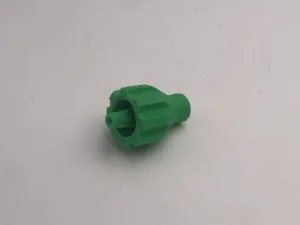

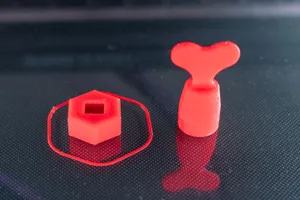
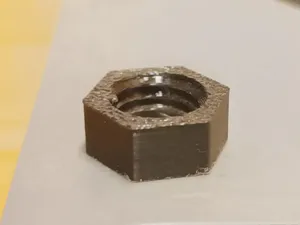

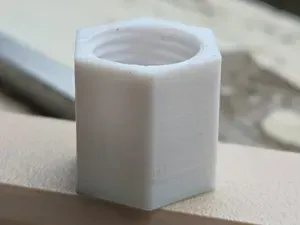
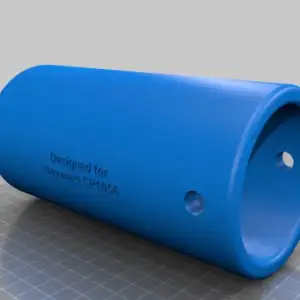

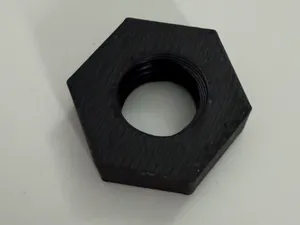
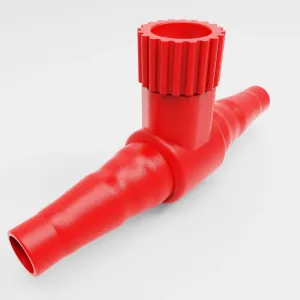

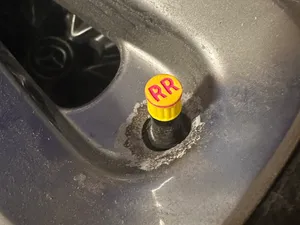
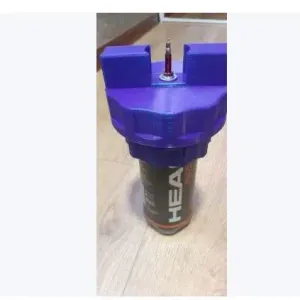

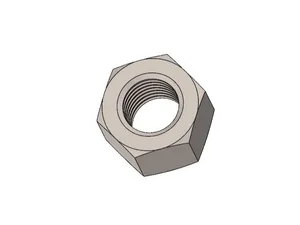
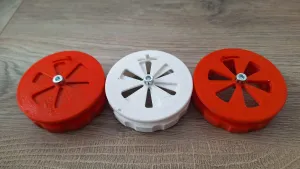

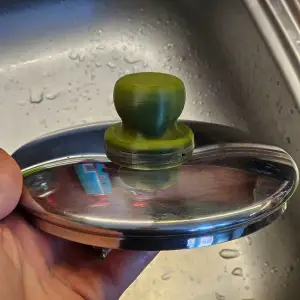

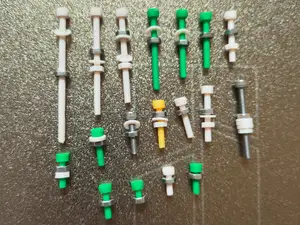
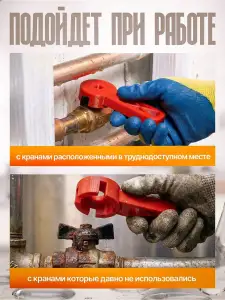

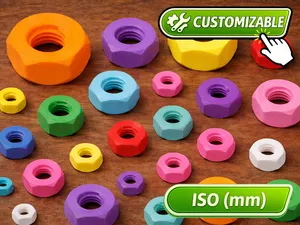
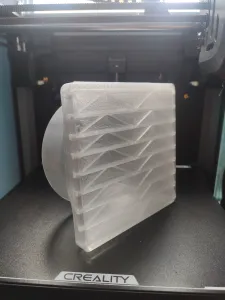
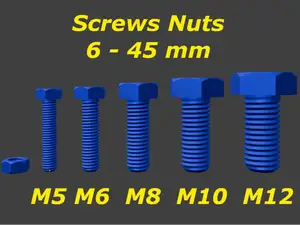
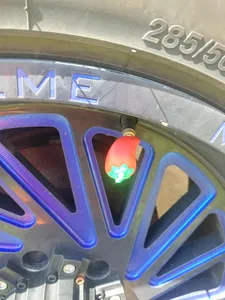

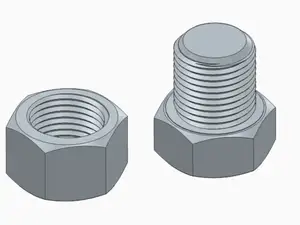
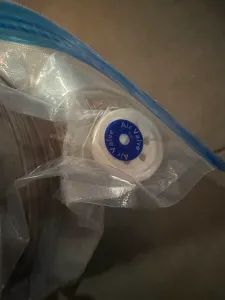

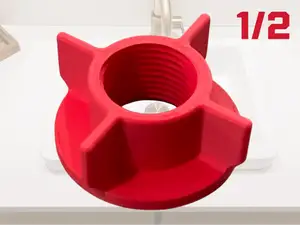
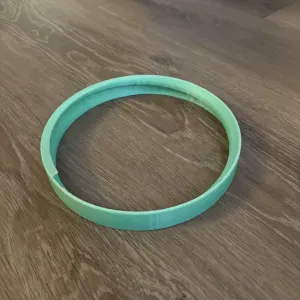

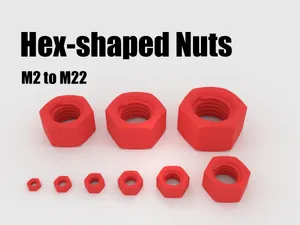
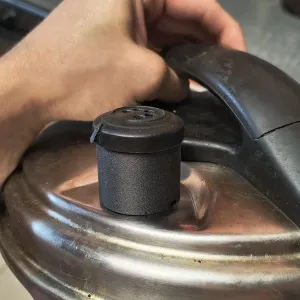

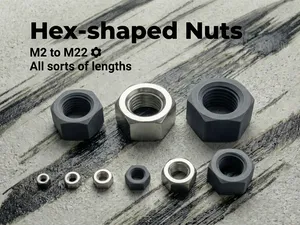
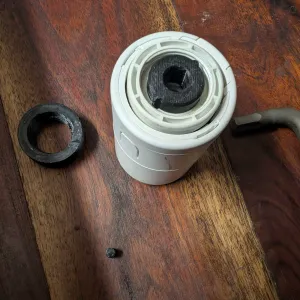

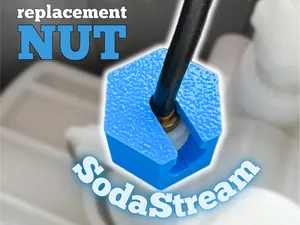
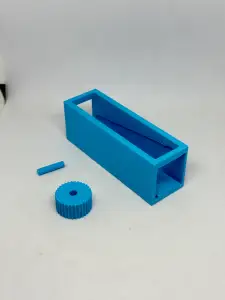

The models fall into a few groups. Plain metric hex nuts and threaded fasteners cover common sizes and are often parametric, so the thread diameter can be changed before export. Valve-specific parts include relief-valve nuts, drain adapters and pneumatic fittings with threads such as BSPP or metric air-line sizes. A third group is made of accessories: caps, covers, stem markers and keys or tools for loosening a nut that sits in a tight recess.
When choosing a file, read the thread specification first: nominal diameter, pitch and thread standard decide whether the part will turn onto your valve. Check whether the author models the thread directly or expects you to tap it, and look at wall thickness around the bore, since a thin ring can split when tightened. Photos of real prints and the material and settings listed on the model page tell you more than the render. For printing, orientation matters: a nut printed flat on its face usually needs fewer supports than one standing on its side, and a finer layer height helps where threads are modelled.
If the results are thin, try other names for the same object: nut, fastener, hex, porca, tuerca, threaded insert, adapter or fitting. Adding the connection type narrows it further, for example pneumatic, air line, pressure relief, boiler drain, Schrader or Presta. Related searches such as valve key, valve cap, thread gauge or hose adapter often lead to parts that fit the same assembly.


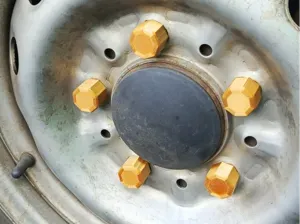


Der komplette Themenkatalog – von Wohnen & Haushalt bis CNC, mit Suche auf allen angebundenen Plattformen.