
Kostenlos 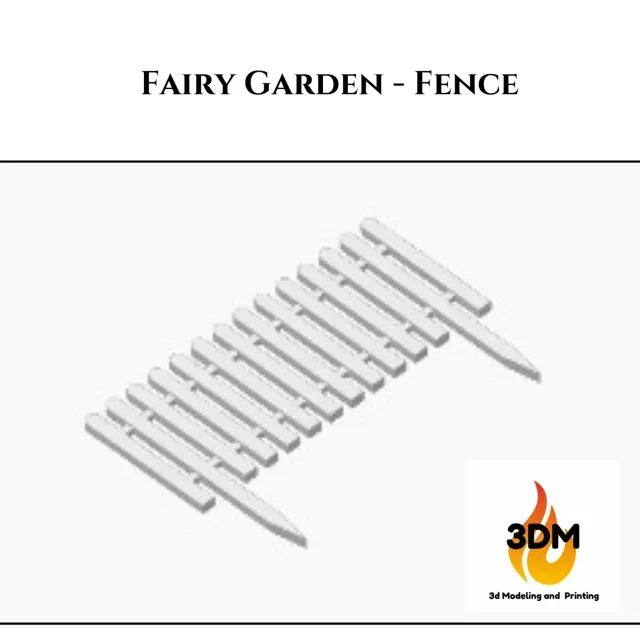
Fairy Garden Fence
MakerWorld
This collection gathers garden fence STL files, from small decorative borders to modular panels and scale models for dioramas. It covers both pieces meant for outdoor beds and miniature versions used in fairy gardens or model scenes. The range is useful if you want to print a fence in sections and adapt the size to your own 3D printer. Polyzon does not confirm whether models are free, their price, license, official status, affiliation, safety or fitness. Check the current terms at the source.
Der Text dieser Sammlung ist auf Englisch verfasst; die Suche selbst funktioniert in jeder Sprache.
 Eine Sammlung von Polyzon · 47 Modelle von 7 Plattformen
Polyzon stellt diese Sammlung aus den Suchergebnissen der angebundenen Plattformen zusammen. Dubletten und Modelle ohne Vorschaubild werden entfernt, schwache Treffer rutschen ans Ende, der Rest bleibt in der Reihenfolge der Suche. Die Modelle gehören ihren Urhebern – die Bedingungen findest du auf der Seite des jeweiligen Modells.
Auswahlregeln: Polyzon-Redaktion · Text aktualisiert: 12.10.2026
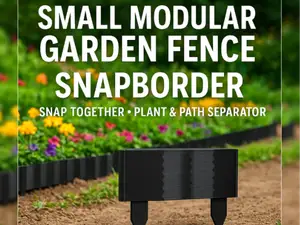

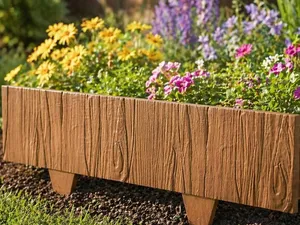
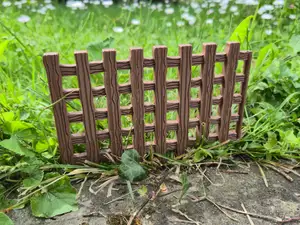
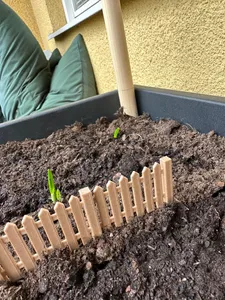
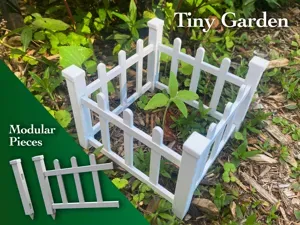



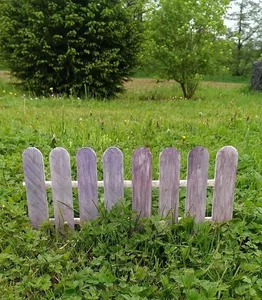
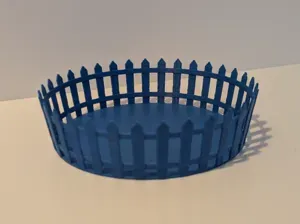

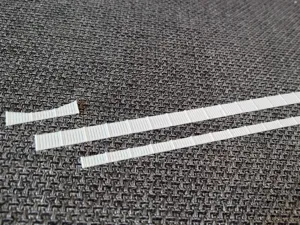
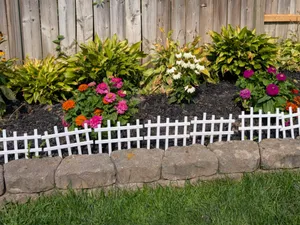
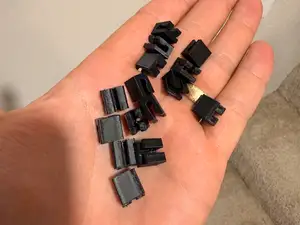
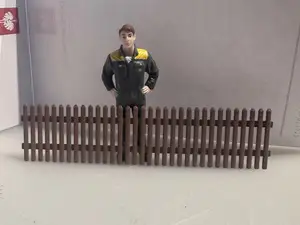

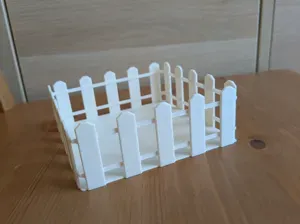

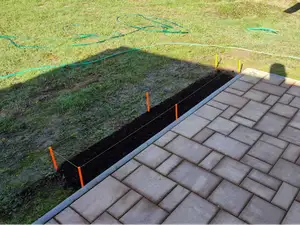


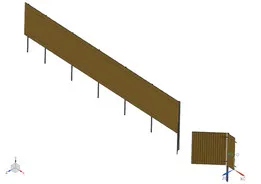

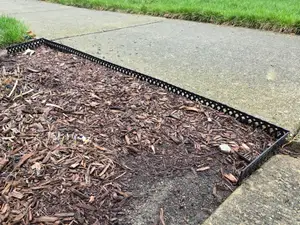
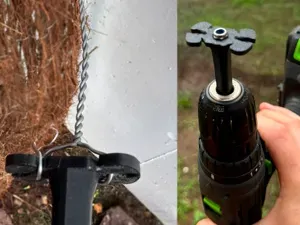

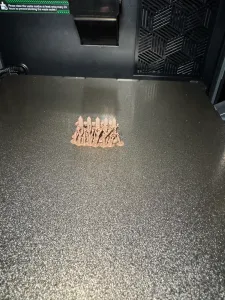

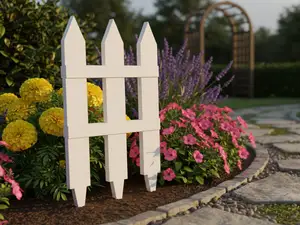

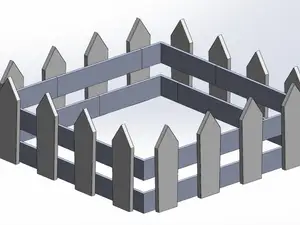
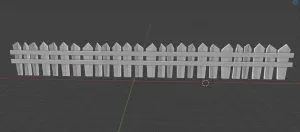

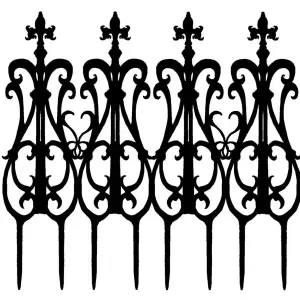


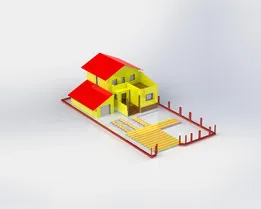




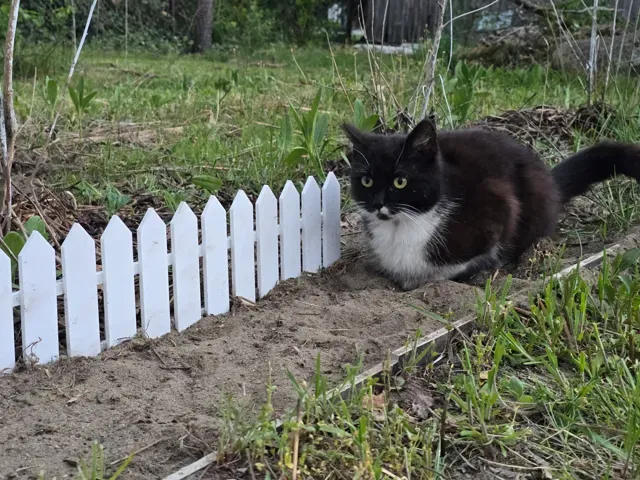
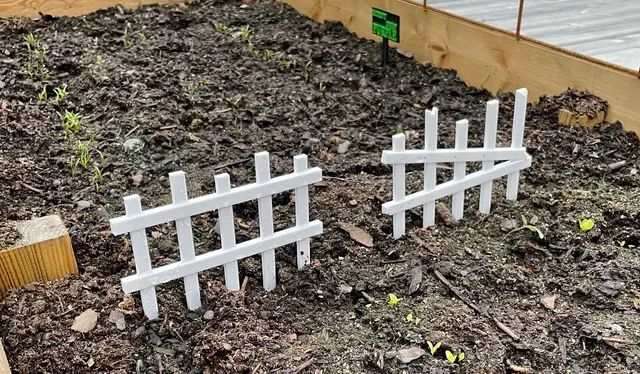
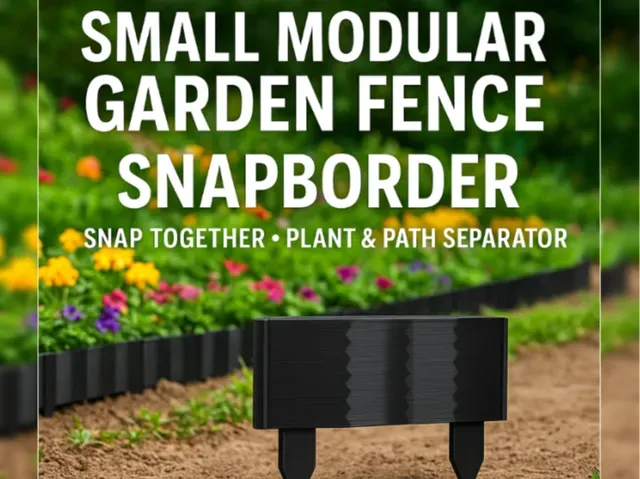
The models fall into a few groups. Miniature and fairy-scale fences are small, thin-walled and often printed as one long strip or a few repeated segments. Lawn edging and pound-in stakes are made for soil, with a tapered base or a spike that goes into the ground. Modular systems use separate panels, posts and sometimes a gate, so the run can be extended piece by piece. A last group is functional rather than structural: hooks, holders and fittings that attach to a fence or a post.
When choosing a model, read the author's page for scale and overall length, the number of separate parts, and whether supports are needed. Thin pickets and long rails are easier to print flat, while posts with spikes may need a brim for adhesion. For outdoor use, look at the material the author lists and pick one that handles moisture and UV, and check the wall thickness before scaling a model down. Photos of real prints on the model page usually show how the sections join and how the base sits in soil.
To widen the search, try related words such as edging, border, picket, railing, palisade or trellis, and add the setting you have in mind, like lawn, raised bed or planter. For small versions, terms such as miniature, fairy, diorama or a named scale help separate them from full-size pieces. If you need a longer run, search for modular, panel, post, stake or connector, and for added function try hook, holder or bracket. Combining a shape word with a purpose word narrows the results faster than one broad term.





Der komplette Themenkatalog – von Wohnen & Haushalt bis CNC, mit Suche auf allen angebundenen Plattformen.