
Kostenlos 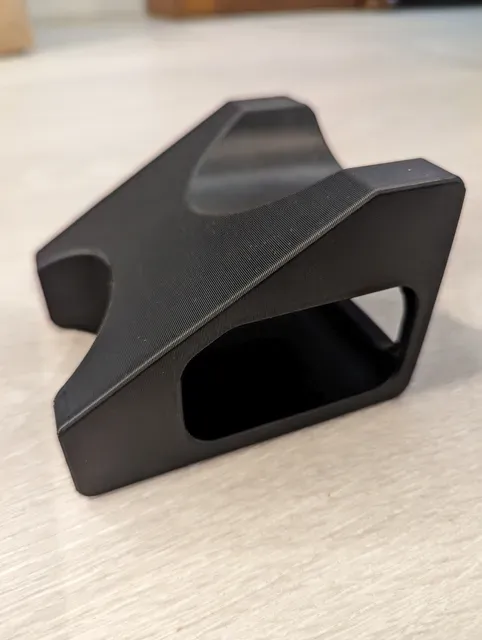
Guitar Neck Rest
Printables
This collection gathers 3D models for holding a guitar or bass neck steady while you work on it, along with hangers and stands that keep the instrument upright. The files range from simple cradles to multi-position supports and wall mounts, so you can pick the shape that matches your bench and instrument. Each listing links to an STL or similar file that you slice and print on a 3D printer. Polyzon does not confirm whether models are free, their price, license, official status, affiliation, safety or fitness. Check the current terms at the source.
Der Text dieser Sammlung ist auf Englisch verfasst; die Suche selbst funktioniert in jeder Sprache.
 Eine Sammlung von Polyzon · 48 Modelle von 6 Plattformen
Polyzon stellt diese Sammlung aus den Suchergebnissen der angebundenen Plattformen zusammen. Dubletten und Modelle ohne Vorschaubild werden entfernt, schwache Treffer rutschen ans Ende, der Rest bleibt in der Reihenfolge der Suche. Die Modelle gehören ihren Urhebern – die Bedingungen findest du auf der Seite des jeweiligen Modells.
Auswahlregeln: Polyzon-Redaktion · Text aktualisiert: 13.10.2026

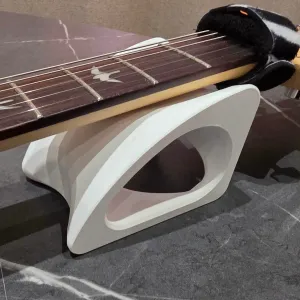
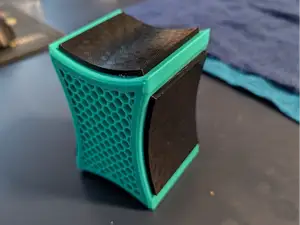
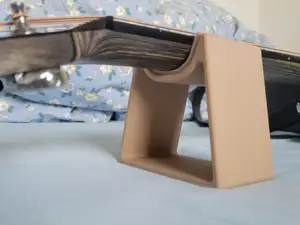
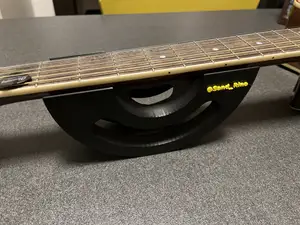

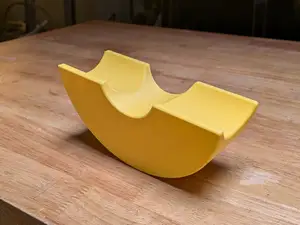


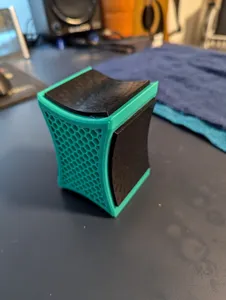
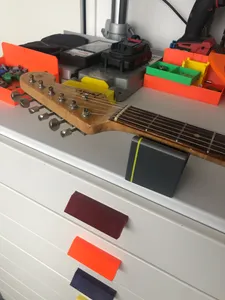
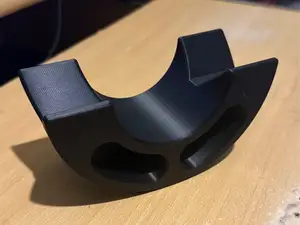


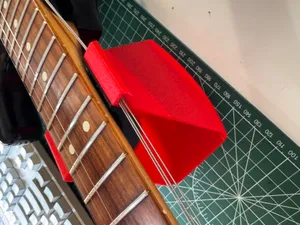


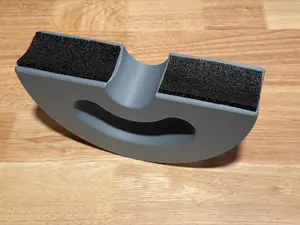
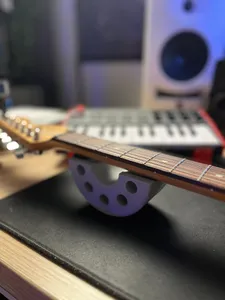
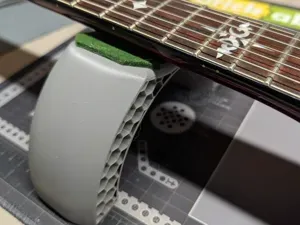
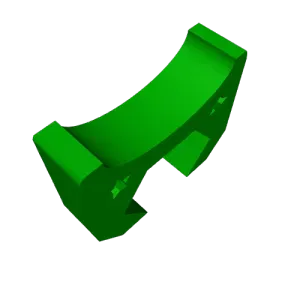

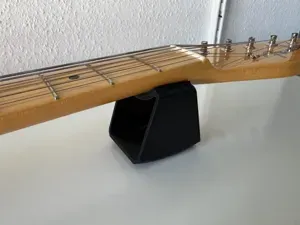



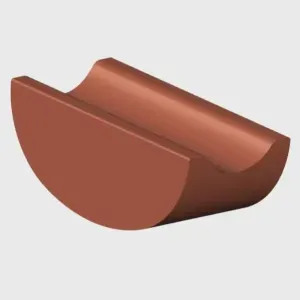



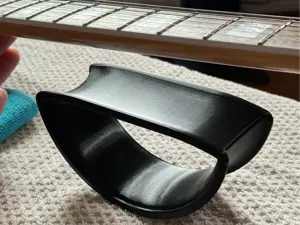

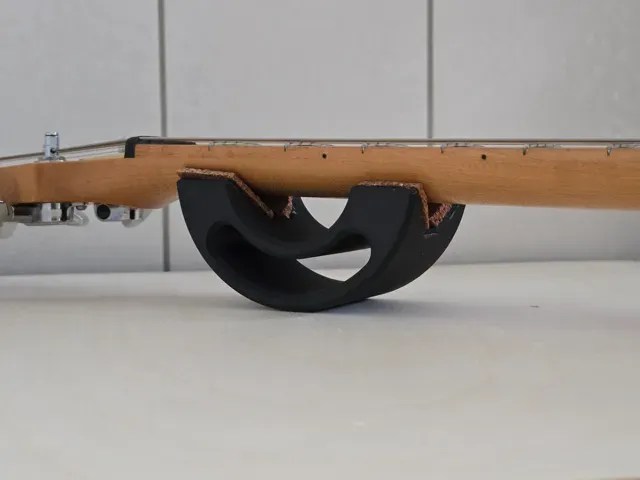
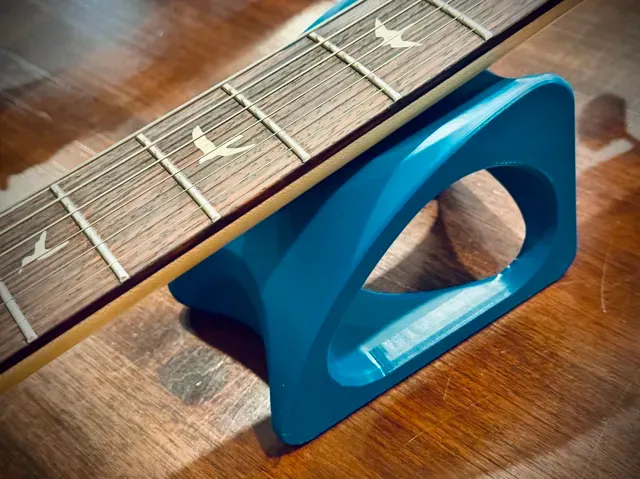
The most common pieces are cradles that sit on a bench and hold the neck at a fixed height, often with a curved profile that follows the back of the neck. Angled and multi-position versions let you change the working height or tilt, which matters when you move between fret work and nut or truss rod adjustments. Wall hangers and headstock mounts take a different approach: they hold the instrument by the headstock or neck so it stays off the floor, and some are shaped as decorative wall pieces. Larger working stands support the whole instrument upright, sometimes with a rest for the body as well.
Before printing, check the neck width and profile the author lists, since a cradle sized for an electric guitar may not fit a bass or a wide acoustic neck. Look at how the model contacts the instrument: some designs touch only the back of the neck, others support the fretboard edges, and padding or felt strips are often added by the user. Read the recommended material, layer height, wall count and infill, and check the orientation of the part on the bed, because a rest printed flat can split along the layers under load. Photos of real prints on the model page show how the finished piece sits under an instrument.
If the results feel narrow, try other terms for the same idea: neck cradle, neck support, luthier jig, guitar stand, headstock hanger, or wall mount. Adding the instrument type narrows it further — electric, acoustic, bass, classical — and related topics such as fretboard, nut, truss rod, setup or repair bring up tools used in the same workflow. You can also search by the part that holds the instrument, for example a yoke, a U-shaped bracket or a padded block, since authors describe the same shape in different words.
The choice usually comes down to where you work: a bench cradle for setup tasks, a stand for keeping the instrument upright during longer jobs, or a wall hanger for storage between sessions. Check the dimensions against your instrument, the hardware the model expects, such as screws or inserts, and whether the design needs supports or prints without them. If a model is close but not exact, scaling it slightly or adding your own padding is often enough.



Der komplette Themenkatalog – von Wohnen & Haushalt bis CNC, mit Suche auf allen angebundenen Plattformen.