
Kostenlos 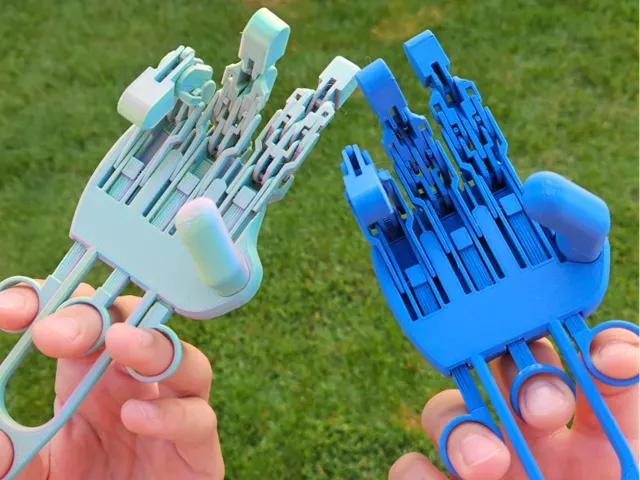
Overengineered Mechanical Hand V2 - 4 Fingers!
MakerWorld
This collection gathers 3D printing models built around the hand, from jointed mechanical versions to anatomical studies and robot grippers. It is useful when you need a posable hand, a reference shape or a small mechanism to assemble. Most files are STL meshes that can be scaled and printed on a desktop 3D printer. Polyzon does not confirm whether models are free, their price, license, official status, affiliation, safety or fitness. Check the current terms at the source.
Der Text dieser Sammlung ist auf Englisch verfasst; die Suche selbst funktioniert in jeder Sprache.
 Eine Sammlung von Polyzon · 48 Modelle von 7 Plattformen
Polyzon stellt diese Sammlung aus den Suchergebnissen der angebundenen Plattformen zusammen. Dubletten und Modelle ohne Vorschaubild werden entfernt, schwache Treffer rutschen ans Ende, der Rest bleibt in der Reihenfolge der Suche. Die Modelle gehören ihren Urhebern – die Bedingungen findest du auf der Seite des jeweiligen Modells.
Auswahlregeln: Polyzon-Redaktion · Text aktualisiert: 14.10.2026


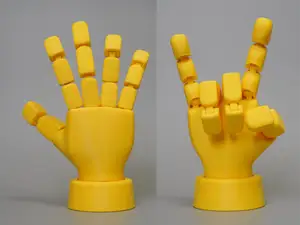
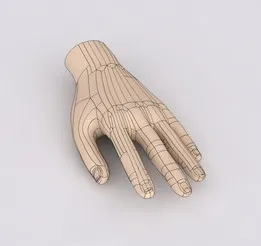
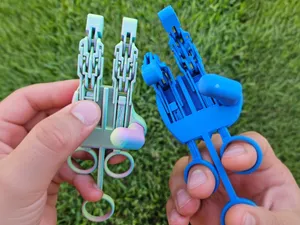


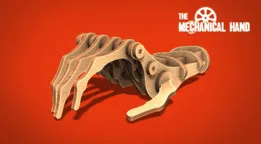
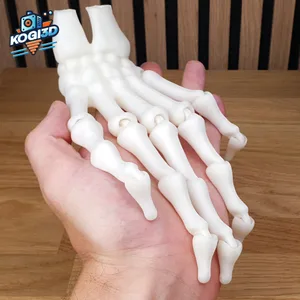
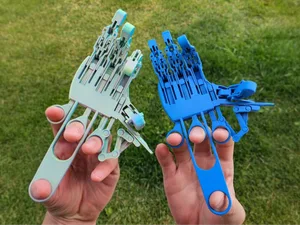

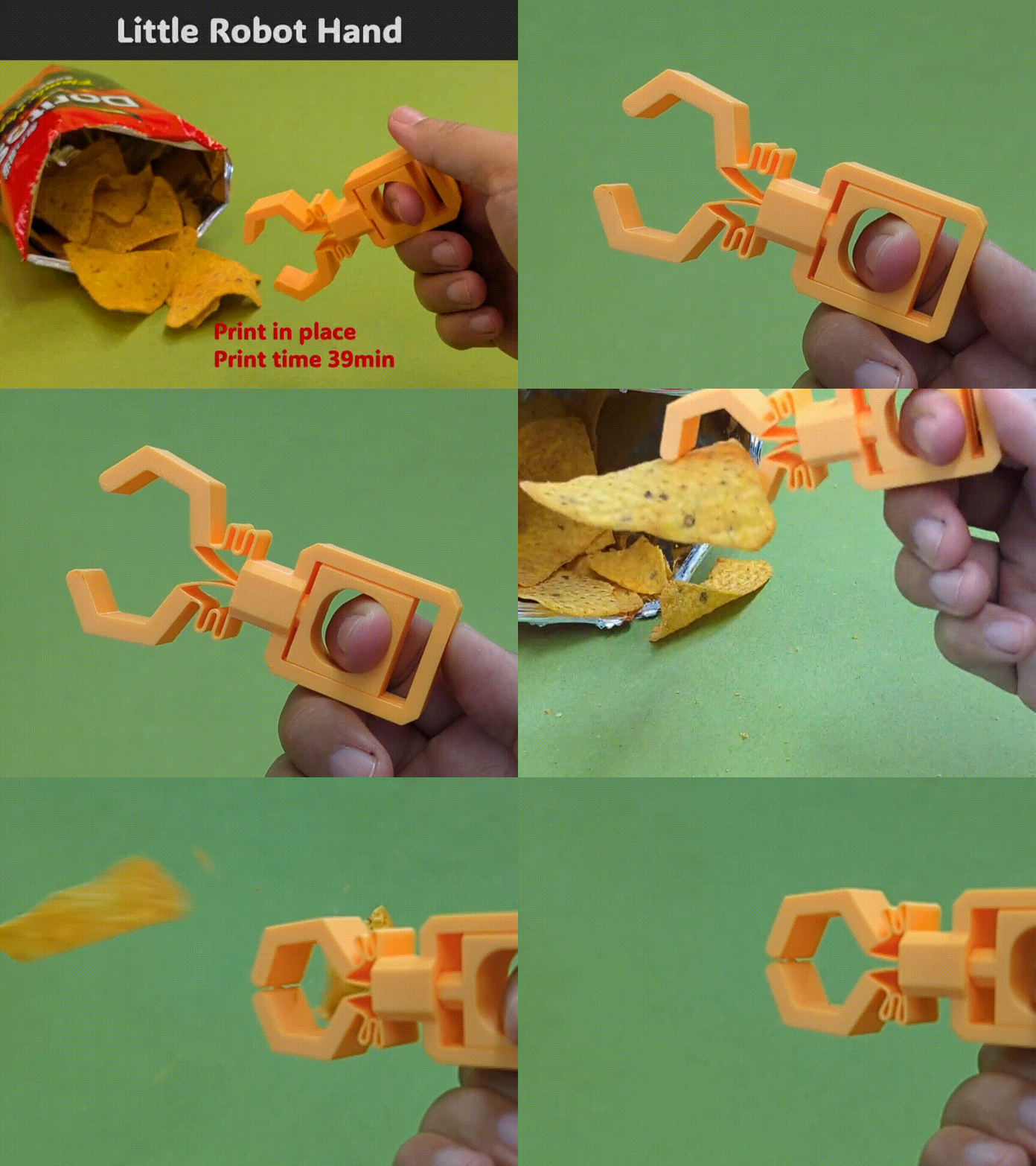
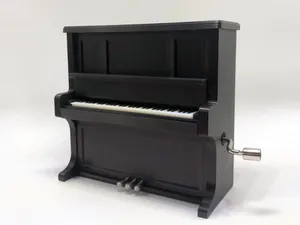
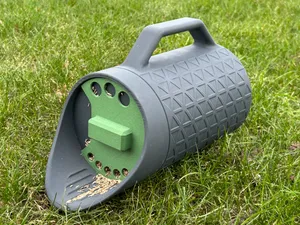



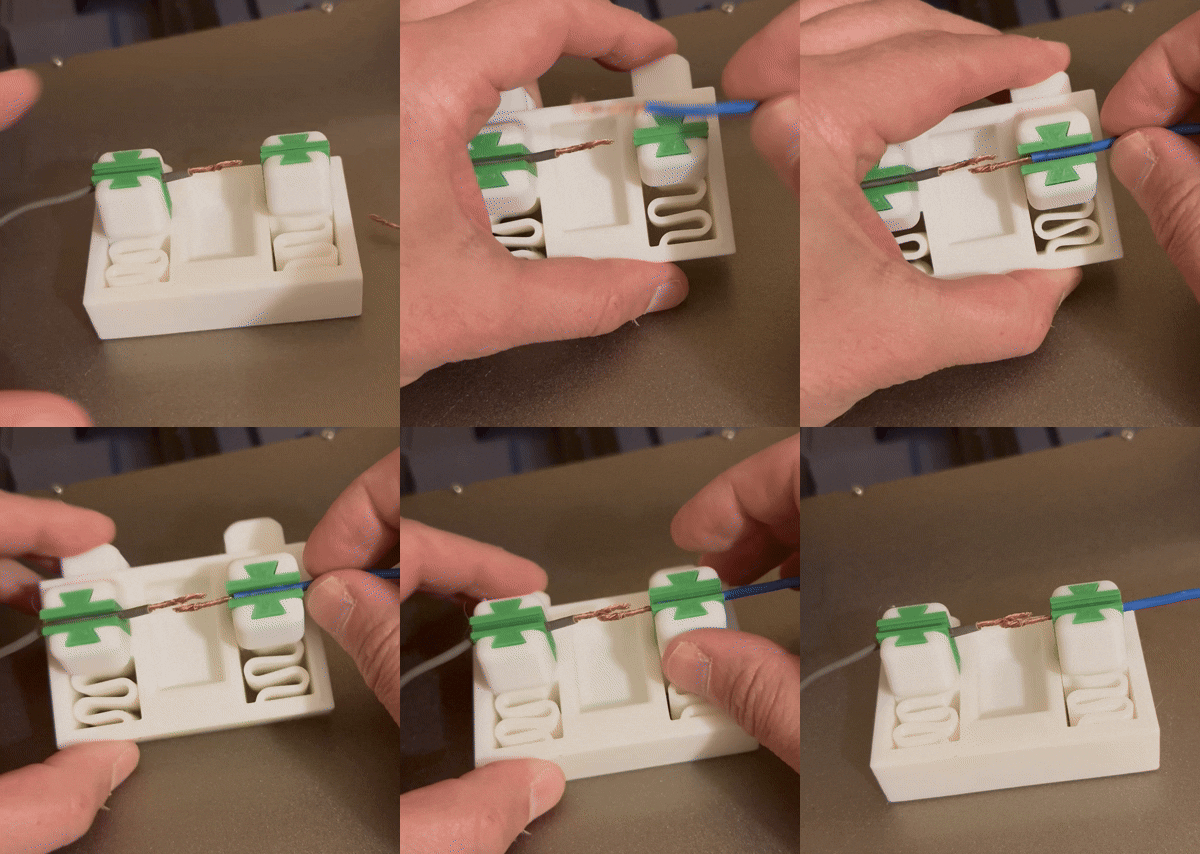


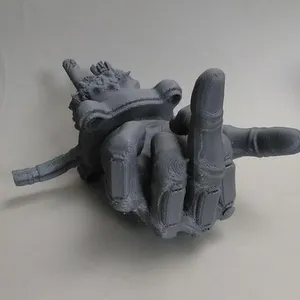
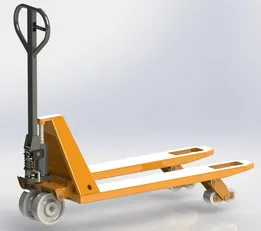
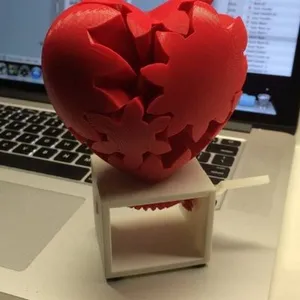


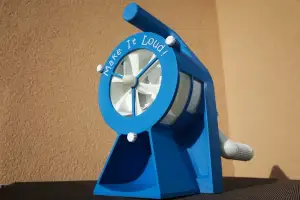
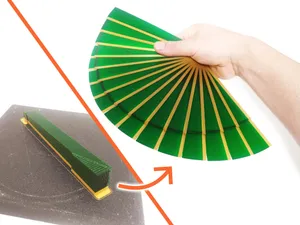
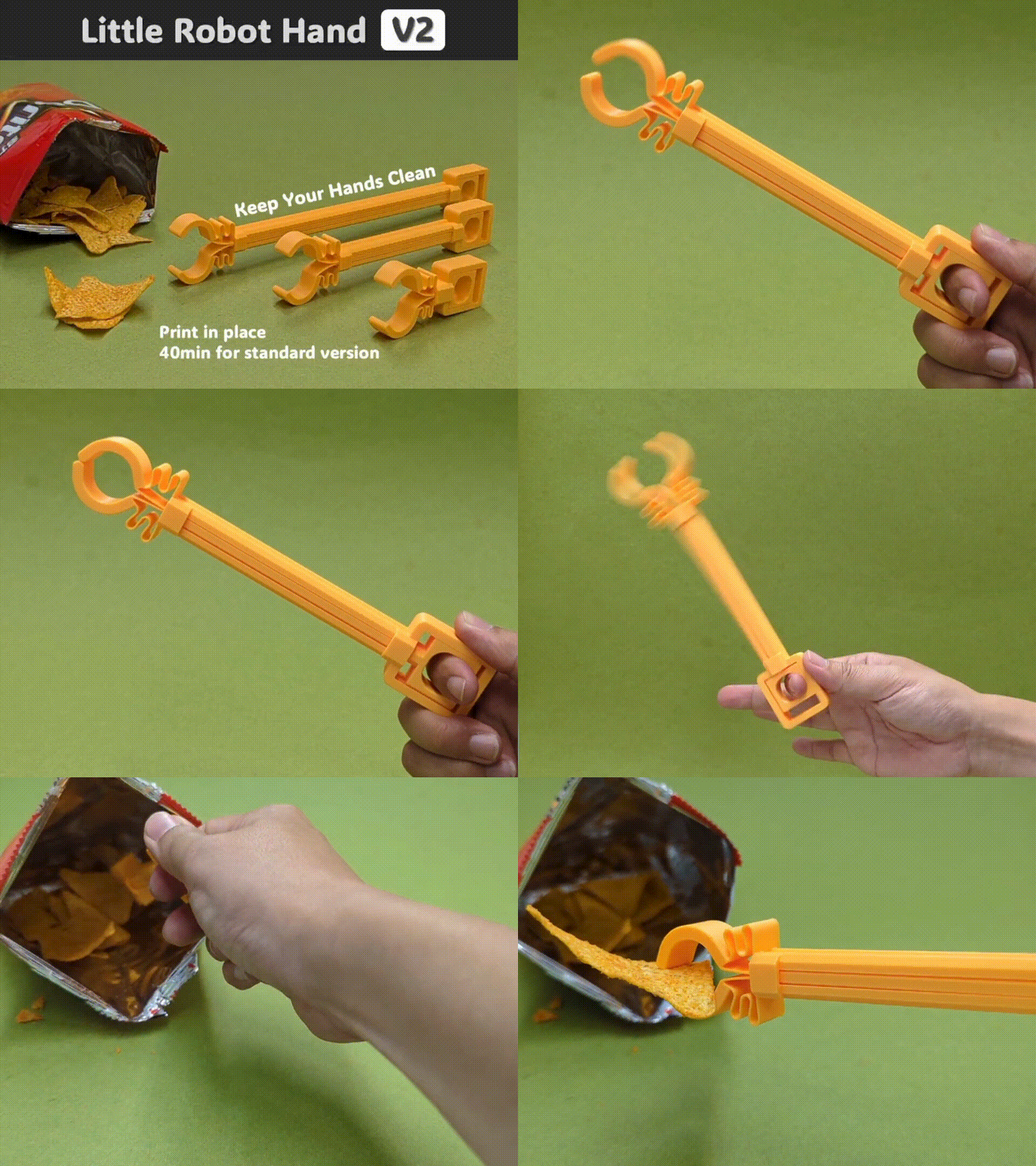


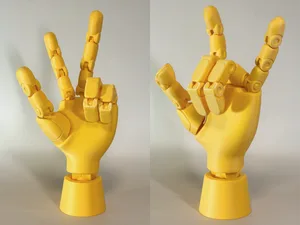
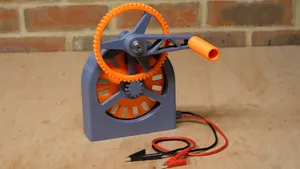
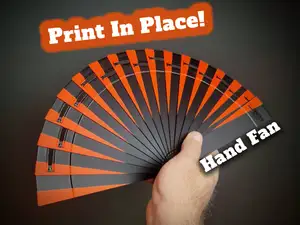


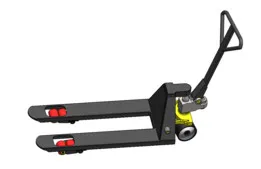

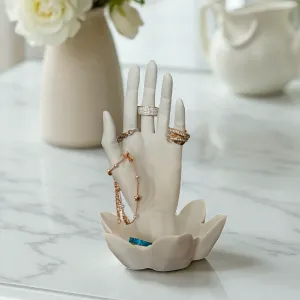
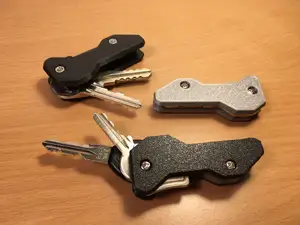

The models fall into a few groups. Articulated hands use separate joints, pins or hinges so the fingers move after assembly, while print-in-place versions come off the plate as a single working piece. Anatomical human hands are shaped for study or display, often split into left and right versions. Robot hands are built around linkages and mounting points for servos, and a further group covers everyday items where a hand operates the object rather than being the subject.
When choosing a file, look at the scale and the number of parts first, since a full-size hand and a palm-sized version need very different settings. Check how the joints are held together, whether the author lists supports, and which material and layer height they used. Photos of real prints on the model page show how the fingers sit and how much cleanup the joints need. Small clearances between moving parts are the usual place where a print stops working.
Search results widen quickly if you try related wording. Terms such as jointed, posable, flexi, skeleton, palm, wrist, finger or gripper lead to different takes on the same idea, and robot or animatronic brings up versions made for motors. Related topics include anatomy references, cosplay props, fidget pieces and workshop tools, so combining a body part with a use case usually narrows the list faster than a single word.



Der komplette Themenkatalog – von Wohnen & Haushalt bis CNC, mit Suche auf allen angebundenen Plattformen.