
Kostenlos 
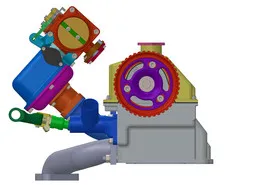
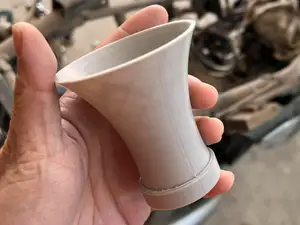
Cold intake VW skoda/audi gen2 1.8/2.0
MakerWorld
This collection gathers 3D-printable intake parts for VW and closely related engines, from cold air ducts and manifolds to sensor housings and service tools. It is useful when a stock part is hard to find or when you want to adjust routing, diameter or mounting for a build. Each entry is an STL or a similar model file prepared for 3D printing. Polyzon does not confirm whether models are free, their price, license, official status, affiliation, safety or fitness. Check the current terms at the source.
Der Text dieser Sammlung ist auf Englisch verfasst; die Suche selbst funktioniert in jeder Sprache.
 Eine Sammlung von Polyzon · 45 Modelle von 6 Plattformen
Polyzon stellt diese Sammlung aus den Suchergebnissen der angebundenen Plattformen zusammen. Dubletten und Modelle ohne Vorschaubild werden entfernt, schwache Treffer rutschen ans Ende, der Rest bleibt in der Reihenfolge der Suche. Die Modelle gehören ihren Urhebern – die Bedingungen findest du auf der Seite des jeweiligen Modells.
Auswahlregeln: Polyzon-Redaktion · Text aktualisiert: 14.10.2026

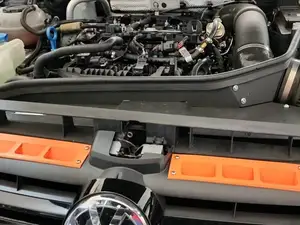
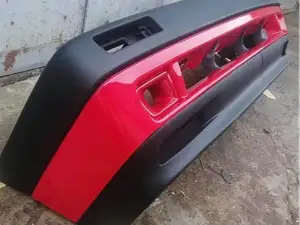

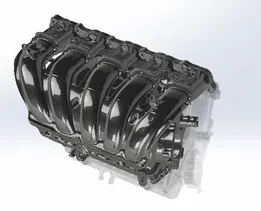


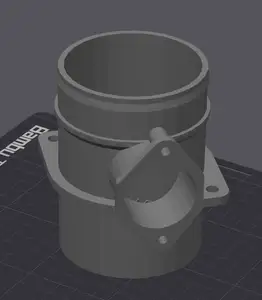






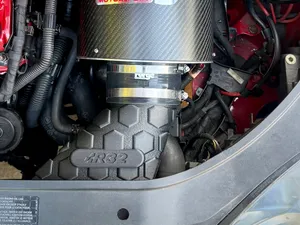


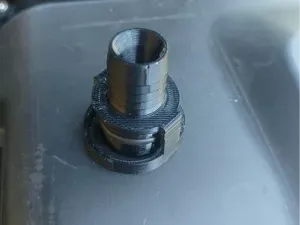
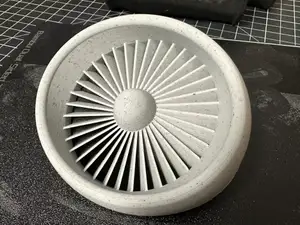
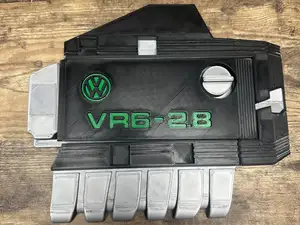

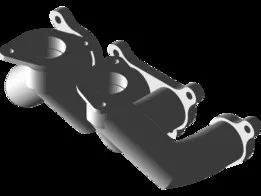
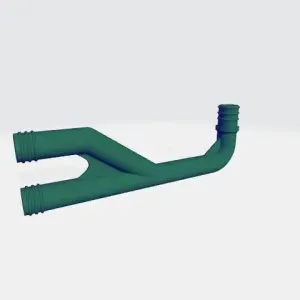
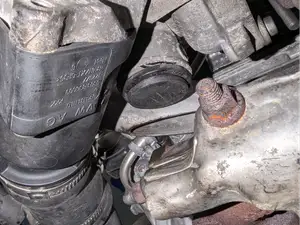


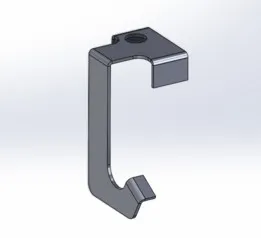


The models fall into a few groups that differ in size and purpose. Ducts and tubes route air from the front of the car to the filter or throttle body, so their shape follows the engine bay rather than a single standard. Manifolds, flanges and spacers sit closer to the head and are defined by bolt patterns and port spacing. Smaller items such as sensor housings, MAF adapters and pipe fittings are dimensional parts, while valve and carbon-cleaning tools are workshop aids rather than parts that stay on the car.
When choosing a model, start with the engine code, model year and body variant the author lists, then compare the stated diameter, flange bolt pattern and overall length with your own part. Check how many pieces the model contains and whether they are meant to be glued, bolted or clamped together, and look at the photos of real prints to judge surface finish and fit around nearby components. For printing, read the material and settings the author gives: parts in the engine bay see heat, vibration and fuel or oil vapour, so wall thickness, layer orientation and the filament used matter more than on a decorative print. Supports depend on the geometry, and internal channels or long overhangs may need splitting before printing.
If the first results look thin, widen the wording. Try synonyms such as cold air intake, CAI, air box, duct, funnel, snorkel, intake boot, plenum, spacer, adapter or MAF housing, and add the engine code or body generation to narrow the list. Related searches that often lead to useful parts include throttle body, air filter housing, intercooler piping, engine bay brackets and engine swap mounts. Combining a part type with a generation or engine family usually returns more precise results than the part name alone.


Der komplette Themenkatalog – von Wohnen & Haushalt bis CNC, mit Suche auf allen angebundenen Plattformen.