
Kostenlos 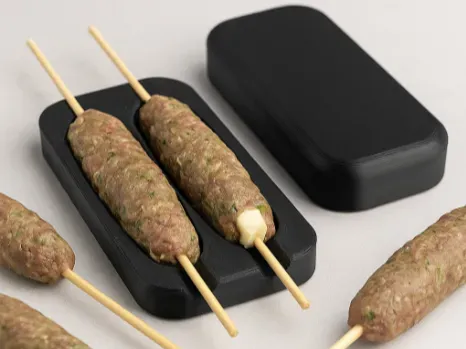
Kofta Kebab Mold
MakerWorld
This collection gathers kebab-themed 3D models: molds and presses for shaping minced meat, skewer holders, small grill parts, keychains and kitchen or street-stand scenes. Most files are made for 3D printing at home, so you can pick a practical kitchen helper or a decorative piece. The list mixes food-preparation tools with stylized props, which makes it useful for both cooking-related prints and display projects. Polyzon does not confirm whether models are free, their price, license, official status, affiliation, safety or fitness. Check the current terms at the source.
Der Text dieser Sammlung ist auf Englisch verfasst; die Suche selbst funktioniert in jeder Sprache.
 Eine Sammlung von Polyzon · 48 Modelle von 7 Plattformen
Polyzon stellt diese Sammlung aus den Suchergebnissen der angebundenen Plattformen zusammen. Dubletten und Modelle ohne Vorschaubild werden entfernt, schwache Treffer rutschen ans Ende, der Rest bleibt in der Reihenfolge der Suche. Die Modelle gehören ihren Urhebern – die Bedingungen findest du auf der Seite des jeweiligen Modells.
Auswahlregeln: Polyzon-Redaktion · Text aktualisiert: 13.10.2026
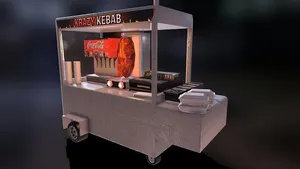


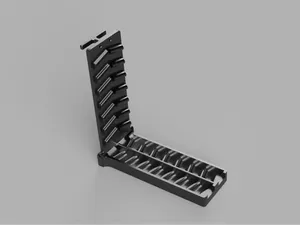
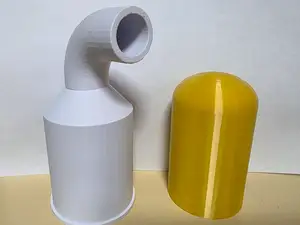


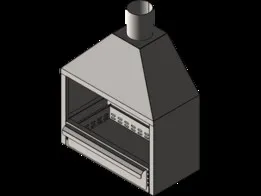
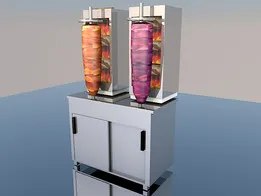

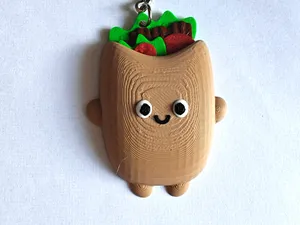
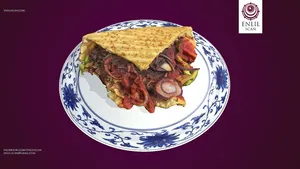
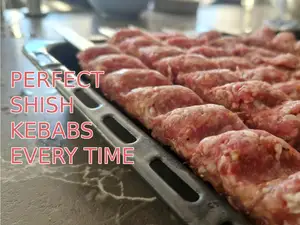


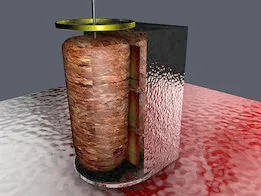
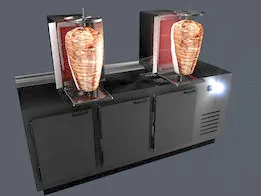
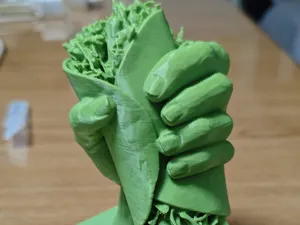
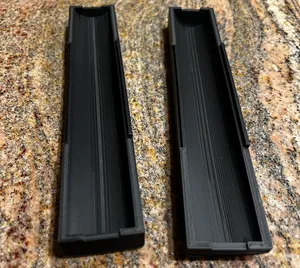

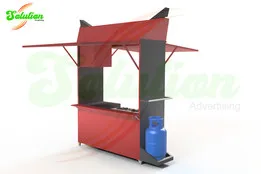



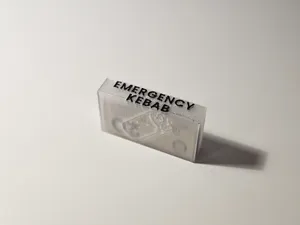

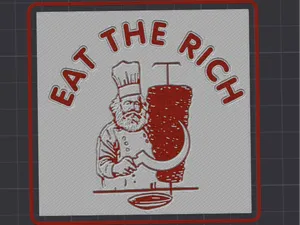


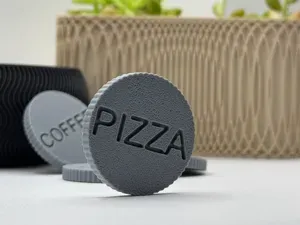
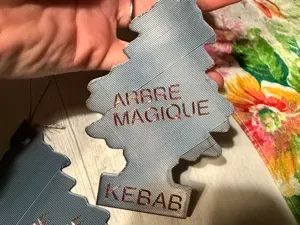
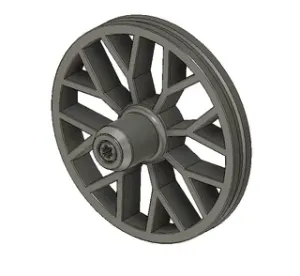

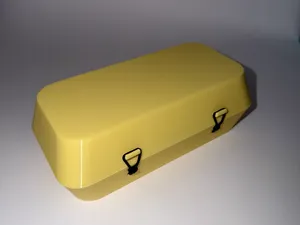
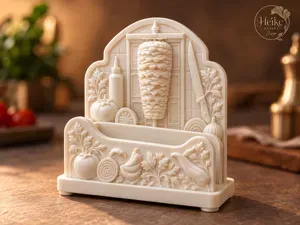
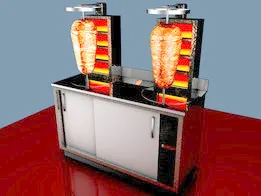
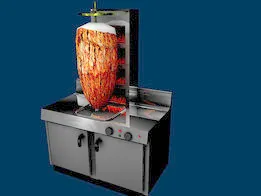
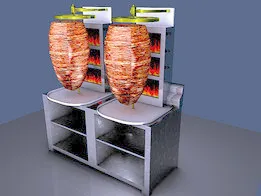
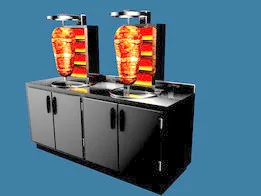
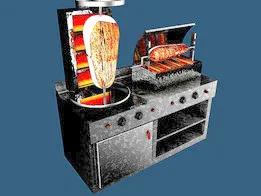
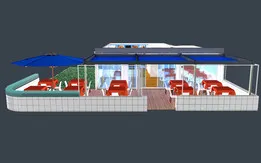
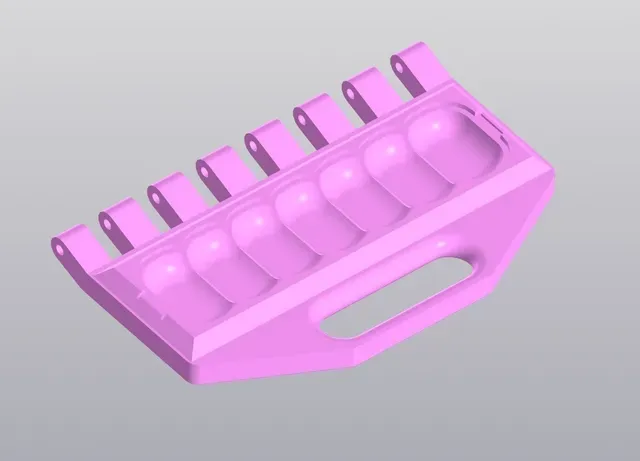
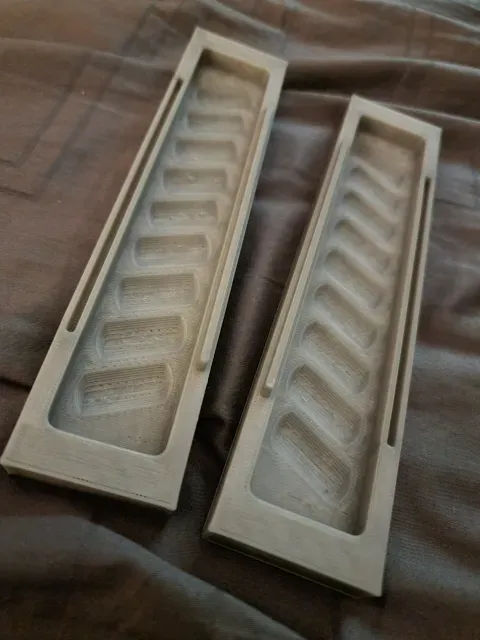
The practical end of the collection is dominated by molds and presses that shape kofta, shish and similar minced-meat portions into even pieces. They differ mainly in the shape they produce, the number of cavities and whether they are built as a single body or as two halves that clamp together. Alongside them sit skewer guides, small tabletop grill parts and stands that hold food while it cooks.
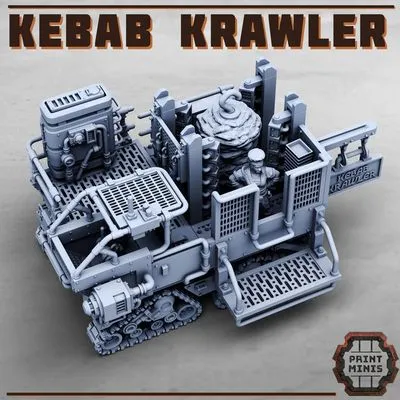
Decorative items follow a different logic: keychains, miniature kebab figures and diorama-style stands that reproduce a counter, a rotisserie or a whole street-food unit. These are usually assembled from several parts, so the model page is worth reading for part count, joinery and the orientation the author recommends. Game-inspired props belong here too, and they often need more post-processing than a plain mold.
Before printing, check the size and scale on the author's page, since a mold sized for one portion will not match a larger press. Look at the wall thickness, the number of parts, whether supports are needed and how the pieces are joined. The material and settings the author lists matter as well: food-contact items are usually printed in a different filament than display pieces. Photos of real prints show how the surfaces and fits come out.
If the results feel narrow, try related wording: kofta, doner, shish, skewer, grill, rotisserie, barbecue, street food stand, kitchen diorama or miniature food. Searching by function rather than by dish name, such as meat mold, skewer holder or kebab press, often brings up models that the dish name alone misses.



Der komplette Themenkatalog – von Wohnen & Haushalt bis CNC, mit Suche auf allen angebundenen Plattformen.