Kostenlos 
Lithophane Lamp Structure
Thingiverse
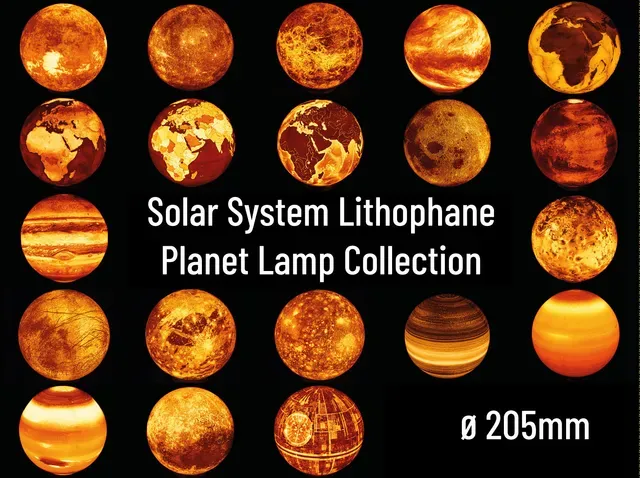
A lithophane is a thin printed panel whose thickness varies so that an image appears when light passes through it. This collection gathers lithophane 3D models in several forms: flat panels in frames, curved lamp shades, boxes with a built-in light, and spherical ornaments. It is useful if you want a 3D printing project that ends in a picture rather than an object, and you can start from an existing STL or from a generator that converts your own photo. Polyzon does not confirm whether models are free, their price, license, official status, affiliation, safety or fitness. Check the current terms at the source.
Der Text dieser Sammlung ist auf Englisch verfasst; die Suche selbst funktioniert in jeder Sprache.
 Eine Sammlung von Polyzon · 48 Modelle von 5 Plattformen
Polyzon stellt diese Sammlung aus den Suchergebnissen der angebundenen Plattformen zusammen. Dubletten und Modelle ohne Vorschaubild werden entfernt, schwache Treffer rutschen ans Ende, der Rest bleibt in der Reihenfolge der Suche. Die Modelle gehören ihren Urhebern – die Bedingungen findest du auf der Seite des jeweiligen Modells.
Auswahlregeln: Polyzon-Redaktion · Text aktualisiert: 10.10.2026


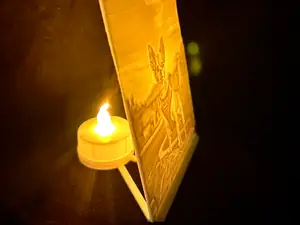

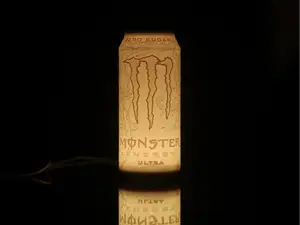


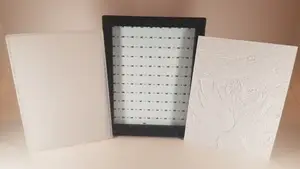

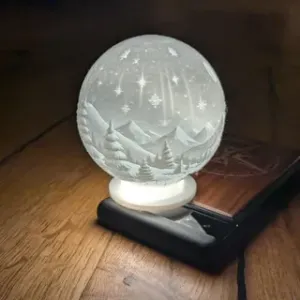


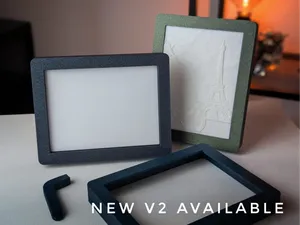


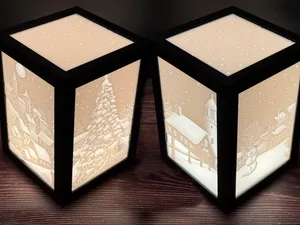
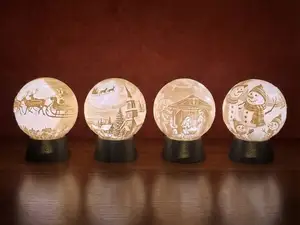


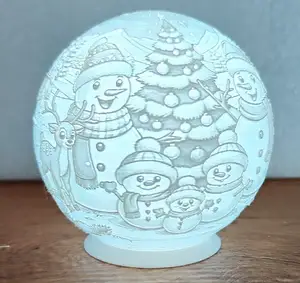


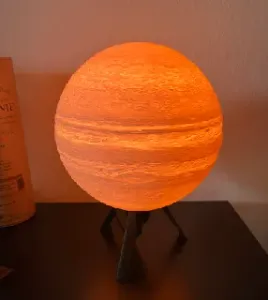


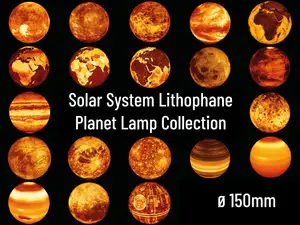

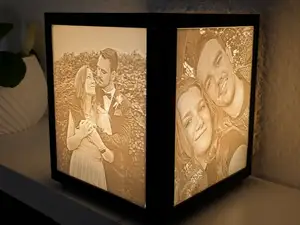


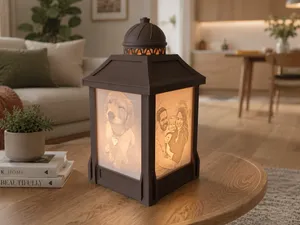

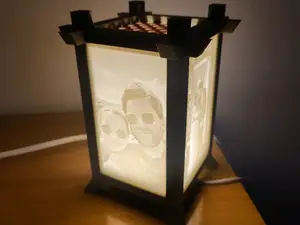
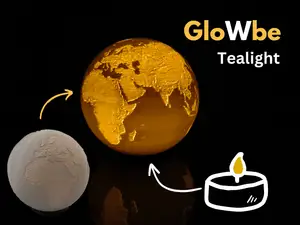

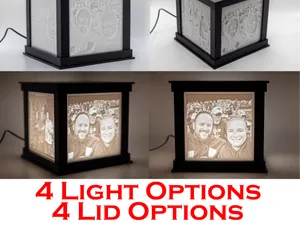


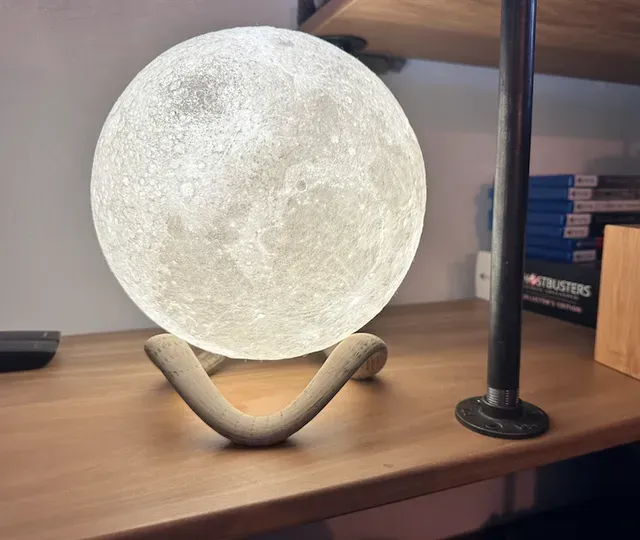
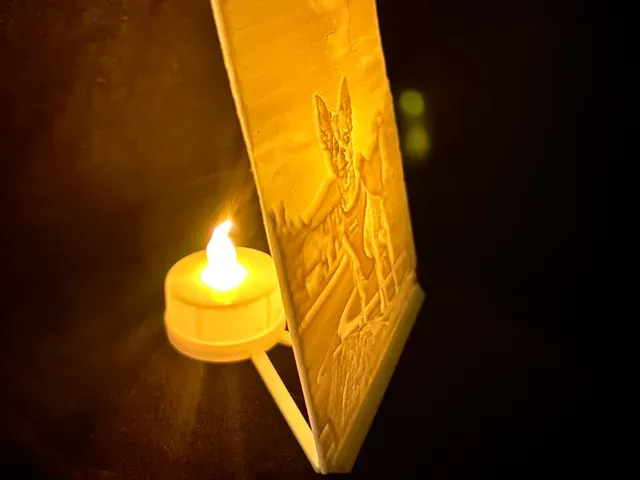
The models here differ mainly in how the image is carried and lit. Flat panels sit in a frame, holder or light box and are usually backlit by an LED strip or a small USB lamp. Curved versions wrap the image around a cylinder or sphere, which spreads the light and changes how the picture reads from the side. Some designs are lamps in their own right, with a printed stand or shade, while others are decorative pieces such as ornaments or seasonal shapes where the lithophane is one part of a larger assembly.
When choosing a model, open the author's page and look at what is actually specified. Check the finished size and scale, since a panel that is too large or too thin can be awkward to print and to light. Read the number of parts, how they join, and whether the geometry needs supports. Look at the layer height, wall thickness and material the author lists, and at photos of real prints rather than renders only, because translucency depends heavily on those choices.
For a good result, print the panel vertically so the thickness changes across the layer plane, and keep layers thin; many makers use values well below 0.2 mm. White or natural PLA is common because it diffuses light evenly, and a steady, even backlight matters more than a bright one. If you want to widen the search, try synonyms such as lithopane, photo lamp, light box or night light, and related terms like lampshade, frame, holder, tealight stand or ornament. Combining a subject word with a format word, for example a planet with a lamp or a portrait with a frame, usually narrows the results fastest.



Der komplette Themenkatalog – von Wohnen & Haushalt bis CNC, mit Suche auf allen angebundenen Plattformen.