
Kostenlos 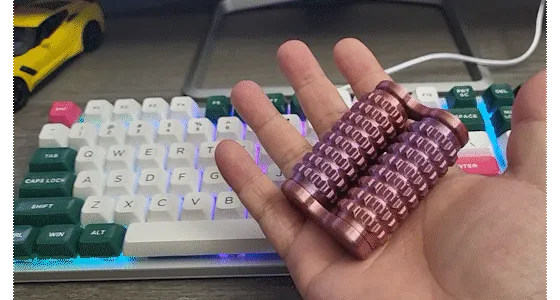
Massage Roller (Fully printed)
MakerWorld
This collection gathers 3D models for massage aids: rollers for feet and legs, handheld pressure tools, textured balls and pieces for the head or neck. Most are small objects that fit a desktop 3D printer and can be split into several parts. It is a useful starting point if you want to adapt a shape to your own hand size or to a specific area of the body. Polyzon does not confirm whether models are free, their price, license, official status, affiliation, safety or fitness. Check the current terms at the source.
Der Text dieser Sammlung ist auf Englisch verfasst; die Suche selbst funktioniert in jeder Sprache.
 Eine Sammlung von Polyzon · 48 Modelle von 5 Plattformen
Polyzon stellt diese Sammlung aus den Suchergebnissen der angebundenen Plattformen zusammen. Dubletten und Modelle ohne Vorschaubild werden entfernt, schwache Treffer rutschen ans Ende, der Rest bleibt in der Reihenfolge der Suche. Die Modelle gehören ihren Urhebern – die Bedingungen findest du auf der Seite des jeweiligen Modells.
Auswahlregeln: Polyzon-Redaktion · Text aktualisiert: 12.10.2026

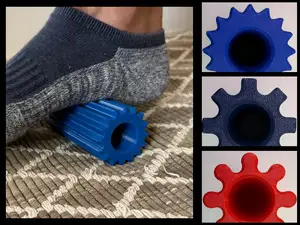
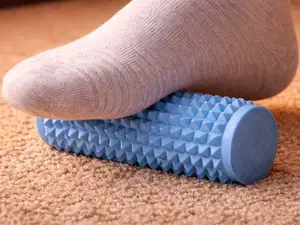
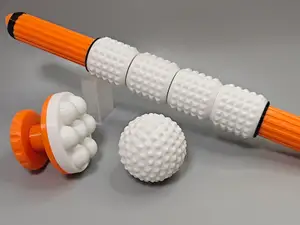
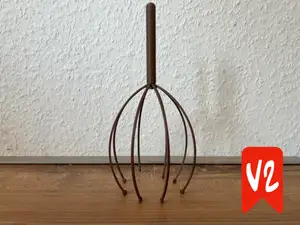

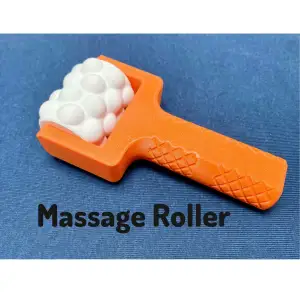
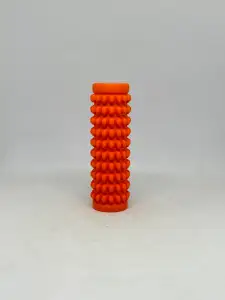
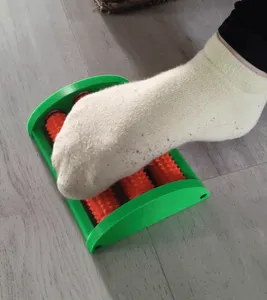
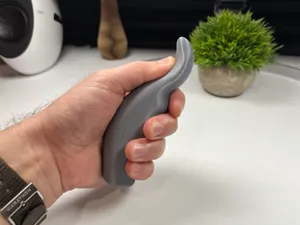

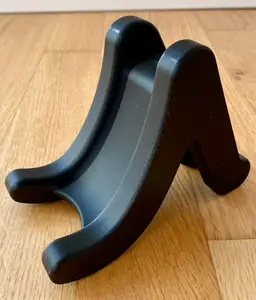
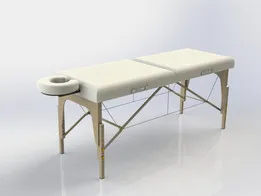
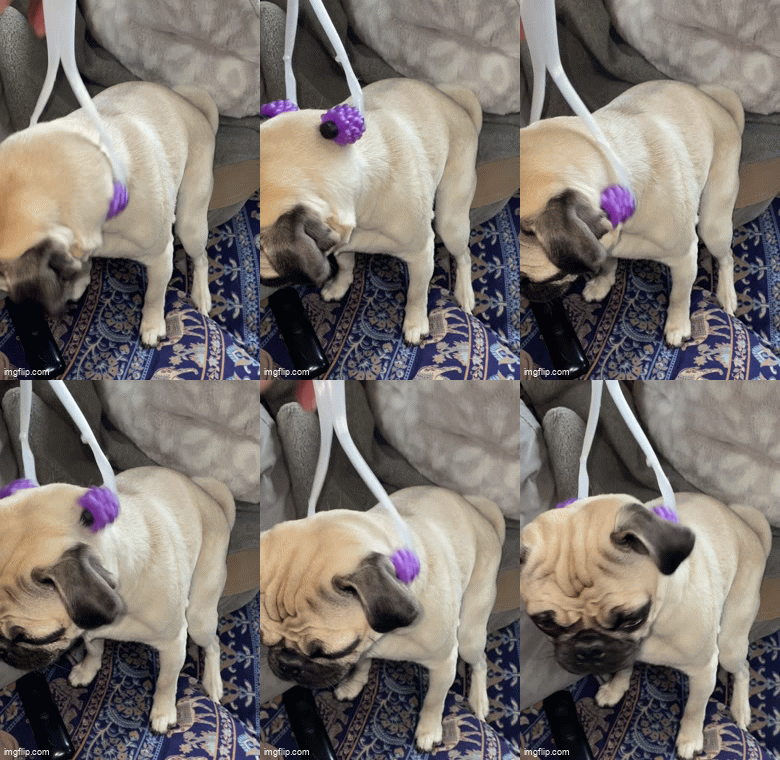
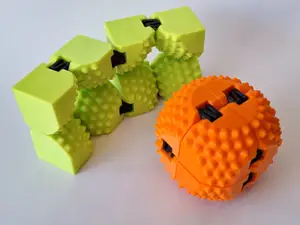


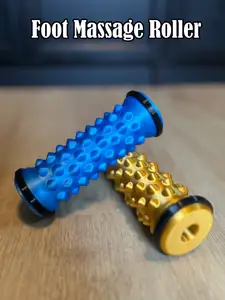

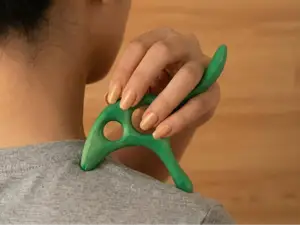

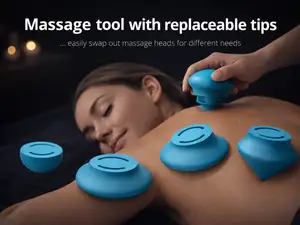
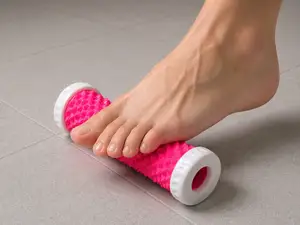

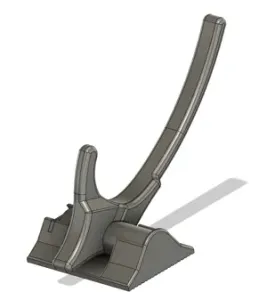

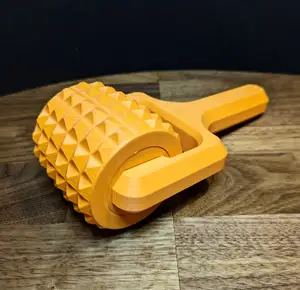

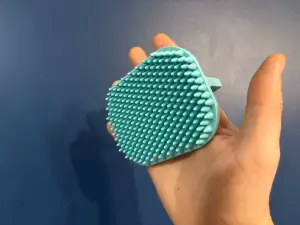
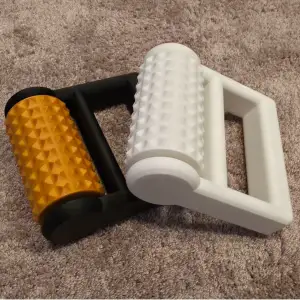

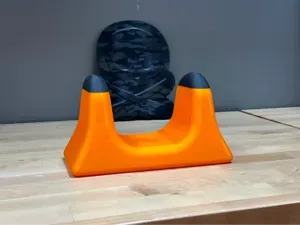
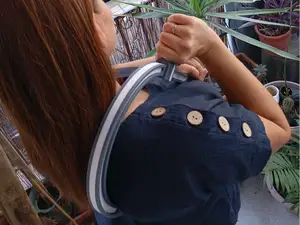
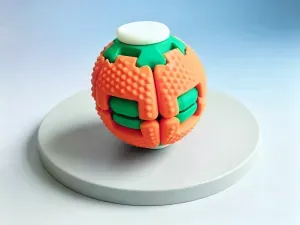


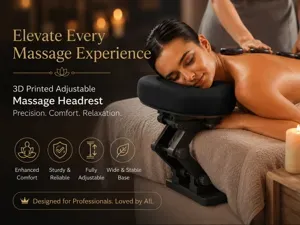
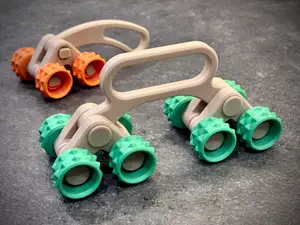
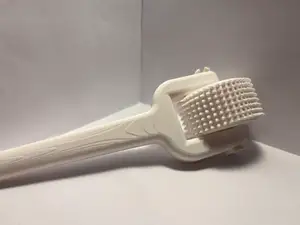


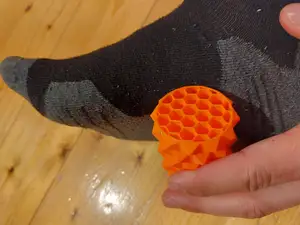

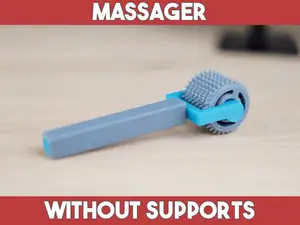
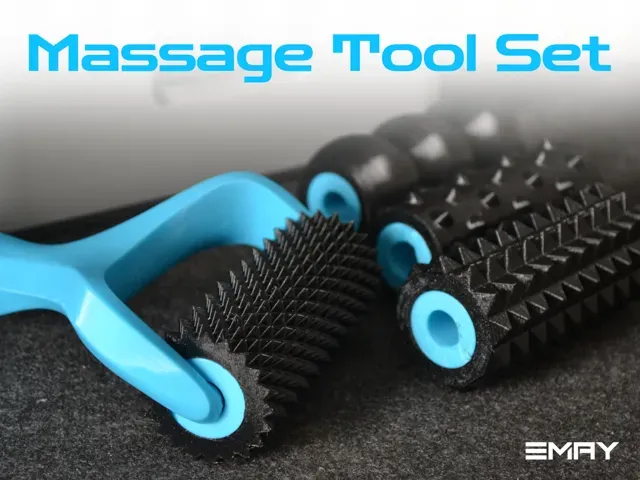
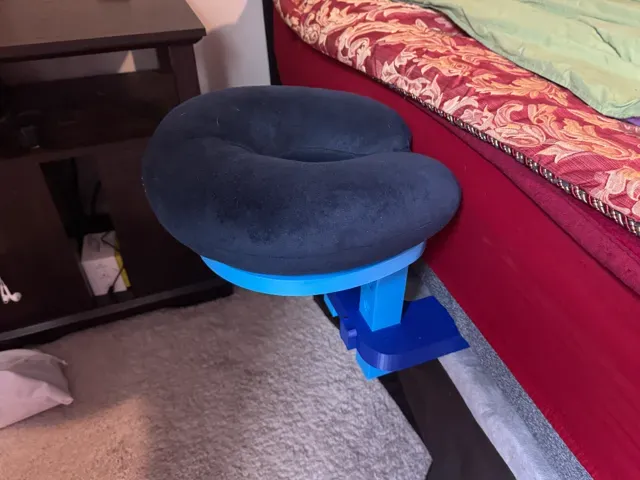
The range splits into a few practical groups. Rollers are usually cylindrical, sometimes printed in place, and differ mainly in diameter, length and surface texture. Handheld tools and pressure-point pieces are smaller and shaped around a thumb or palm, while balls come with spikes, ridges or smooth surfaces. Head and neck items tend to be curved or hooked, and support furniture such as headrests or tables is made of larger, multi-part assemblies.
When choosing a model, look at the dimensions and scale first, since a roller that is too wide or a handle that is too thick changes how the tool feels in use. Check how many parts the author lists, whether they are joined by pins, threads or glue, and whether the geometry needs supports. The material matters as well: rigid filaments hold a sharp edge on textured surfaces, while softer ones flex under pressure. Photos of real prints on the model page show how the surface actually comes out.
To widen the search, try related wording such as roller, myofascial, trigger point, plantar, neck or back, and combine it with terms like handheld or print-in-place. Naming the body area instead of the object often brings up different results. If a model is close but not exact, look at remixes and variants of the same shape, and check the author's other uploads for matching sizes.


Der komplette Themenkatalog – von Wohnen & Haushalt bis CNC, mit Suche auf allen angebundenen Plattformen.