Kostenlos 
Soldering Plate Mold
Thingiverse
This collection brings together 3D models for plate molds and casting forms, from box-like concrete and plaster molds to silicone housings and food presses. Such files are useful when you need a reusable shape, a master pattern or a mold body for 3D printing. The list mixes casting, pressing and folding designs, so the first step is deciding which of those you actually need. Polyzon does not confirm whether models are free, their price, license, official status, affiliation, safety or fitness. Check the current terms at the source.
Der Text dieser Sammlung ist auf Englisch verfasst; die Suche selbst funktioniert in jeder Sprache.
 Eine Sammlung von Polyzon · 48 Modelle von 4 Plattformen
Polyzon stellt diese Sammlung aus den Suchergebnissen der angebundenen Plattformen zusammen. Dubletten und Modelle ohne Vorschaubild werden entfernt, schwache Treffer rutschen ans Ende, der Rest bleibt in der Reihenfolge der Suche. Die Modelle gehören ihren Urhebern – die Bedingungen findest du auf der Seite des jeweiligen Modells.
Auswahlregeln: Polyzon-Redaktion · Text aktualisiert: 15.10.2026


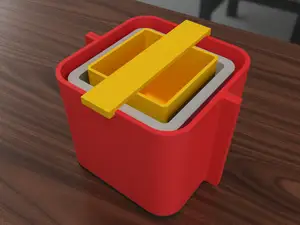


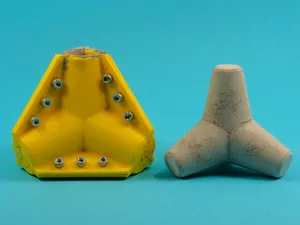


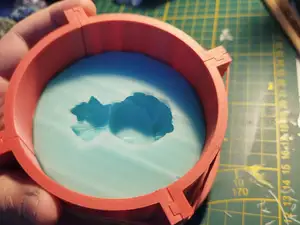

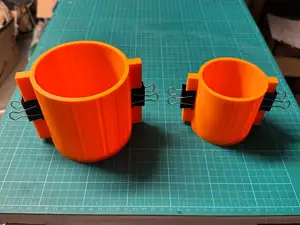


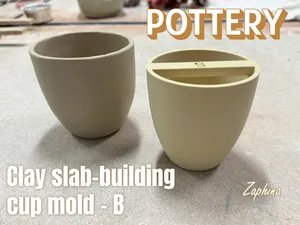


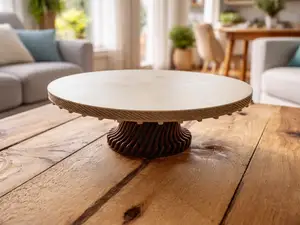

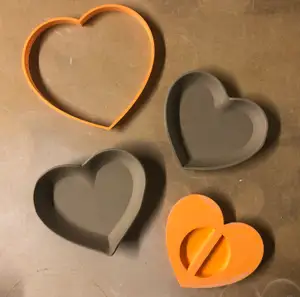
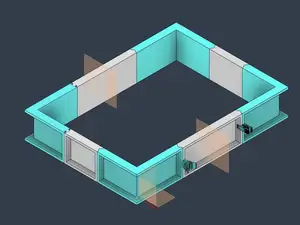


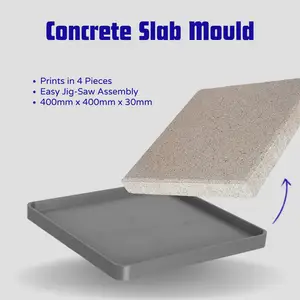


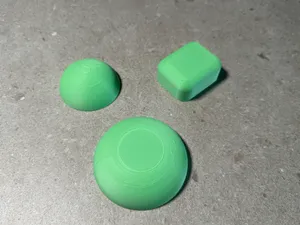


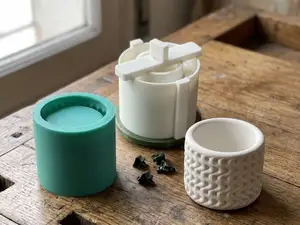

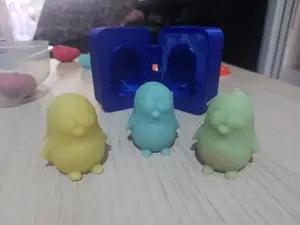
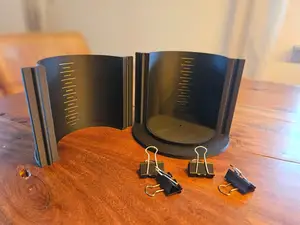

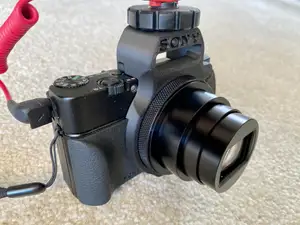
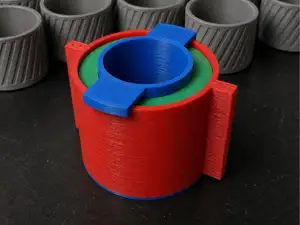




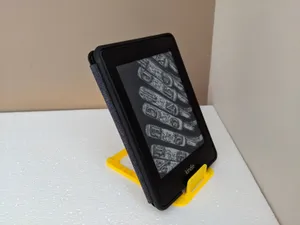


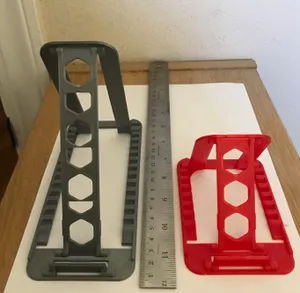
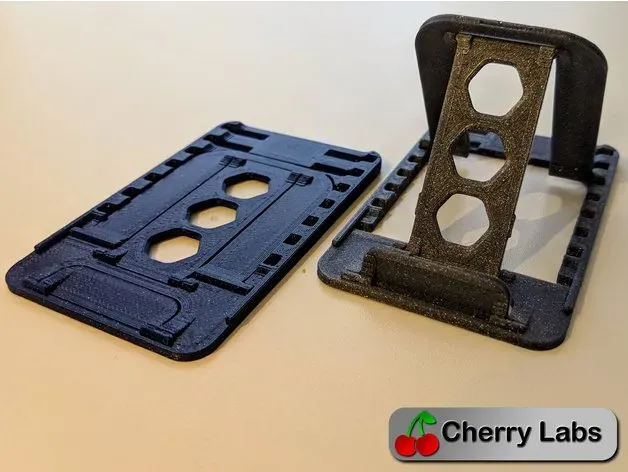
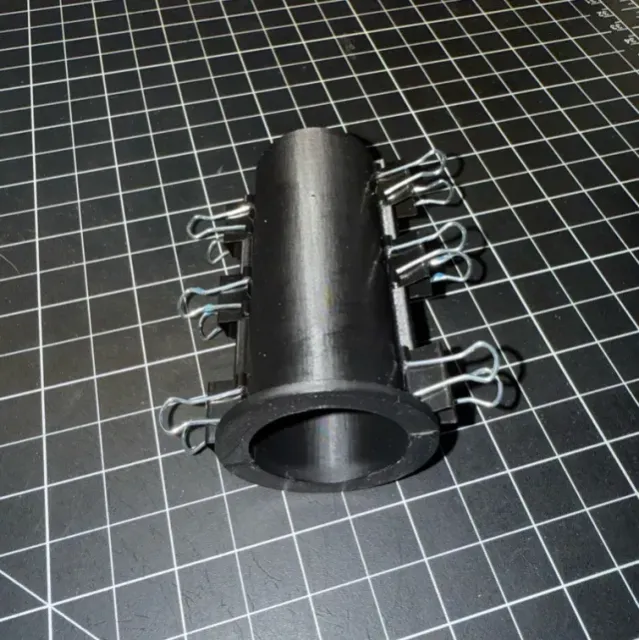
The files fall into a few groups. Open casting molds and boxes are meant to be filled with concrete, plaster or resin, while silicone molds and housings are printed as a shell that holds a poured silicone block. Food presses and shapers work by clamping or pressing a soft mass into a plate or flat round shape. A separate group is made of print-in-place parts, where a plate, stand or folding element comes off the bed already moving.
When choosing, open the author's model page and read what is listed there: overall size and scale, wall thickness, number of parts and how they join, and whether the geometry needs supports. For casting molds, look at how the mold opens, where the pour opening sits and whether the model is meant to be a one-piece shell or a two-part assembly. Material and print settings matter too, since a thin mold wall behaves differently from a thick block, and photos of real casts show more than a render.
To narrow the results, try synonyms and related wording: casting mold, casting form, silicone mold, resin mold, plaster mold, concrete form, press, shaper, plate form. Adding the intended material or the shape you want, such as round, square or slab, usually cuts the list faster than browsing. Related topics worth checking are print-in-place mechanisms, clay slab tools and kitchen presses, since the same plate geometry appears under those names.




Der komplette Themenkatalog – von Wohnen & Haushalt bis CNC, mit Suche auf allen angebundenen Plattformen.