
Kostenlos 
Dr. Brain Breaker
MyMiniFactory
This collection gathers 3D models of the brain in several directions: anatomical replicas, skull-and-brain combinations, puzzles and novelty items. It helps you find a starting point for 3D printing whether you need a study aid or a small desk object. Most entries are STL files that can be scaled and split before printing. Polyzon does not confirm whether models are free, their price, license, official status, affiliation, safety or fitness. Check the current terms at the source.
Der Text dieser Sammlung ist auf Englisch verfasst; die Suche selbst funktioniert in jeder Sprache.
 Eine Sammlung von Polyzon · 48 Modelle von 8 Plattformen
Polyzon stellt diese Sammlung aus den Suchergebnissen der angebundenen Plattformen zusammen. Dubletten und Modelle ohne Vorschaubild werden entfernt, schwache Treffer rutschen ans Ende, der Rest bleibt in der Reihenfolge der Suche. Die Modelle gehören ihren Urhebern – die Bedingungen findest du auf der Seite des jeweiligen Modells.
Auswahlregeln: Polyzon-Redaktion · Text aktualisiert: 10.10.2026

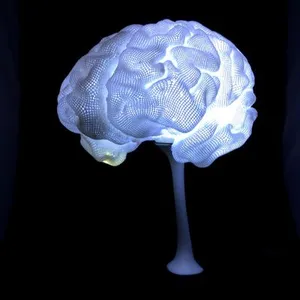

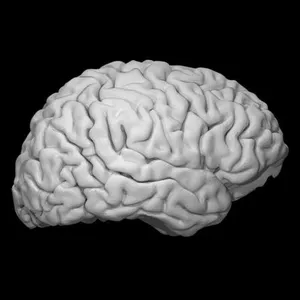


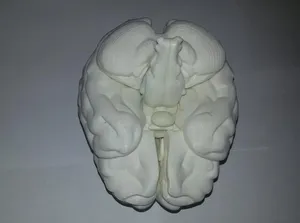
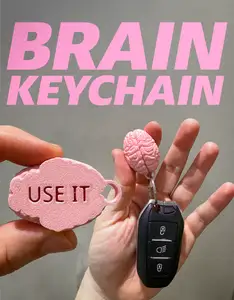


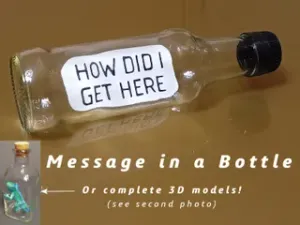
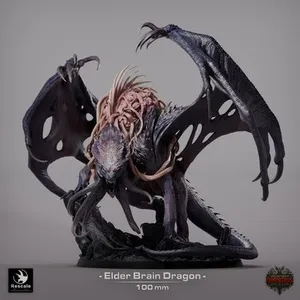
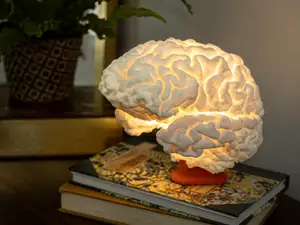
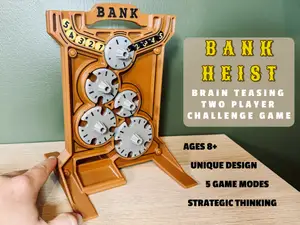


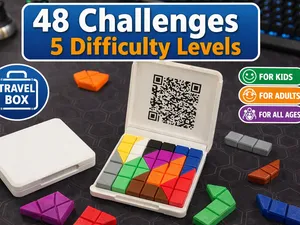

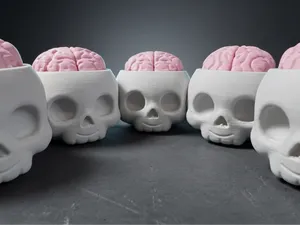

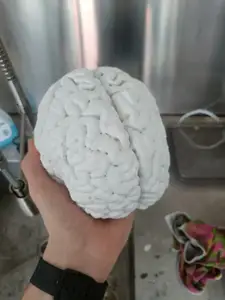
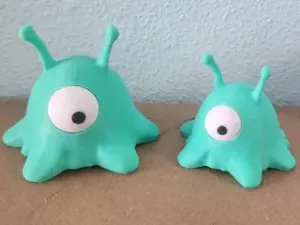
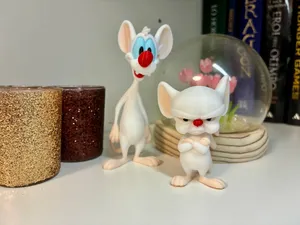


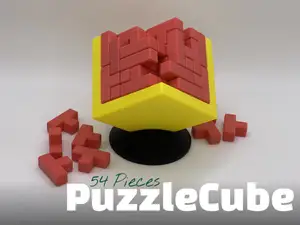

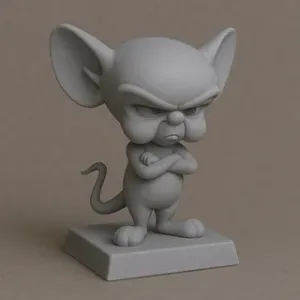
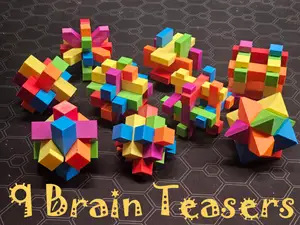
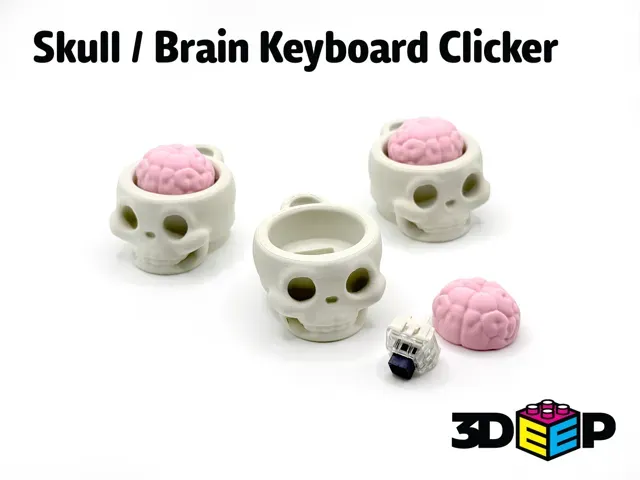
Anatomical models range from compact single-piece shapes to multi-part versions that come apart into hemispheres or lobes. Skull-and-brain sets combine two objects in one file, often as a box or a keychain, while puzzle and teaser designs turn the brain shape into a mechanical riddle. Novelty entries add lighting, wearables or cartoon references, so the same subject covers very different levels of detail.
When choosing a model, look at the size and scale the author lists, the number of parts and how they join, and whether supports are needed for the overhangs. Check the material and settings noted on the model page, since thin folds and small gyri behave differently in resin and in filament. Photos of real prints are the quickest way to judge surface detail and how visible the layer lines will be.
To widen the search, try synonyms such as cerebrum, cortex, skull, head or anatomy, and related terms like puzzle, keychain, lamp or hat. Combining a subject word with a format word, for example brain bust or brain keychain, narrows results faster than a single broad query. Related topics such as neurology, anatomy studies or Halloween props can also lead to models that fit the same purpose.




Der komplette Themenkatalog – von Wohnen & Haushalt bis CNC, mit Suche auf allen angebundenen Plattformen.