
Kostenlos 
Neural network
Thingiverse
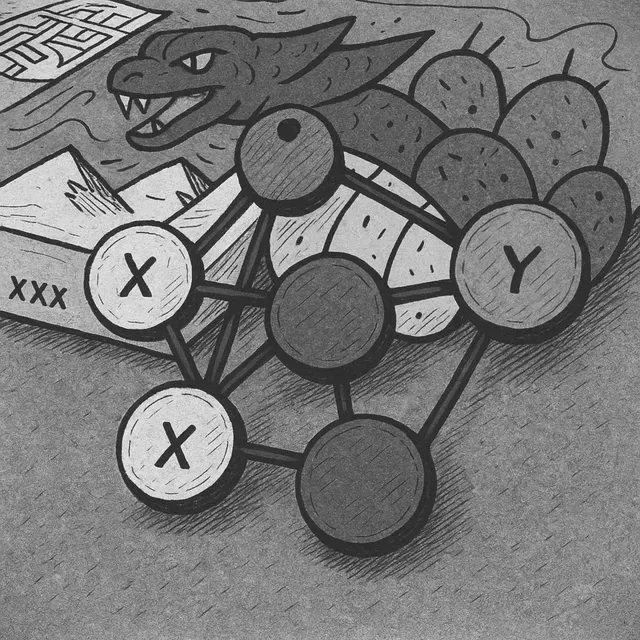
This collection gathers 3D printing files that turn neural network imagery into physical objects: wall panels, keychains, brain studies and small conceptual machines. Most of them are simple geometric shapes, so they work as a first project in graph-like design or as decoration for a desk or a wall. You can browse the STL files by shape, scale and level of detail. Polyzon does not confirm whether models are free, their price, license, official status, affiliation, safety or fitness. Check the current terms at the source.
Der Text dieser Sammlung ist auf Englisch verfasst; die Suche selbst funktioniert in jeder Sprache.
 Eine Sammlung von Polyzon · 43 Modelle von 4 Plattformen
Polyzon stellt diese Sammlung aus den Suchergebnissen der angebundenen Plattformen zusammen. Dubletten und Modelle ohne Vorschaubild werden entfernt, schwache Treffer rutschen ans Ende, der Rest bleibt in der Reihenfolge der Suche. Die Modelle gehören ihren Urhebern – die Bedingungen findest du auf der Seite des jeweiligen Modells.
Auswahlregeln: Polyzon-Redaktion · Text aktualisiert: 14.10.2026


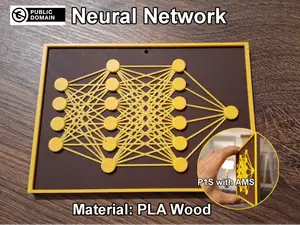


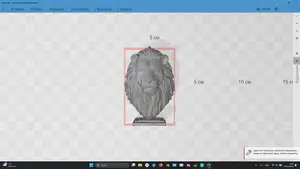
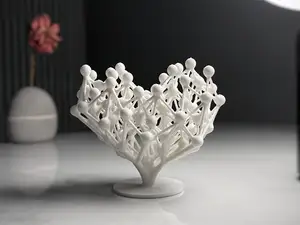


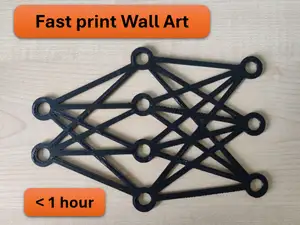


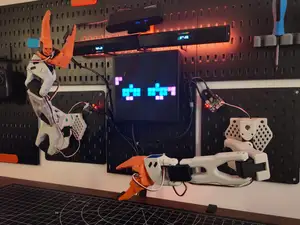


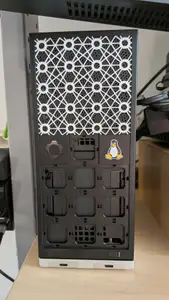


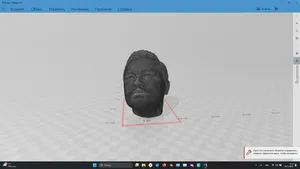
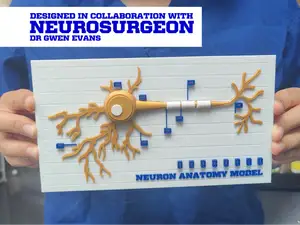


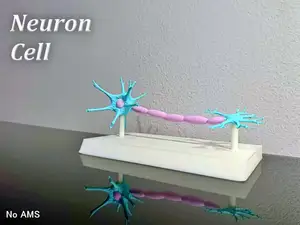

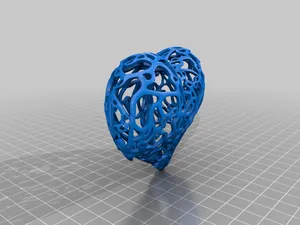

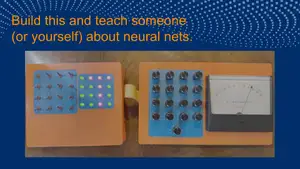
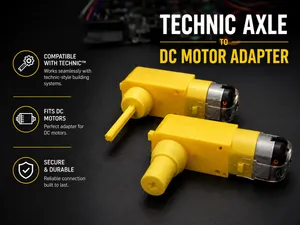

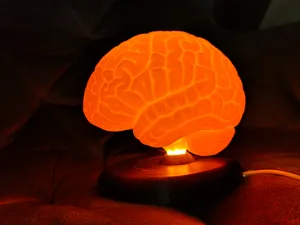


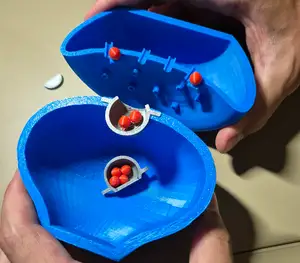
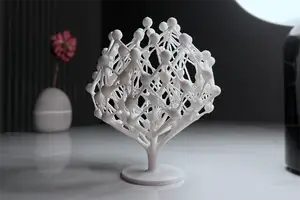
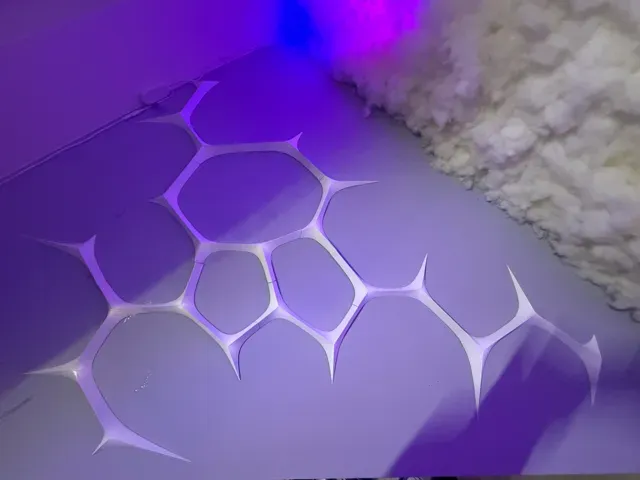
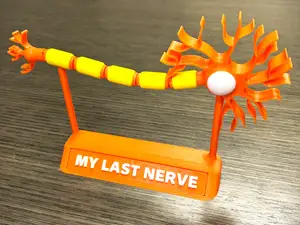
The models fall into a few recognizable groups. Wall pieces usually show nodes connected by straight links, sometimes as a single flat panel and sometimes as a layered or orb-shaped relief. Smaller items such as keychains and logo tokens reduce the same motif to a few centimetres. A separate group looks at biology and engineering: brain and neuron studies, lattice structures that imitate learning behaviour, and desk robots or vision modules that borrow the visual language of artificial intelligence.
Before printing, open the author's model page and read what is listed there. Check the overall size and scale, since wall pieces are often published in several variants and a wide version may not fit the same frame as a tall one. Look at the number of separate parts, how they join, and whether the geometry needs supports on overhanging links or thin branches. The material and settings the author mentions, together with photos of real prints, tell you more about the surface finish than the render does.
If the results feel narrow, try related wording. Searches for neuron, synapse, connectome, brain anatomy or artificial intelligence often surface models that the phrase neural network misses, and terms like machine learning, cyberpunk decor or science wall art lead to neighbouring designs. You can also narrow by object type, for example keychain, lamp, bust or panel, or by the number of layers and nodes you want the shape to show.




Der komplette Themenkatalog – von Wohnen & Haushalt bis CNC, mit Suche auf allen angebundenen Plattformen.