Kostenlos 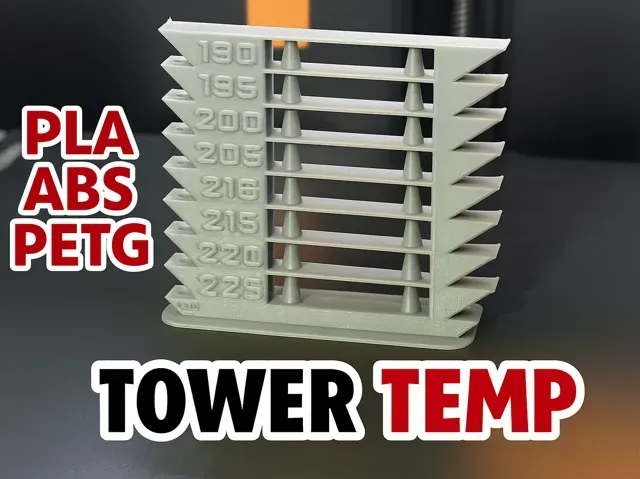
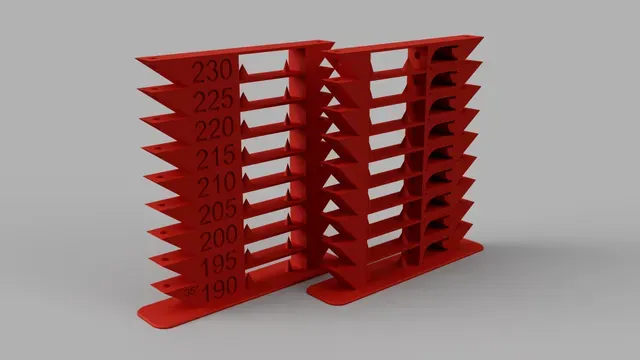
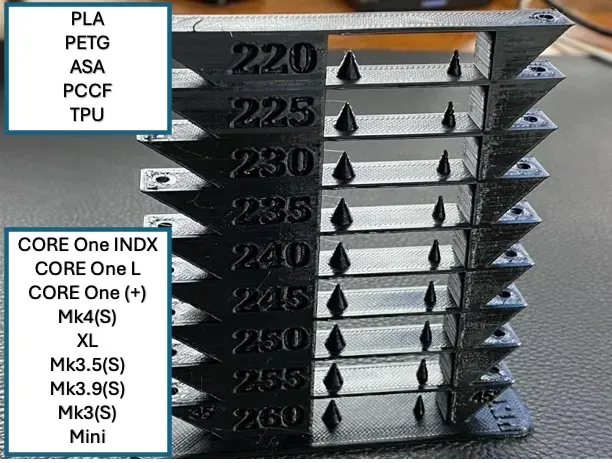
Tower Temp / Temperature Tower Test -PLA-ABS-PETG
MakerWorld
This collection gathers PETG-oriented STL files for calibration tests, functional clamps and organizers, and decorative lighting parts. You can use it to compare how different shapes and wall thicknesses behave when a 3D printer works with PETG. The range helps you find a starting point for tuning temperature, bridging, and surface finish before moving to larger projects. Polyzon does not confirm whether models are free, their price, license, official status, affiliation, safety or fitness. Check the current terms at the source.
Der Text dieser Sammlung ist auf Englisch verfasst; die Suche selbst funktioniert in jeder Sprache.
 Eine Sammlung von Polyzon · 48 Modelle von 5 Plattformen
Polyzon stellt diese Sammlung aus den Suchergebnissen der angebundenen Plattformen zusammen. Dubletten und Modelle ohne Vorschaubild werden entfernt, schwache Treffer rutschen ans Ende, der Rest bleibt in der Reihenfolge der Suche. Die Modelle gehören ihren Urhebern – die Bedingungen findest du auf der Seite des jeweiligen Modells.
Auswahlregeln: Polyzon-Redaktion · Text aktualisiert: 10.10.2026


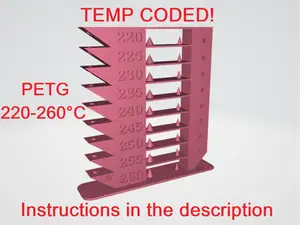


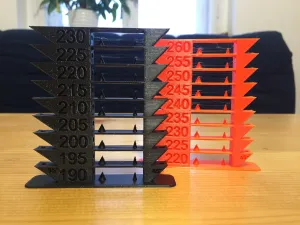




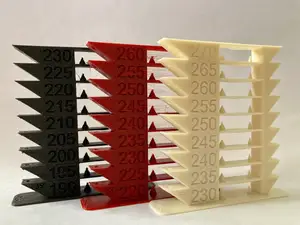
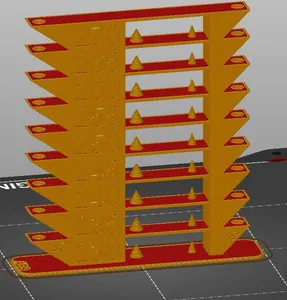


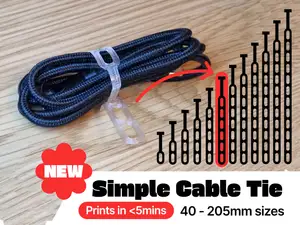
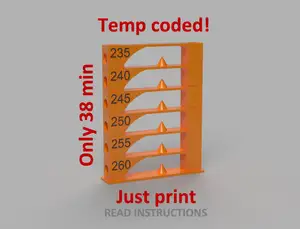

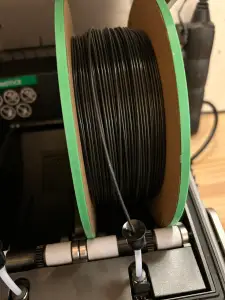

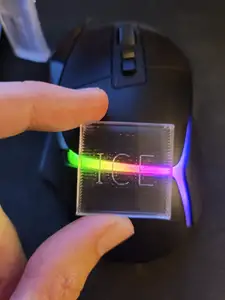

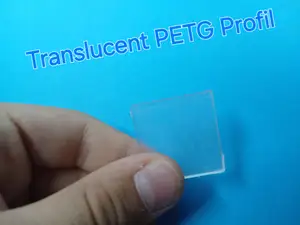

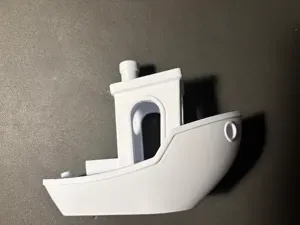
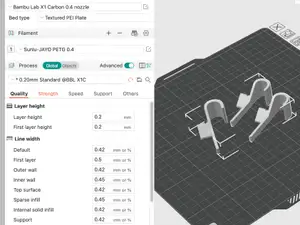

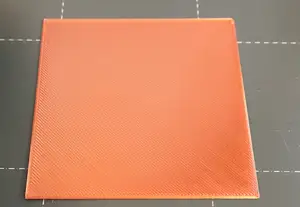

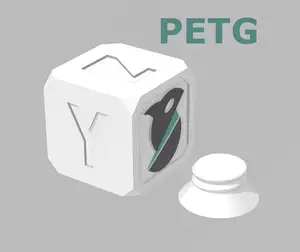


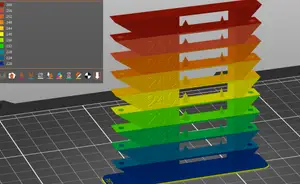

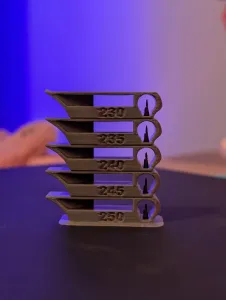
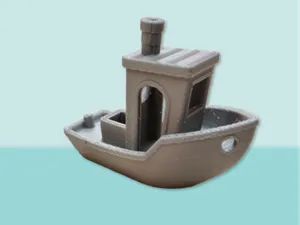
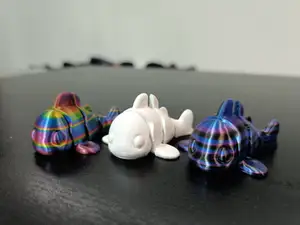
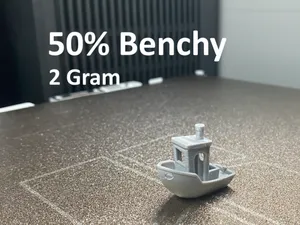

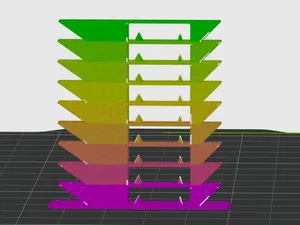


The collection covers several PETG-focused groups: temperature and bridging towers, calibration test prints, clamps and cable organizers, lighting parts, and workshop aids such as bending tools. Temperature towers vary by the temperature range they step through and the printer or slicer profile they are made for. Calibration prints focus on surface quality, dimensional accuracy, or bridging, while clamps and organizers are shaped for practical holding and routing tasks. Lighting and decorative parts often use PETG for translucent or colored shells, and bending tools are designed around heating and shaping filament or tubing.
When choosing a model, open the author's page and check the listed size and scale, the number of parts, and whether assembly is required. Look for notes about supports, layer height, nozzle and bed temperature, and any material-specific settings the author provides. Photos of real prints can show how the part behaves in PETG, especially on overhangs, bridges, and tall sections. If the model is a test tower, confirm that its temperature steps match the range your 3D printer and hotend can handle.
To refine the search, try related terms such as temperature tower, bridging test, calibration cube, clearance test, and retraction test. You can also search by function: clamp, cable organizer, lamp shade, or bending jig. Combining PETG with printer names, nozzle sizes, or slicer names can narrow results to profiles closer to your setup. If a result is too broad, add words like functional, decorative, or test print to separate practical parts from display pieces.



Der komplette Themenkatalog – von Wohnen & Haushalt bis CNC, mit Suche auf allen angebundenen Plattformen.