Kostenlos 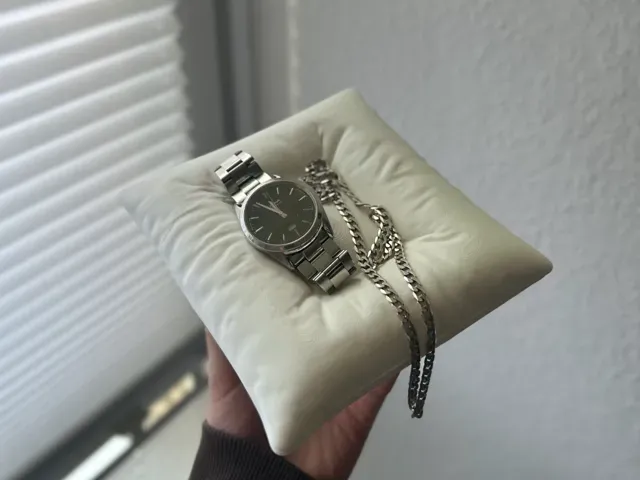
Deko Tablett-Kissen
MakerWorld
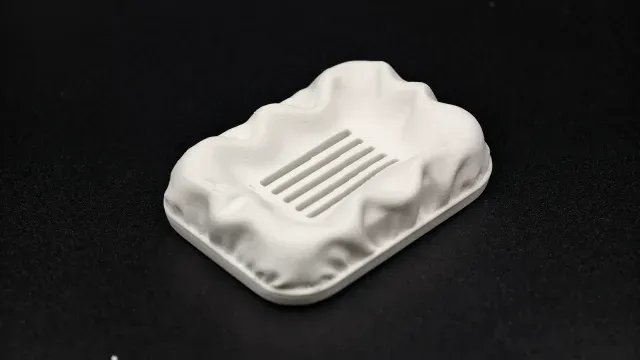
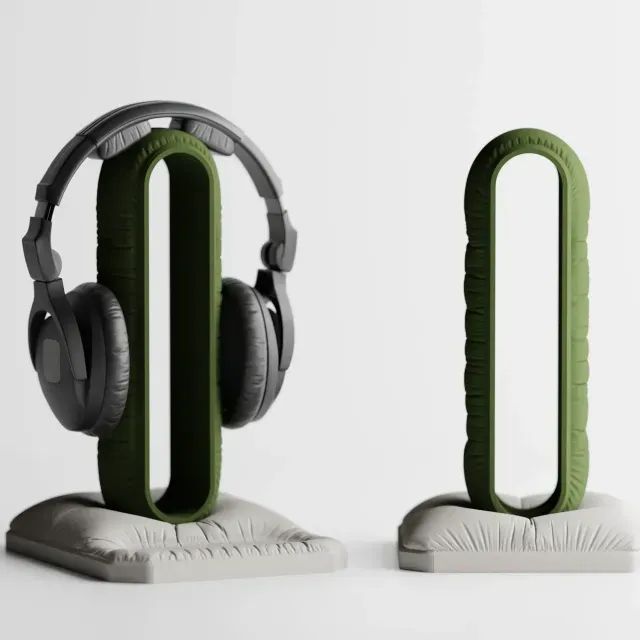
This collection gathers 3D models built around the pillow idea: soft-looking rests for phones, headsets and controllers, cushion-shaped organizers for makeup pads and soap, and neck or massage cushions. Most of them are small enough for a desktop 3D printer and are printed in flexible or semi-flexible filament. It is a useful starting point if you want an STL that combines a familiar soft object with a practical holder or support. Polyzon does not confirm whether models are free, their price, license, official status, affiliation, safety or fitness. Check the current terms at the source.
Der Text dieser Sammlung ist auf Englisch verfasst; die Suche selbst funktioniert in jeder Sprache.
 Eine Sammlung von Polyzon · 40 Modelle von 2 Plattformen
Polyzon stellt diese Sammlung aus den Suchergebnissen der angebundenen Plattformen zusammen. Dubletten und Modelle ohne Vorschaubild werden entfernt, schwache Treffer rutschen ans Ende, der Rest bleibt in der Reihenfolge der Suche. Die Modelle gehören ihren Urhebern – die Bedingungen findest du auf der Seite des jeweiligen Modells.
Auswahlregeln: Polyzon-Redaktion · Text aktualisiert: 15.10.2026
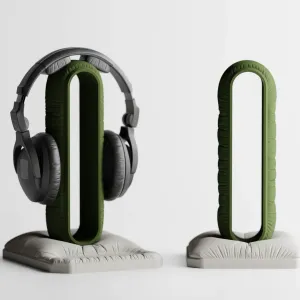

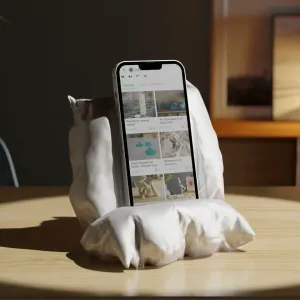
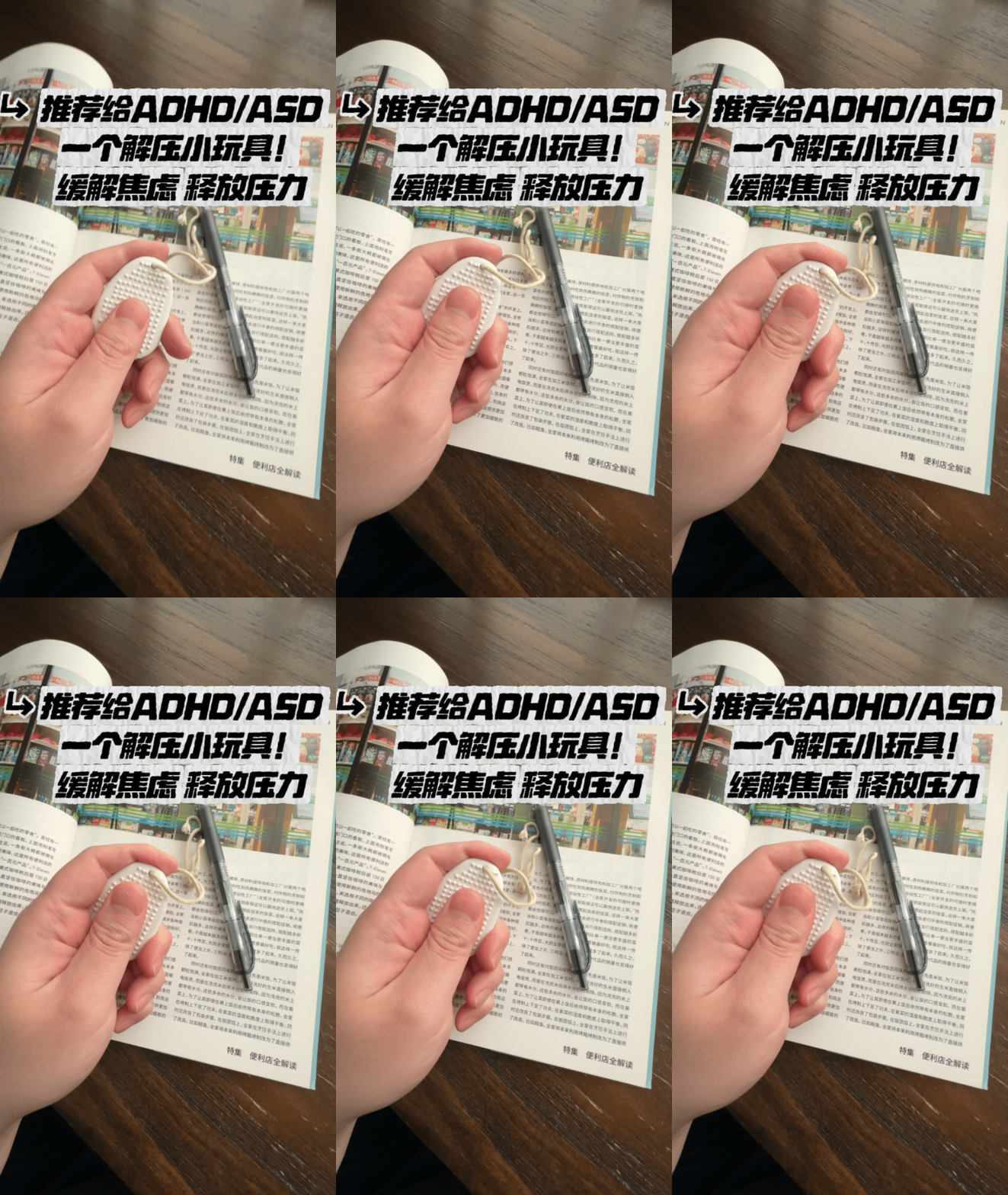
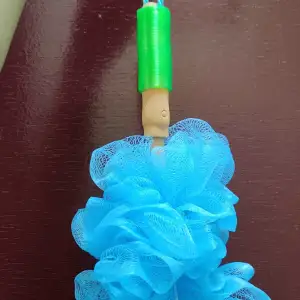
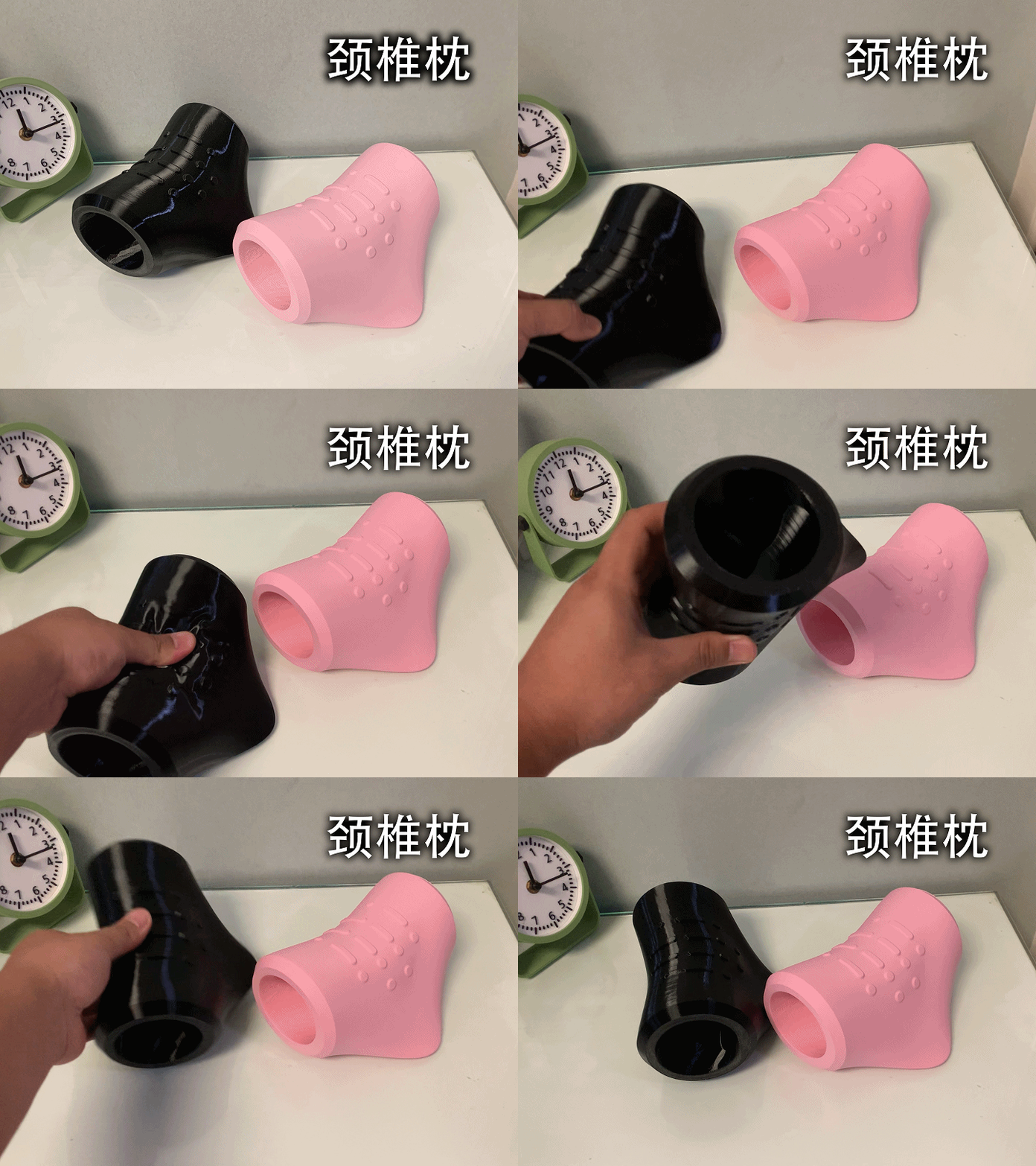
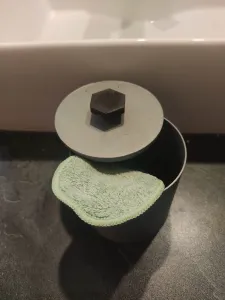
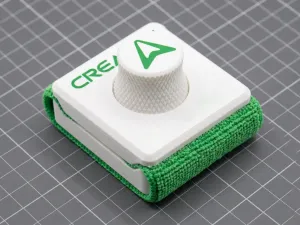
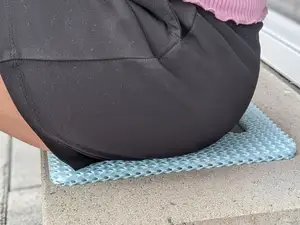

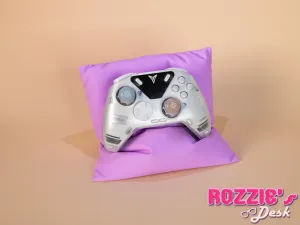
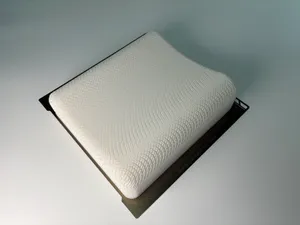
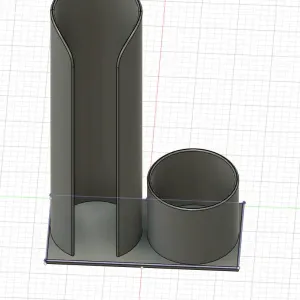
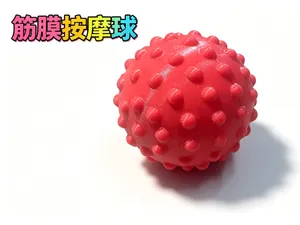

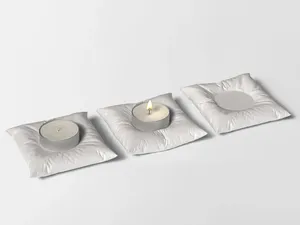
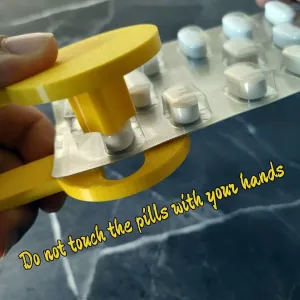
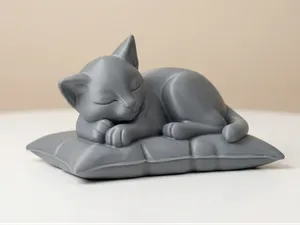
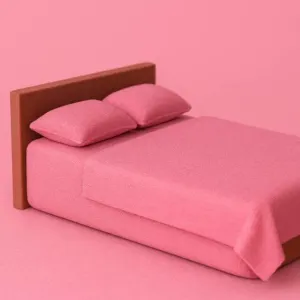
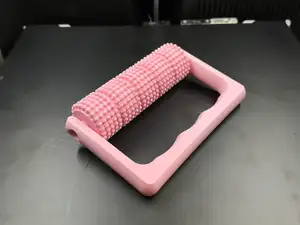
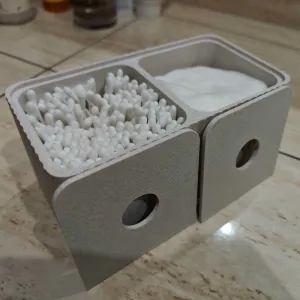
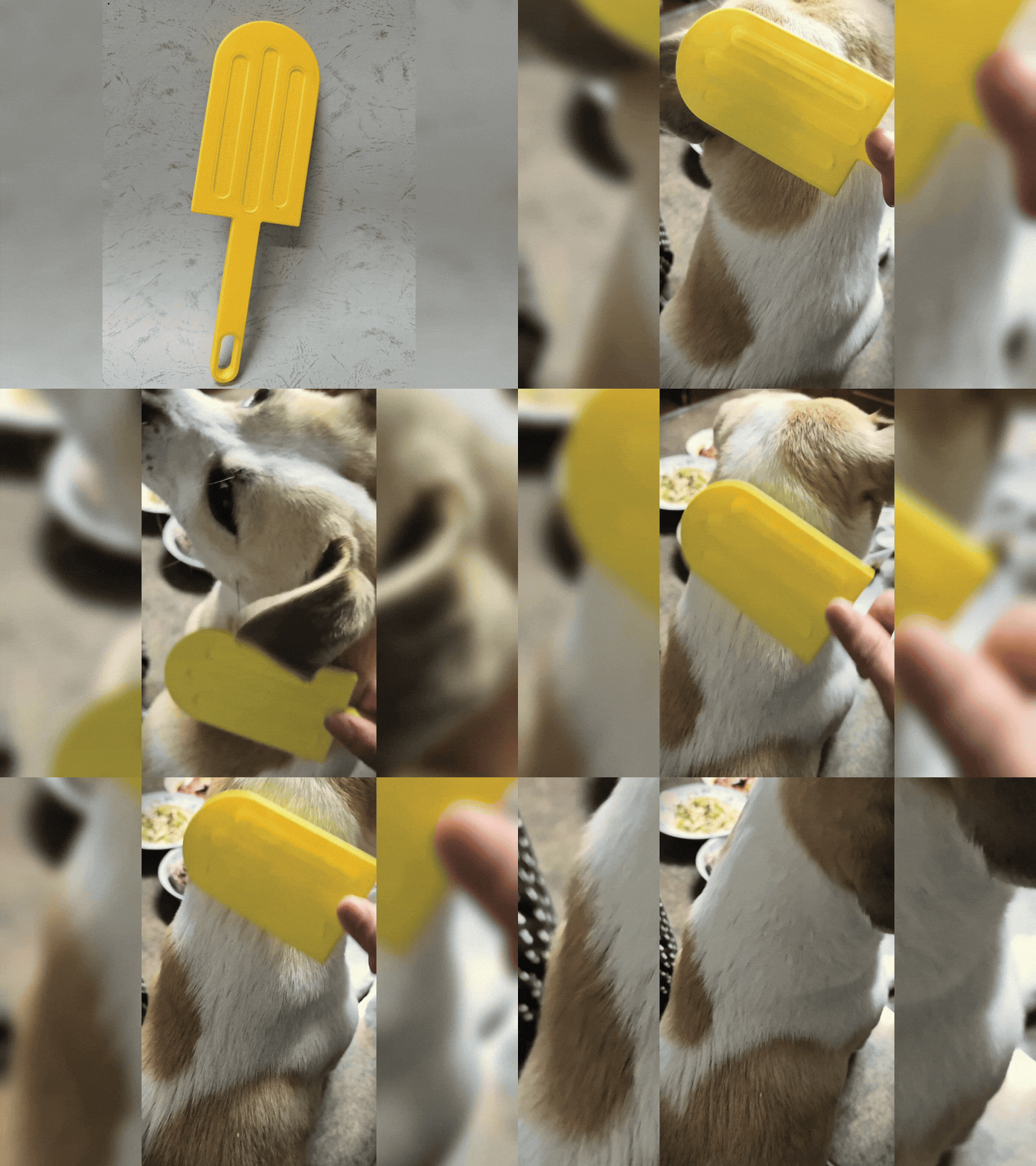
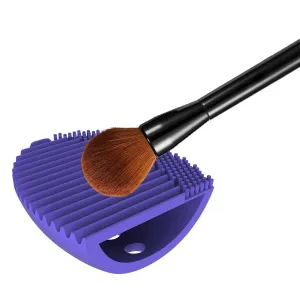


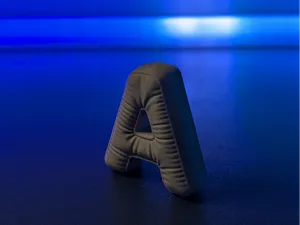
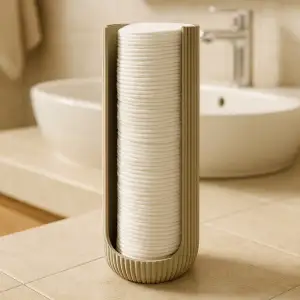
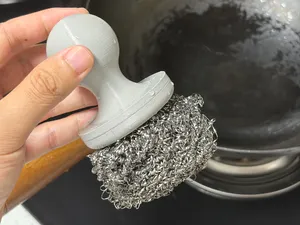
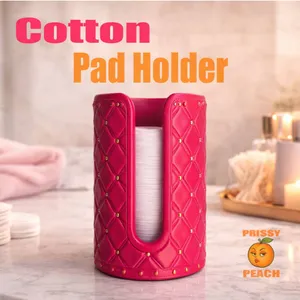
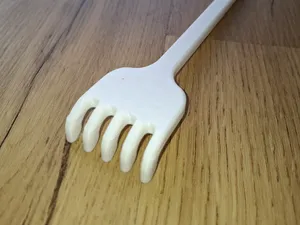

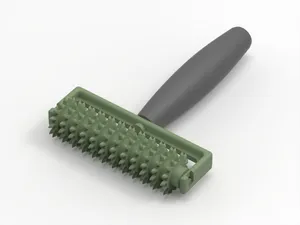
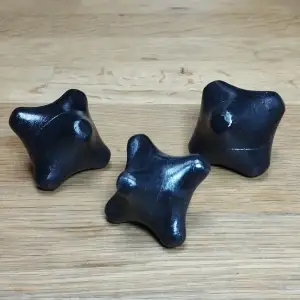
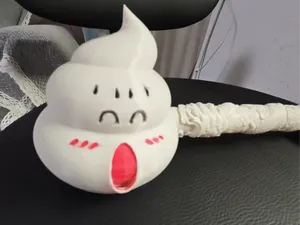
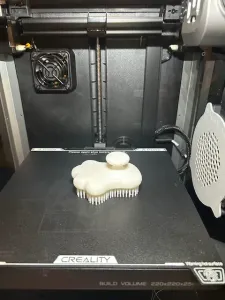
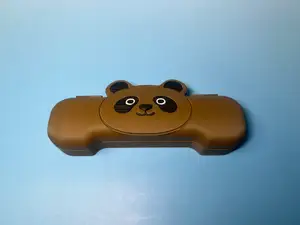
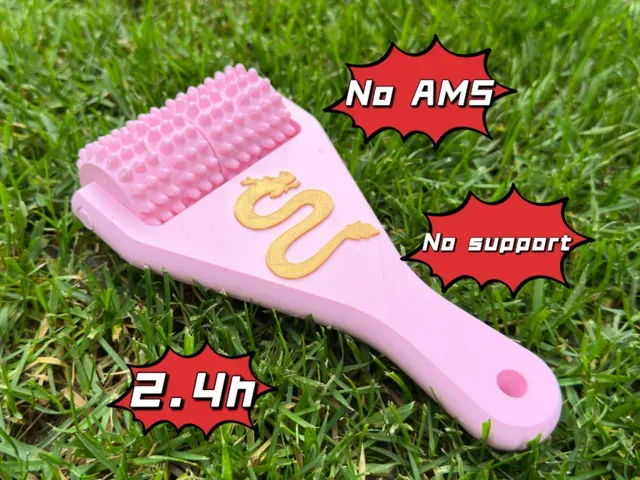
The models differ mainly in what they are meant to hold or support. Device rests keep a phone, headset or controller at an angle on a desk, while cushion-shaped trays and pots store cotton pads, swabs or soap in a bathroom. Wellness items such as neck rolls, massage balls and textured combs follow the same rounded silhouette but are shaped around the body instead. Seat and floor cushions tend to be larger and are often printed with a lattice or grid infill so the surface can compress.
Before printing, look at the size and scale the author lists, since a cushion that fits one phone may be too small for a headset. Check how many parts the model has and whether they are joined with pins, glue or snap fits, and read the notes on supports and orientation, because overhangs on rounded shapes can be awkward. The material and settings matter as well: flexible filaments give a softer feel, while rigid ones hold a shape better, and the author's photos of real prints show how the surface and infill actually come out.
If you want more options, try related wording rather than the same phrase. Searches such as phone stand cushion, headset rest, cotton pad holder, neck roll, massage ball or desk tray often surface models that the pillow term alone misses. You can also narrow by use — bathroom organizer, gaming accessory, sensory aid — or by print style, for example lattice infill or single-piece designs.




Der komplette Themenkatalog – von Wohnen & Haushalt bis CNC, mit Suche auf allen angebundenen Plattformen.