Kostenlos 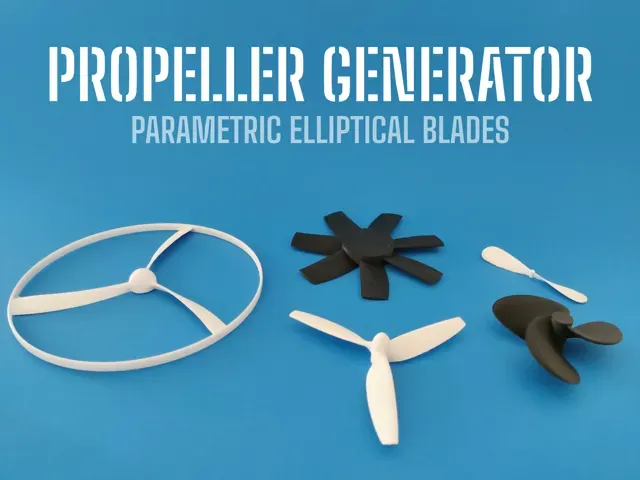
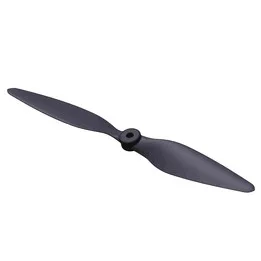
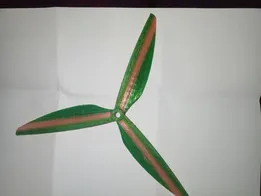
Propeller Generator - Parametric Elliptical Blades
MakerWorld
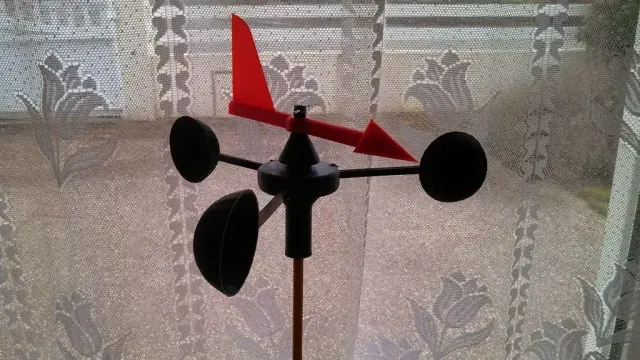
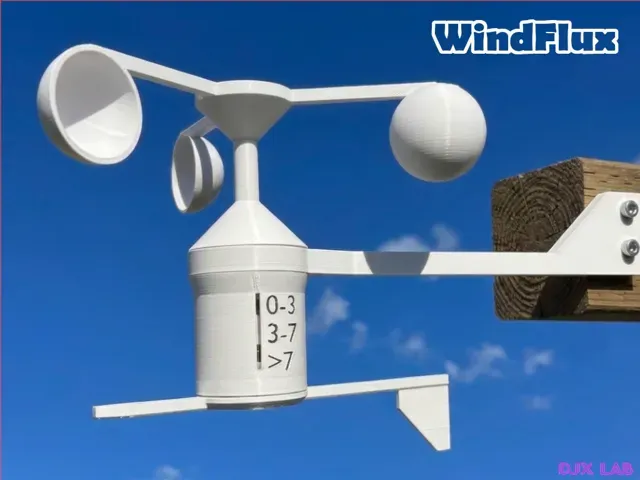
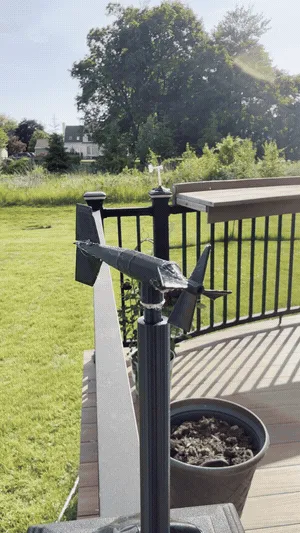
This collection gathers 3D models built around anemometer propellers: blade sets, wind vanes, combined speed-and-direction units, and mounts for weather stations. Most files are intended for 3D printing on a desktop 3D printer, with some designed as small scale models and others as larger functional assemblies. It is useful when you need a replacement rotor, a school or hobby weather project, or a starting point for your own parametric design. Polyzon does not confirm whether models are free, their price, license, official status, affiliation, safety or fitness. Check the current terms at the source.
Der Text dieser Sammlung ist auf Englisch verfasst; die Suche selbst funktioniert in jeder Sprache.
 Eine Sammlung von Polyzon · 43 Modelle von 3 Plattformen
Polyzon stellt diese Sammlung aus den Suchergebnissen der angebundenen Plattformen zusammen. Dubletten und Modelle ohne Vorschaubild werden entfernt, schwache Treffer rutschen ans Ende, der Rest bleibt in der Reihenfolge der Suche. Die Modelle gehören ihren Urhebern – die Bedingungen findest du auf der Seite des jeweiligen Modells.
Auswahlregeln: Polyzon-Redaktion · Text aktualisiert: 11.10.2026
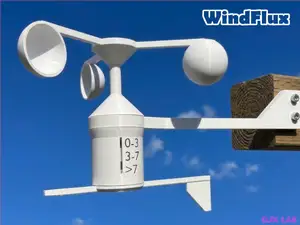
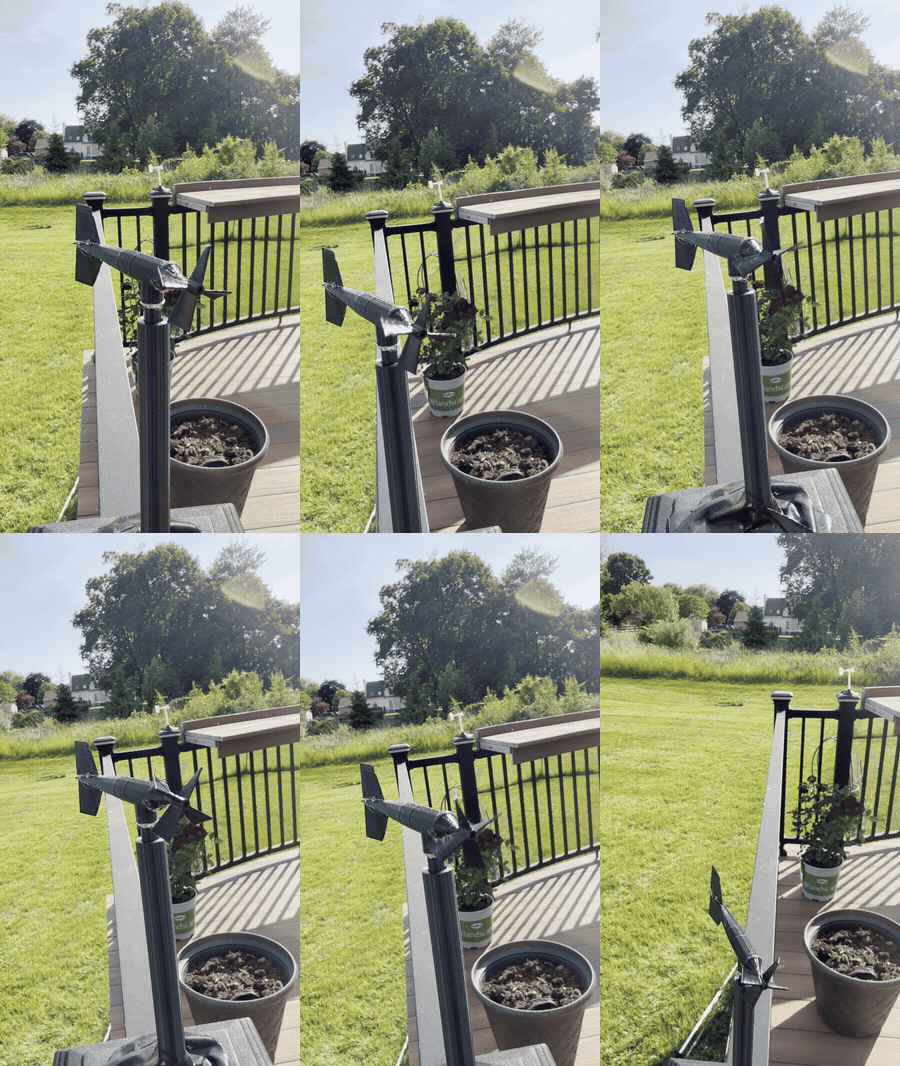

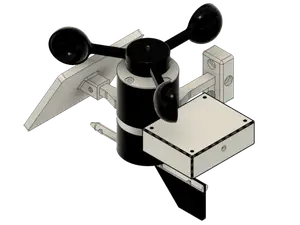
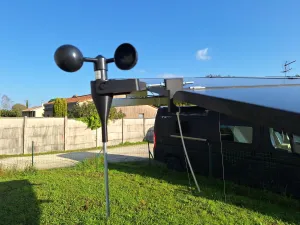

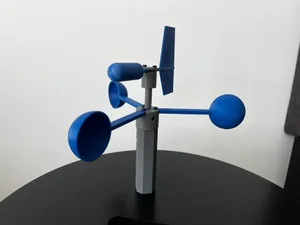

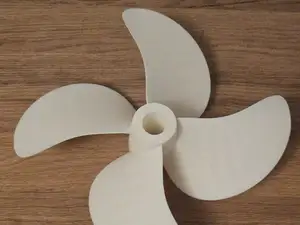
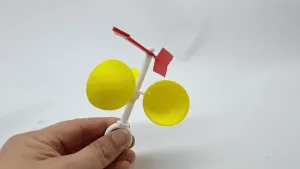
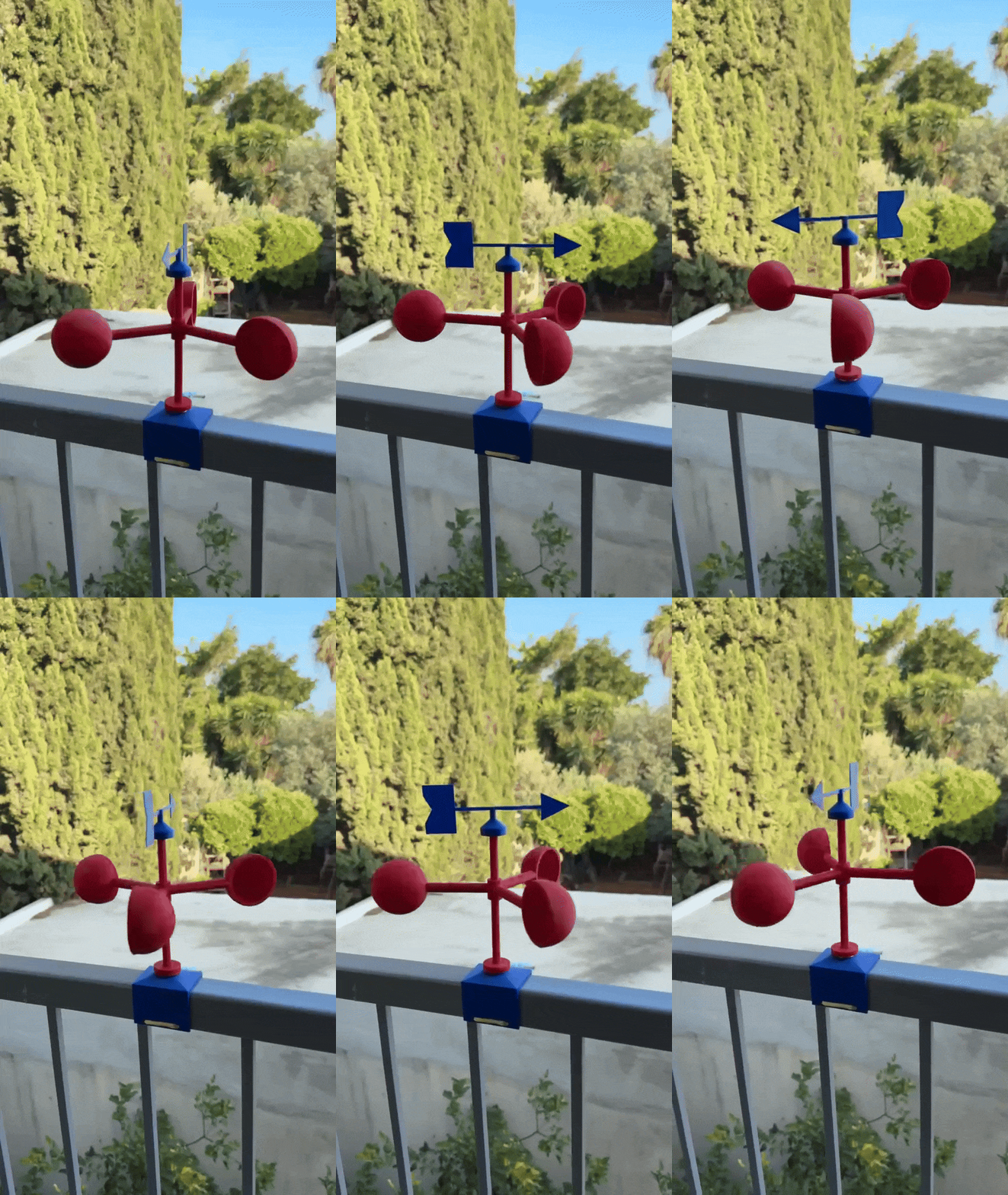
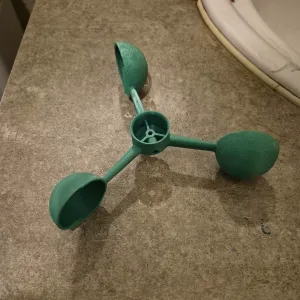
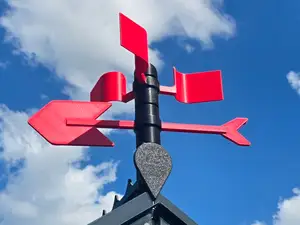
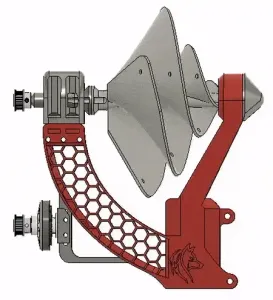
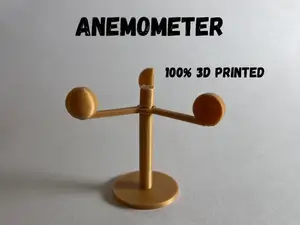
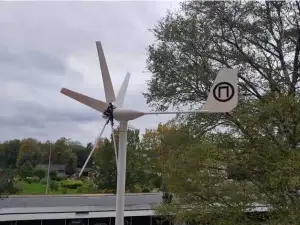
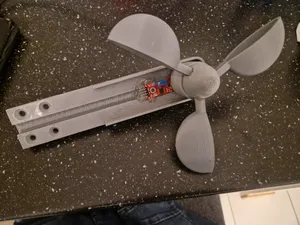
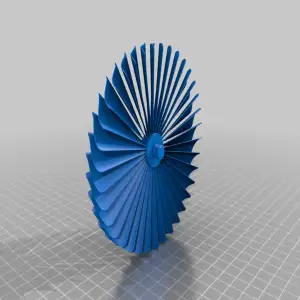
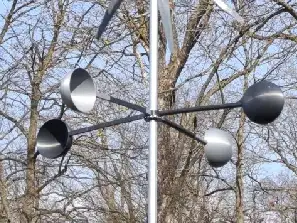
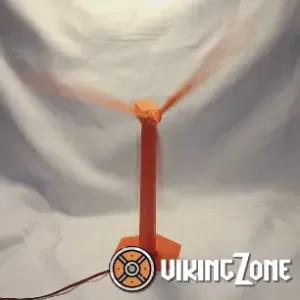
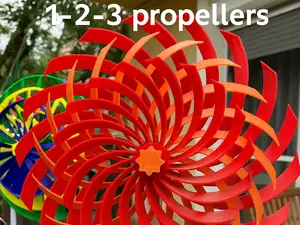
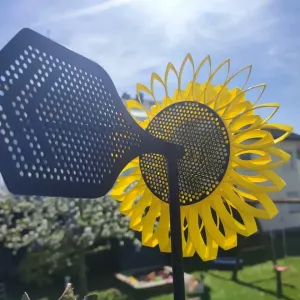

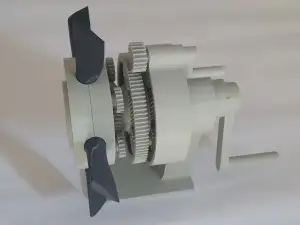
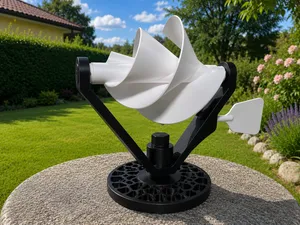
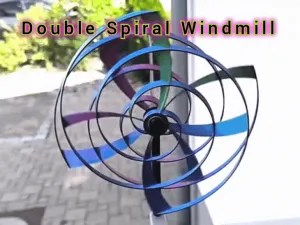
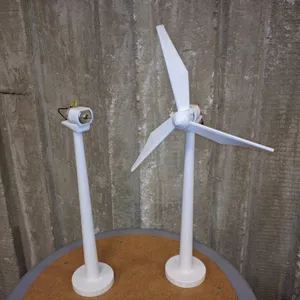
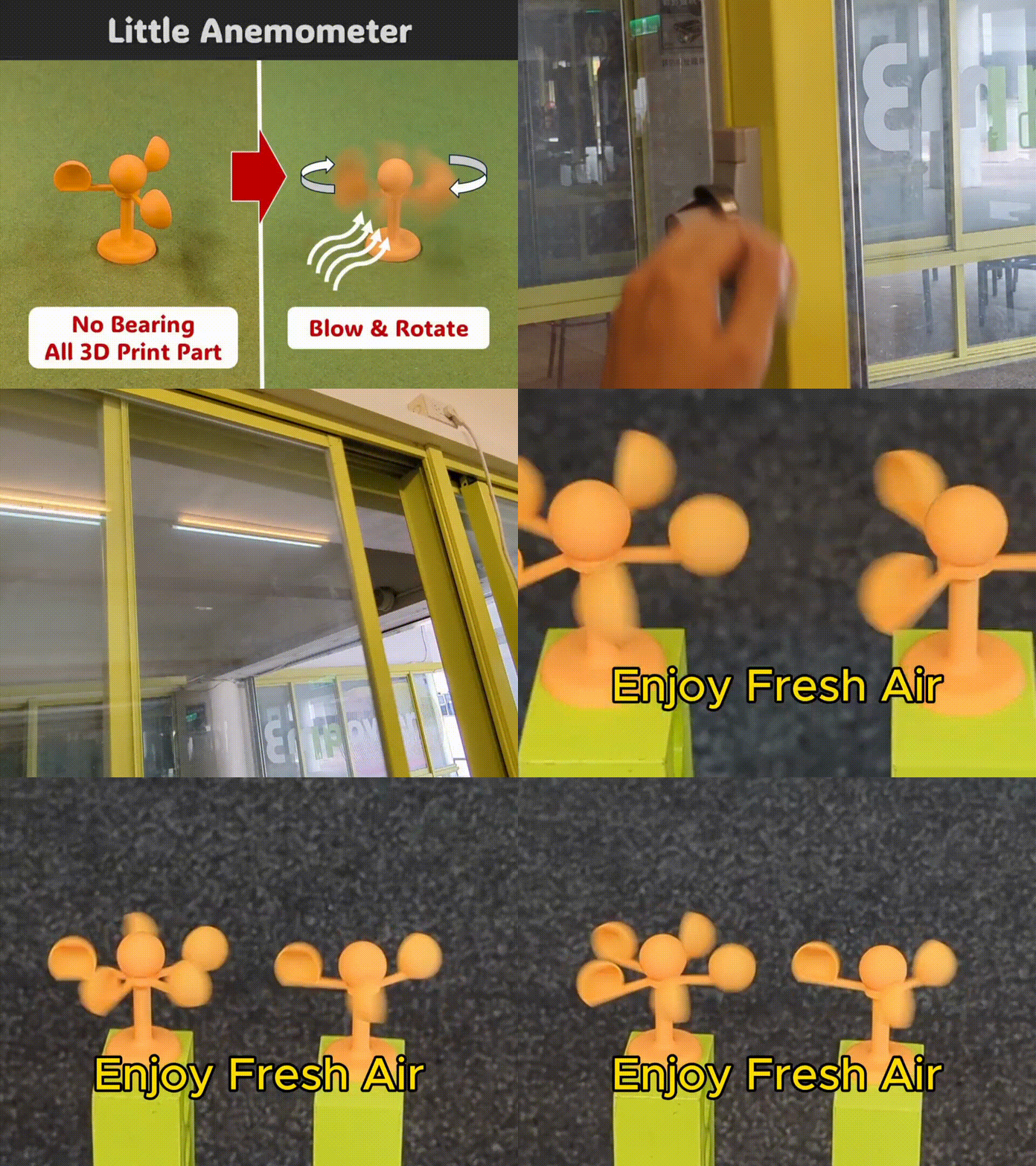
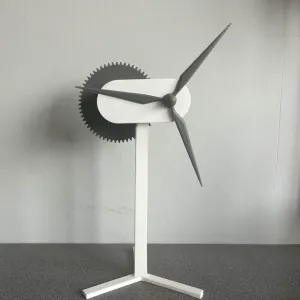
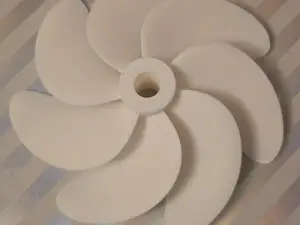
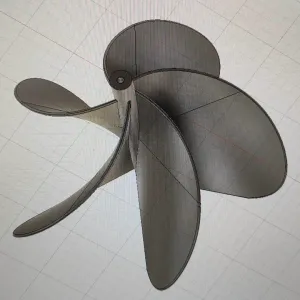
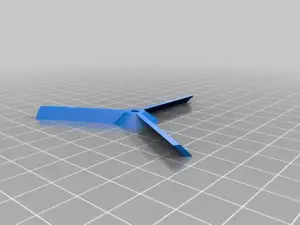
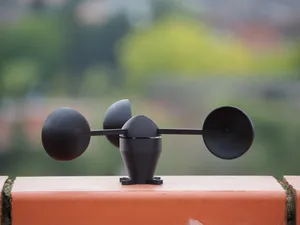
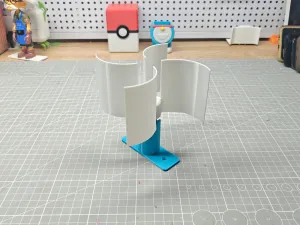
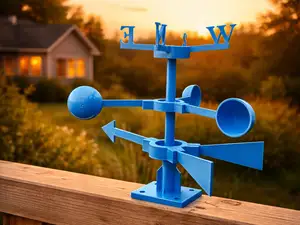
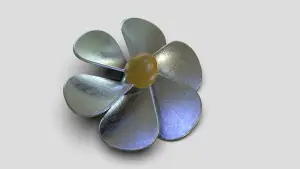
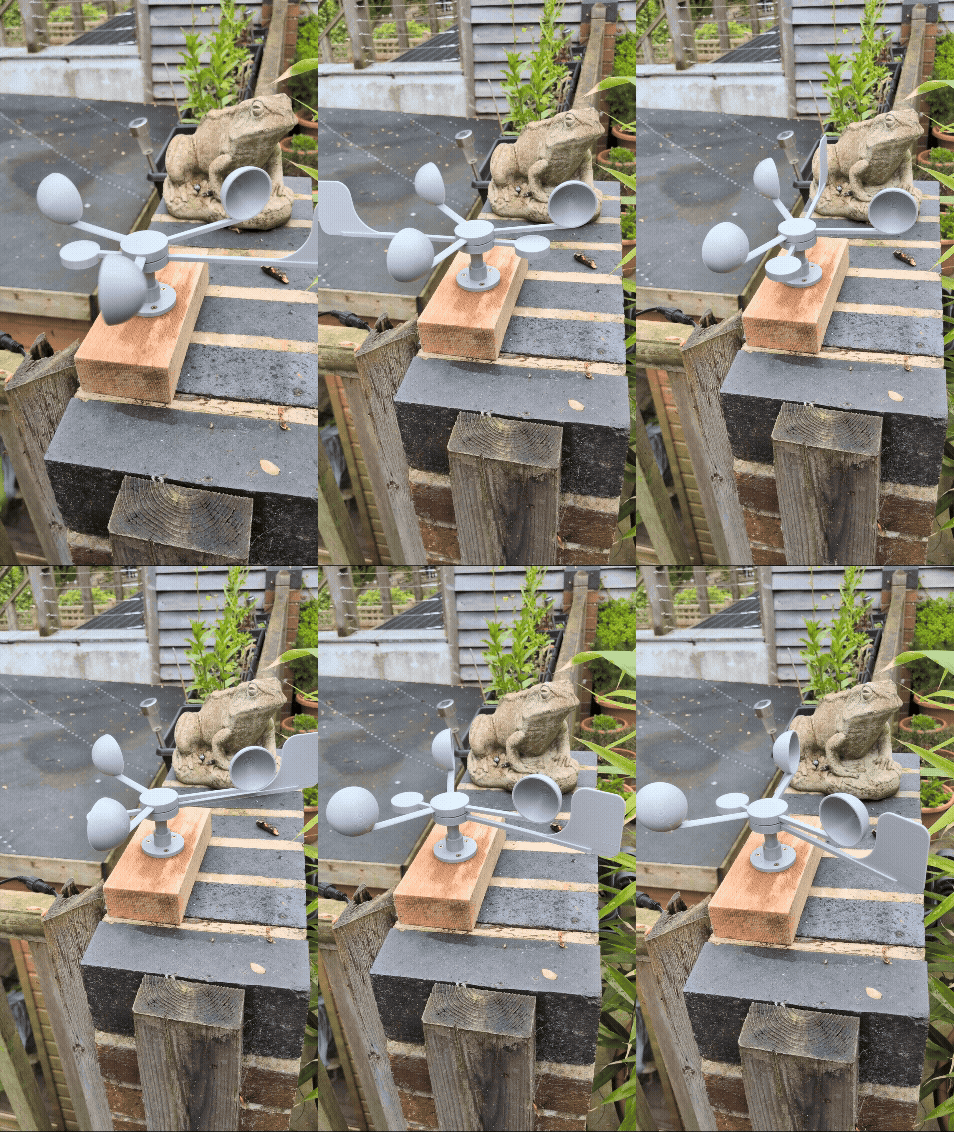
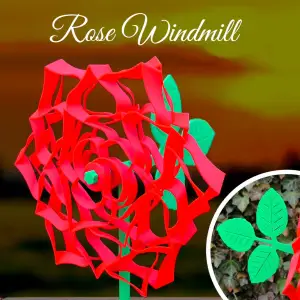
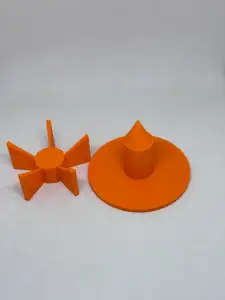
The models fall into a few groups. Simple propeller and blade sets are meant to spin on a shaft and are usually printed as one or two parts. Parametric versions let you change blade count, diameter or pitch before exporting an STL, while scale models reproduce a full instrument at a reduced size. Wind vanes and dual-shaft units add a direction tail to the same body, and a separate group covers mounts, cups and brackets that connect an instrument to a mast, a solar panel frame or a weather station housing.
When choosing a file, look at the dimensions the author lists and compare them with the shaft, bearing or sensor you plan to use. Check how many parts are involved, whether the blades print as a single piece or need assembly, and whether the author reports supports. Material and settings matter for thin blades: the layer orientation, wall count and the plastic used affect how the rotor balances and how long it holds its shape outdoors. Photos of real prints on the model page show more than a render does.
If the results feel narrow, try related wording. Searches for wind vane, girouette, wind cup, rotor, turbine or weather station parts often surface files that the word anemometer misses, and parametric or generator terms bring up designs you can resize. Combining a search term with a use case, such as a solar tracker or a bicycle mount, narrows the list further. You can also start from a single blade profile and scale it yourself.




Der komplette Themenkatalog – von Wohnen & Haushalt bis CNC, mit Suche auf allen angebundenen Plattformen.