
Kostenlos 
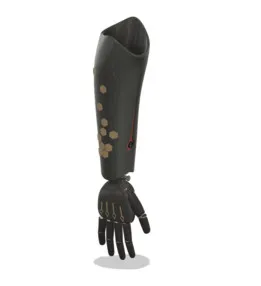
Протез руки
Cults3D
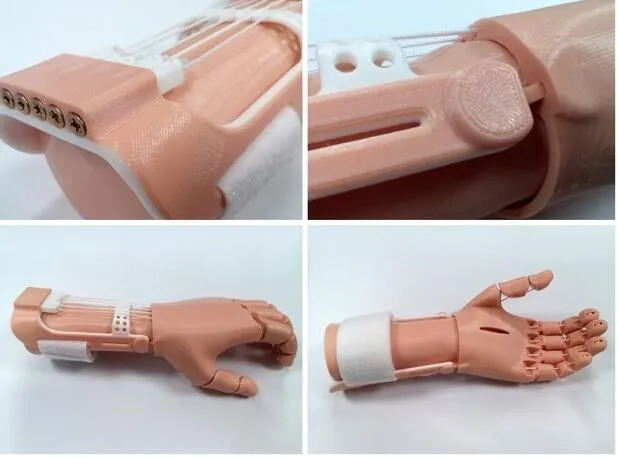
This collection gathers 3D models related to prostheses: hands and forearms, separate fingers, knee and hip parts, and dental items. Most files are made for 3D printing, so you can study the geometry, the joint layout and the assembly before opening them in a slicer. The range is wide, from simple display pieces to multi-part mechanisms. Polyzon does not confirm whether models are free, their price, license, official status, affiliation, safety or fitness. Check the current terms at the source.
Der Text dieser Sammlung ist auf Englisch verfasst; die Suche selbst funktioniert in jeder Sprache.
 Eine Sammlung von Polyzon · 48 Modelle von 6 Plattformen
Polyzon stellt diese Sammlung aus den Suchergebnissen der angebundenen Plattformen zusammen. Dubletten und Modelle ohne Vorschaubild werden entfernt, schwache Treffer rutschen ans Ende, der Rest bleibt in der Reihenfolge der Suche. Die Modelle gehören ihren Urhebern – die Bedingungen findest du auf der Seite des jeweiligen Modells.
Auswahlregeln: Polyzon-Redaktion · Text aktualisiert: 11.10.2026
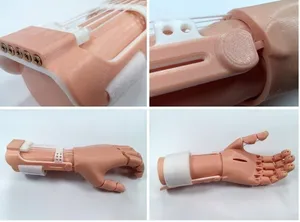


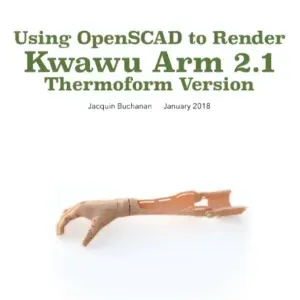


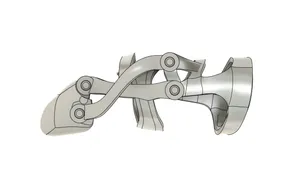


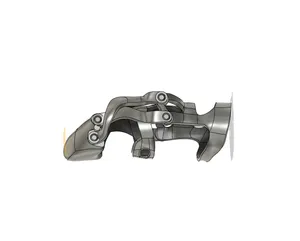



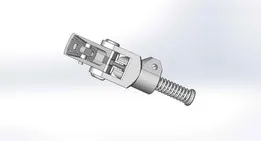


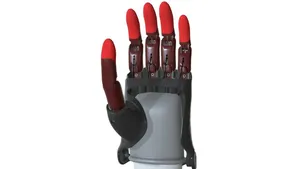

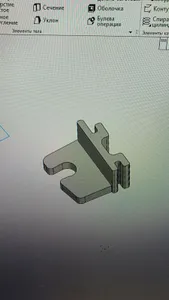
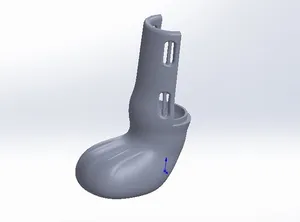

The topic splits into several directions. Upper-limb designs include full hands, forearms and individual fingers, often built around hinges, pins or elastic elements. Lower-limb entries cover knee and hip components, while a smaller group deals with dental prostheses as models or as containers for storage. Display and teaching models form another group: they show the shape and structure rather than function.
When choosing a file, open the author's page and read the listed parameters. Check the overall size and scale, the number of separate parts and how they connect, whether supports are required, and which material and print settings the author names. Photos of real prints help you judge wall thickness, clearances in the joints and how the surfaces come out. For anything worn on the body, the fit depends on measurements you take yourself, not on the model alone.
If the results look narrow, try other wordings. Searches for prosthetic hand, artificial limb, mechanical finger, forearm socket or finger replacement often lead to the same group of files. Related terms such as hinge, pin, knuckle, palm or wrist bring up parts rather than complete assemblies. Adding a body part or a mechanism type to the query usually narrows the list faster than browsing.
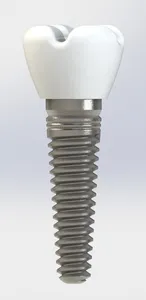
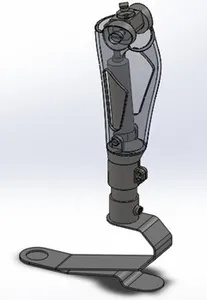

Der komplette Themenkatalog – von Wohnen & Haushalt bis CNC, mit Suche auf allen angebundenen Plattformen.

