
Kostenlos 
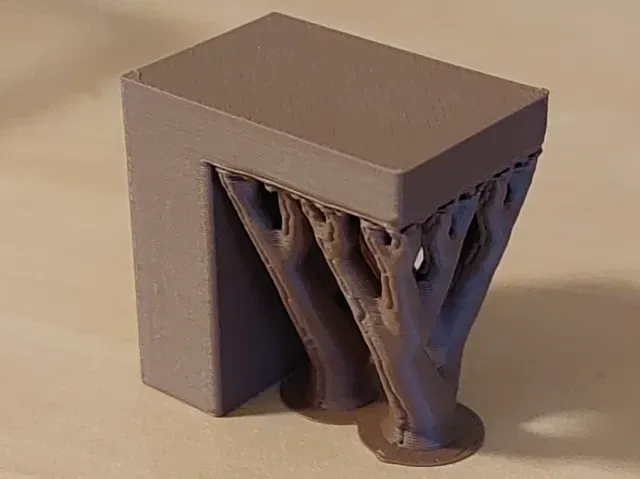
Hunter signal PU-2 case
Thingiverse
This collection gathers 3D models that appear under the PU-2 and RSh-2 queries: cases and housings, grips and handles, test objects, fidget toys and printer accessories. Most of the files are made for desktop 3D printing, so the mix is useful whether you are rebuilding a device, tuning a machine or looking for a small puzzle. Each entry leads to the source page, where the author's own description and photos sit. Polyzon does not confirm whether models are free, their price, license, official status, affiliation, safety or fitness. Check the current terms at the source.
Der Text dieser Sammlung ist auf Englisch verfasst; die Suche selbst funktioniert in jeder Sprache.
 Eine Sammlung von Polyzon · 38 Modelle von 2 Plattformen
Polyzon stellt diese Sammlung aus den Suchergebnissen der angebundenen Plattformen zusammen. Dubletten und Modelle ohne Vorschaubild werden entfernt, schwache Treffer rutschen ans Ende, der Rest bleibt in der Reihenfolge der Suche. Die Modelle gehören ihren Urhebern – die Bedingungen findest du auf der Seite des jeweiligen Modells.
Auswahlregeln: Polyzon-Redaktion · Text aktualisiert: 14.10.2026




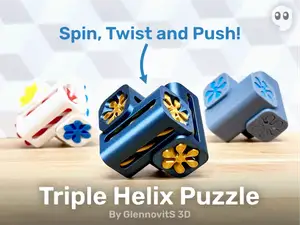

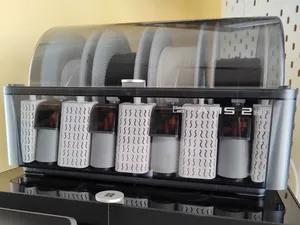

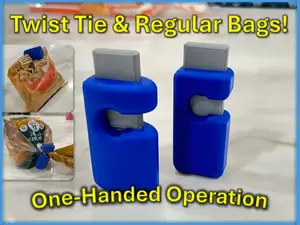


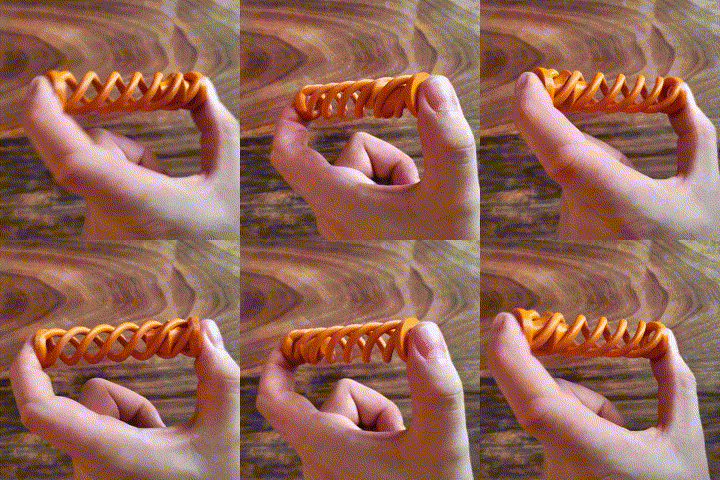

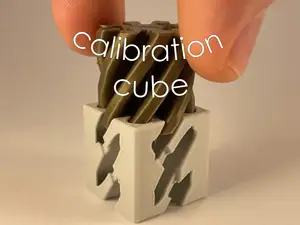

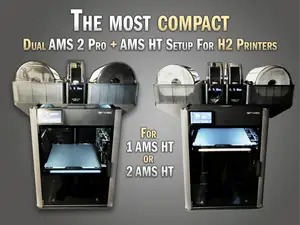

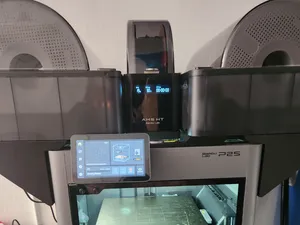







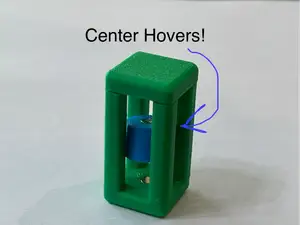
Cases and housings form one group: they are usually hollow shells with cutouts for ports, buttons or optics, and they differ mainly in wall thickness and in how the lid closes. Grips and handles are shaped around a hand or a tool interface, so their cross-section and mounting holes matter more than the outer size. Test objects and calibration prints are the opposite — small, quick shapes whose value lies in measurable features such as overhangs, bridges or belt alignment.
On the author's page, check the stated size and scale first, then the number of parts and whether they join with screws, pins or glue. Look at whether the model needs supports, which material and settings the author lists, and whether photos of real prints are included. Thin walls and long unsupported spans are common reasons a print fails, so open the file in a slicer and inspect it before committing filament.
If the results feel too broad, swap in a synonym: handle instead of grip, enclosure or housing instead of case, calibration or tolerance test instead of test. Related topics such as scope mounts, air rifle accessories, extruder mounts, AMS risers or belt tensioners often lead to the same kind of part. Searching by printer model or by material also narrows the list.




Der komplette Themenkatalog – von Wohnen & Haushalt bis CNC, mit Suche auf allen angebundenen Plattformen.

