Kostenlos 
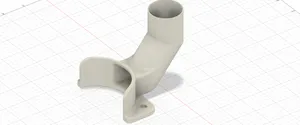
Насадка для ковша пылесборника
Cults3D
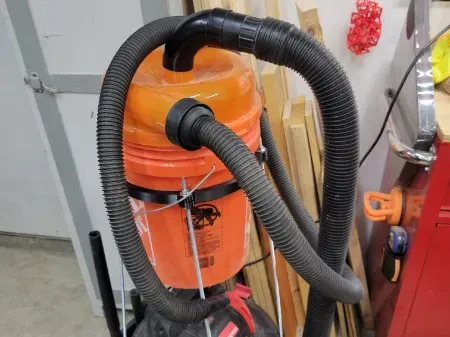
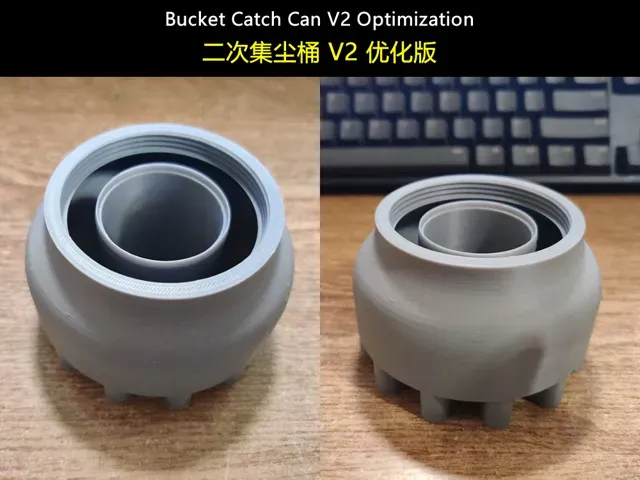
This collection brings together STL files for dust extraction setups built around a bucket. It covers cyclone separators, bucket lids and caps, hose adapters, and tool-specific shrouds. The models are useful if you want to keep dust away from your 3D printer area or workshop. Polyzon does not confirm whether models are free, their price, license, official status, affiliation, safety or fitness. Check the current terms at the source.
Der Text dieser Sammlung ist auf Englisch verfasst; die Suche selbst funktioniert in jeder Sprache.
 Eine Sammlung von Polyzon · 48 Modelle von 6 Plattformen
Polyzon stellt diese Sammlung aus den Suchergebnissen der angebundenen Plattformen zusammen. Dubletten und Modelle ohne Vorschaubild werden entfernt, schwache Treffer rutschen ans Ende, der Rest bleibt in der Reihenfolge der Suche. Die Modelle gehören ihren Urhebern – die Bedingungen findest du auf der Seite des jeweiligen Modells.
Auswahlregeln: Polyzon-Redaktion · Text aktualisiert: 11.10.2026
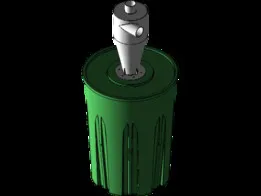


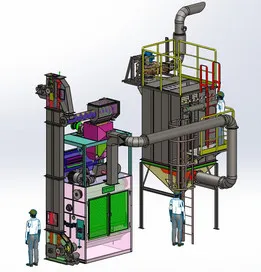
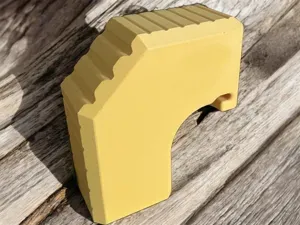
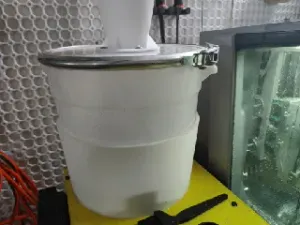


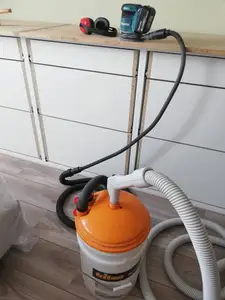


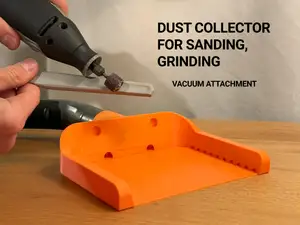

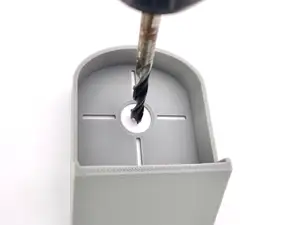


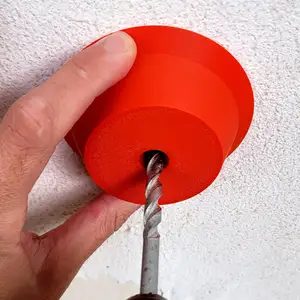
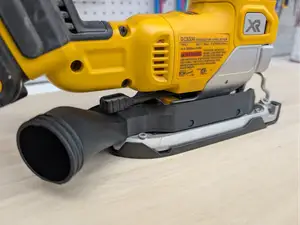

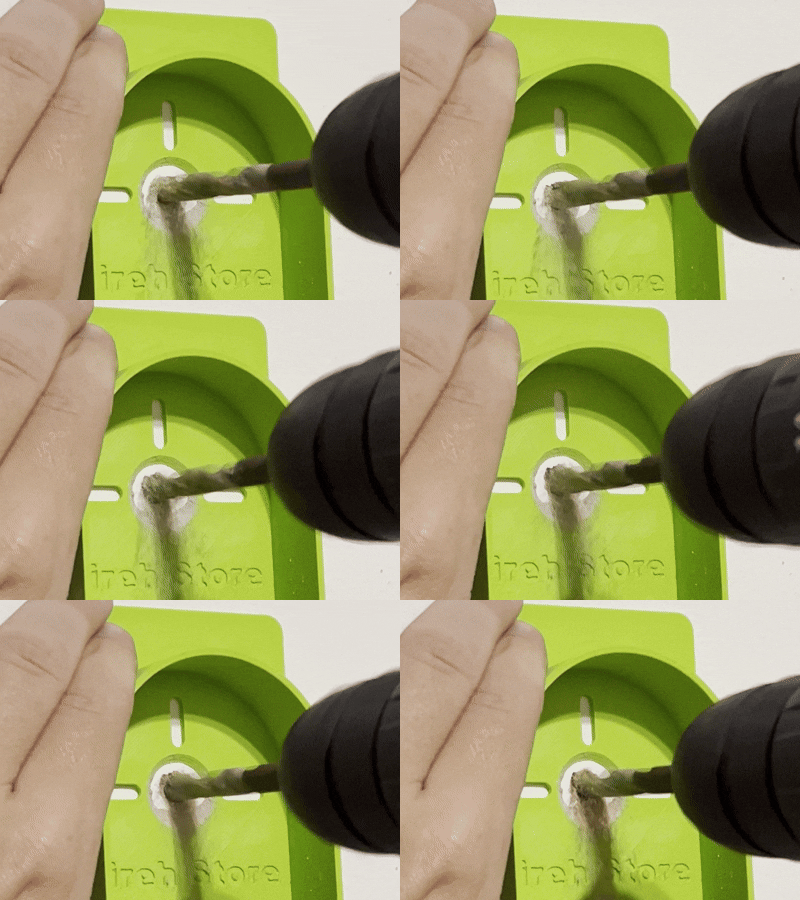

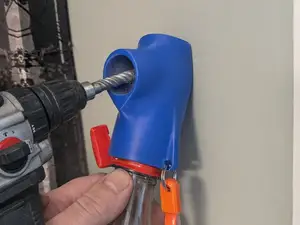





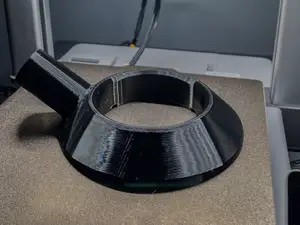


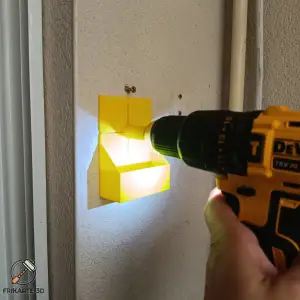


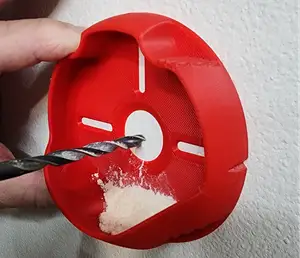
Cyclone separators are the most common type: they sit on top of a bucket and use a vortex to drop larger chips before air reaches the vacuum. Bucket lids and internal supports hold the separator or a filter in place and often include a port for a hose. Adapters and connectors let you join hoses of different diameters or attach a tool to the extraction line. Tool shrouds are shaped for a specific power tool, such as a drill, grinder, or sander, and direct dust into the hose.
Before printing, check the model page for the bucket size it is designed for, since a lid that fits a five-gallon pail will not fit a smaller one. Look at the number of parts and whether assembly requires screws, magnets, or glue. The author usually lists the hose diameter and the tool interface, so compare those with your own vacuum and tools. Also review the recommended material and settings, and look at photos of real prints to judge how the parts fit together.
If you need a different setup, try related terms such as dust separator, cyclone collector, vacuum adapter, or bucket lid. Searching for your tool type, like drill dust shroud or sander extraction, can narrow the results. You can also combine a bucket with a cyclone and a hose adapter to build a two-stage system. Adjusting the search to include the hose diameter or bucket volume often brings up more relevant models.
Der komplette Themenkatalog – von Wohnen & Haushalt bis CNC, mit Suche auf allen angebundenen Plattformen.