Kostenlos 
Ravioli Maker
Thingiverse
This collection gathers 3D printing files for kitchen tools that shape filled pasta: ravioli moulds, dumpling and pelmeni presses, and combined press-and-cutter designs. It is useful if you want a tool sized to your own dough and filling instead of a fixed shop version. Most entries are simple STL parts that print on a common 3D printer. Polyzon does not confirm whether models are free, their price, license, official status, affiliation, safety or fitness. Check the current terms at the source.
Der Text dieser Sammlung ist auf Englisch verfasst; die Suche selbst funktioniert in jeder Sprache.
 Eine Sammlung von Polyzon · 48 Modelle von 4 Plattformen
Polyzon stellt diese Sammlung aus den Suchergebnissen der angebundenen Plattformen zusammen. Dubletten und Modelle ohne Vorschaubild werden entfernt, schwache Treffer rutschen ans Ende, der Rest bleibt in der Reihenfolge der Suche. Die Modelle gehören ihren Urhebern – die Bedingungen findest du auf der Seite des jeweiligen Modells.
Auswahlregeln: Polyzon-Redaktion · Text aktualisiert: 13.10.2026
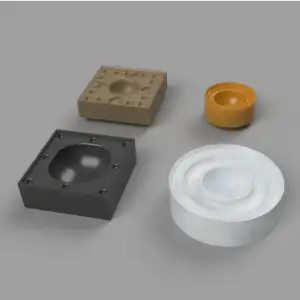

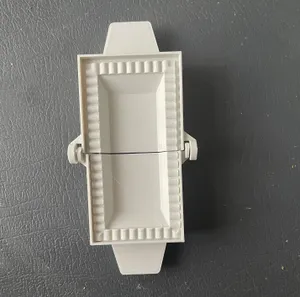
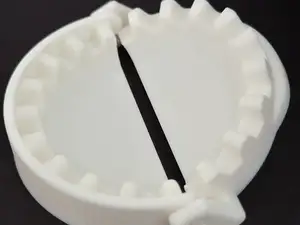
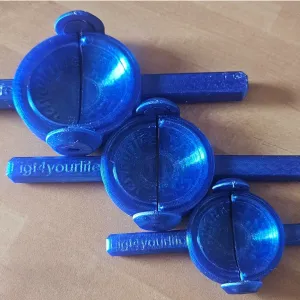

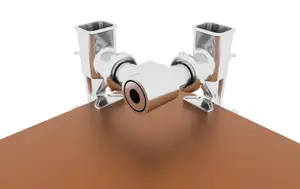
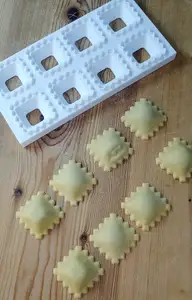
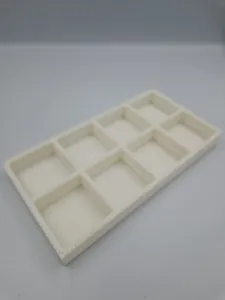

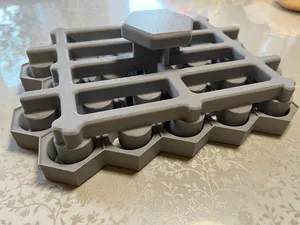
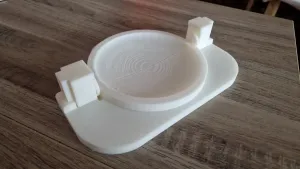

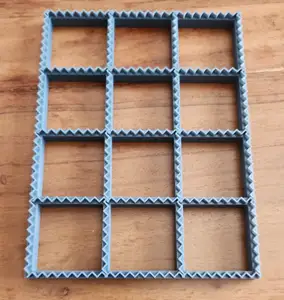
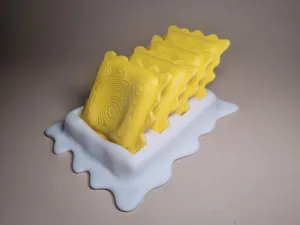

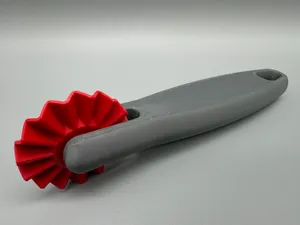
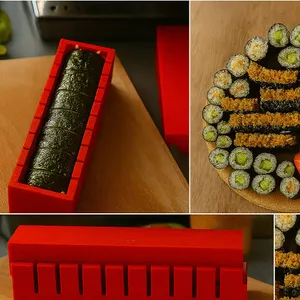

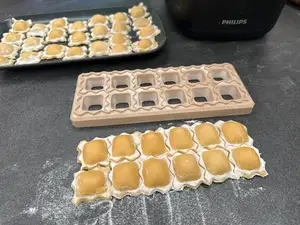
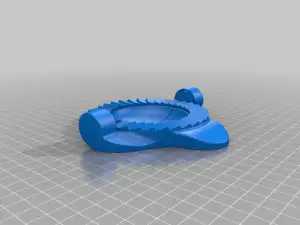

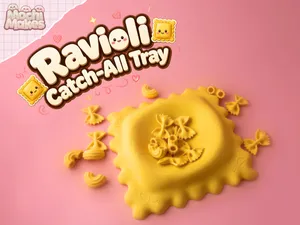
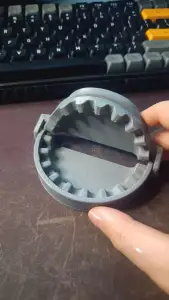

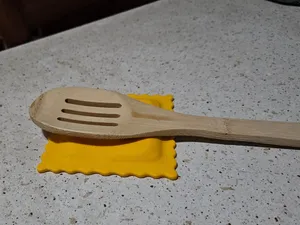
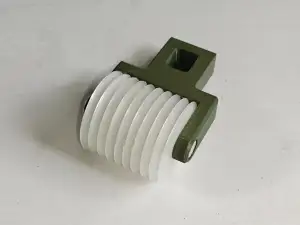

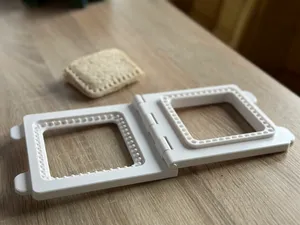
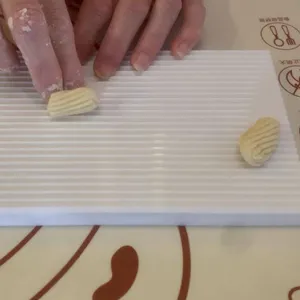

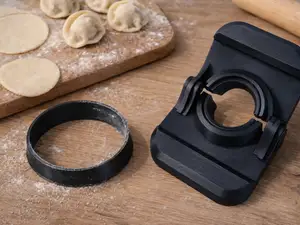

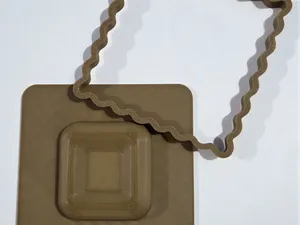
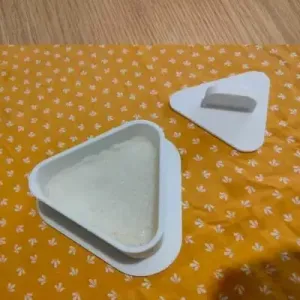

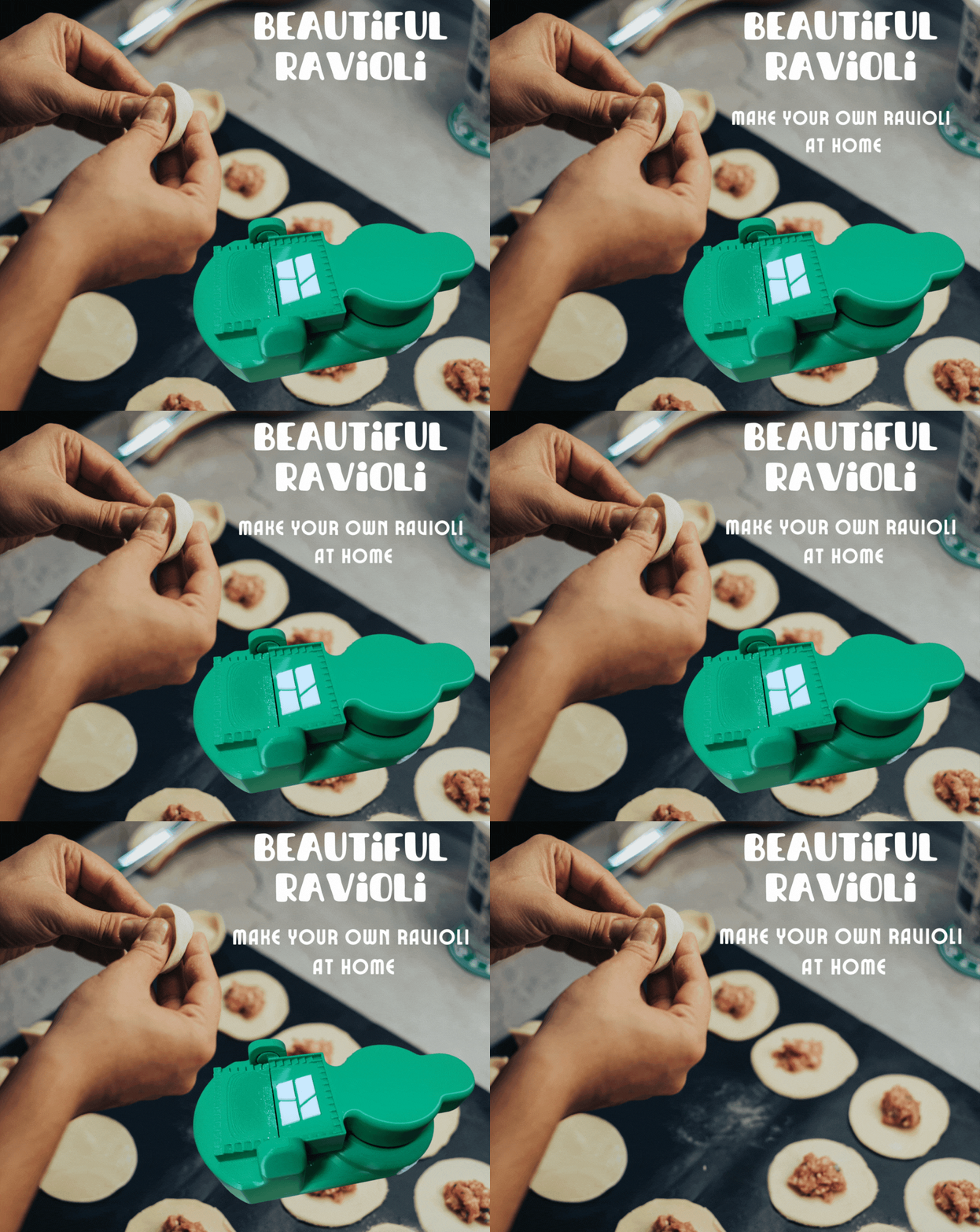
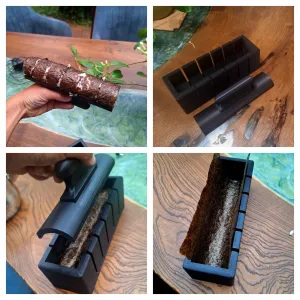

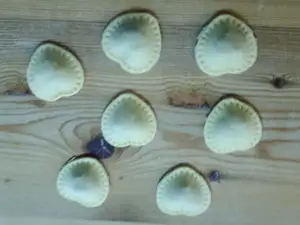
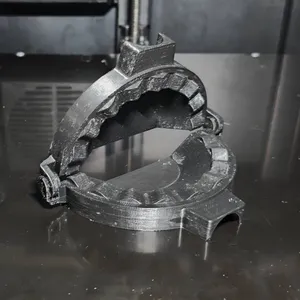

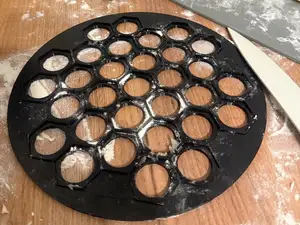
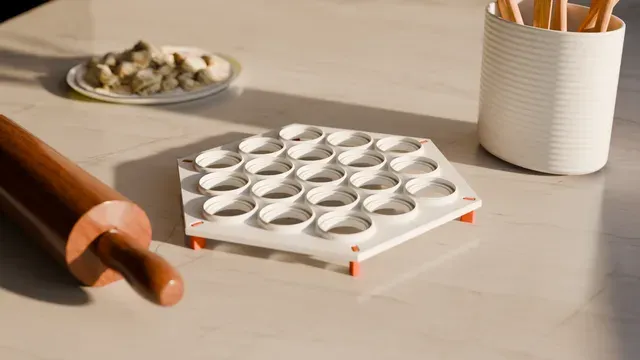
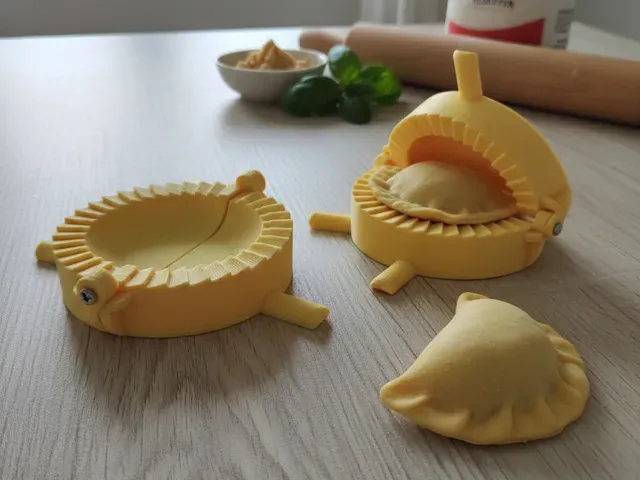
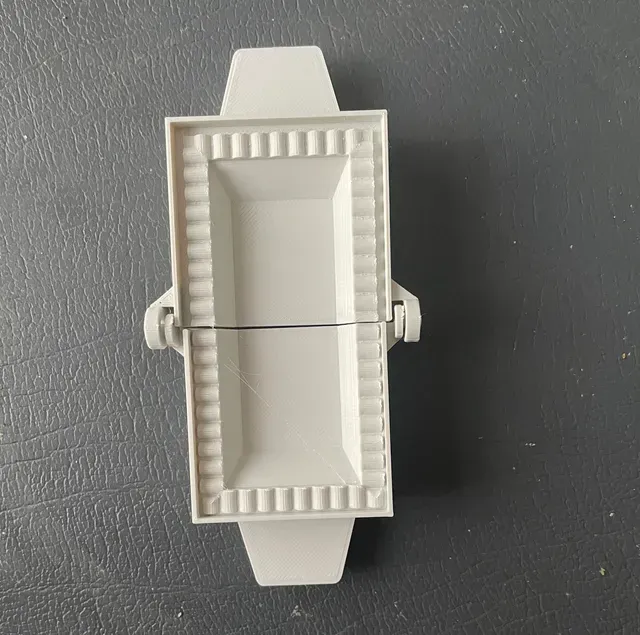
The models fall into a few groups. Flat trays and moulds form a row of pockets and are closed with a second part or a rolling pin. Hinged presses fold a single dumpling or ravioli at a time, which suits small batches and thicker fillings. Combined tools add a cutting edge or wheel to the same body, and grid designs shape several pieces in one pass. Some files cover one shape, while others include several sizes or interchangeable inserts.
When choosing, look at the size and scale first: pocket depth and outer dimensions decide how much filling fits and whether the tool matches your rolling pin or pasta machine. Check the number of parts, how they join, and whether supports are needed on the author's page. The material and print settings listed there, along with photos of real prints, tell you how the surface and edges came out. Wall thickness and the gap between closing parts matter, because dough can catch in narrow slots.
To narrow the results, try the words used for the same object in other languages and regions, such as dumpling press, pelmeni maker, pierogi mould, tortellini stamp or pasta mould. Related searches lead to pasta cutters, pastry wheels, dough rollers and other kitchen tools that pair with these designs. Adding a size, a shape or a part count to the query usually removes the models that do not fit your setup.
If nothing matches, combine a broad term with a specific one, for example a press type plus a filling style, and sort by the newest uploads to see recent variants.



Der komplette Themenkatalog – von Wohnen & Haushalt bis CNC, mit Suche auf allen angebundenen Plattformen.