
Kostenlos 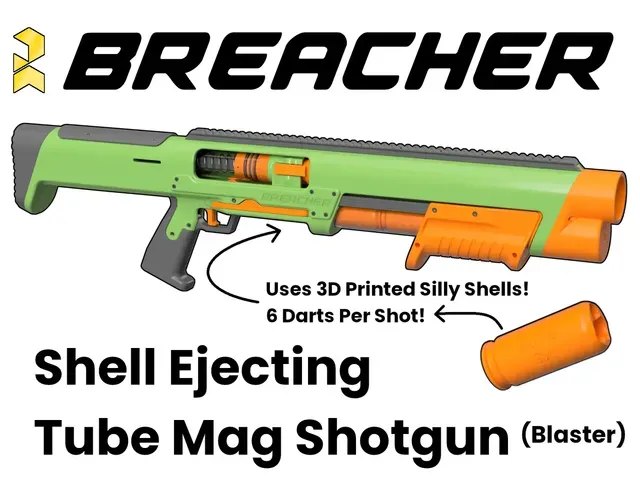
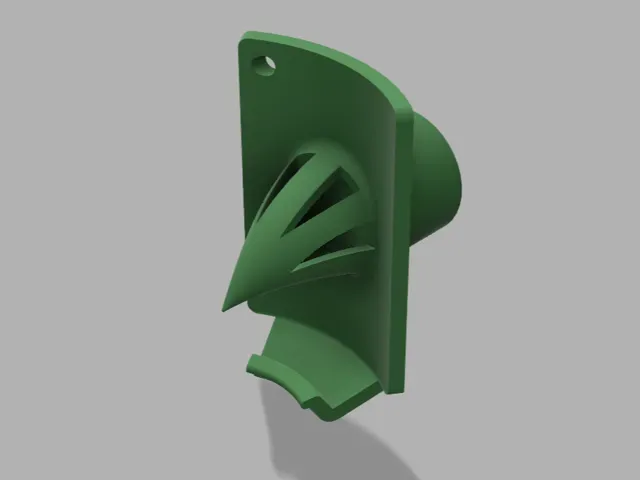
Breacher - Shell Ejecting Nerf Shotgun (Tube Magazine!) (3D Printed Nerf Blaster)
Printables
This collection gathers shotgun-themed 3D models: shell-ejecting toy blasters, airsoft-style replicas, game fan art, miniature keychains and novelty tools. Most of them are made for 3D printing at home, so the parts, scale and assembly differ a lot from one upload to the next. It is a useful starting point if you want a prop, a mechanical toy or a small display piece and need to compare how each one is built. Polyzon does not confirm whether models are free, their price, license, official status, affiliation, safety or fitness. Check the current terms at the source.
Der Text dieser Sammlung ist auf Englisch verfasst; die Suche selbst funktioniert in jeder Sprache.
 Eine Sammlung von Polyzon · 46 Modelle von 6 Plattformen
Polyzon stellt diese Sammlung aus den Suchergebnissen der angebundenen Plattformen zusammen. Dubletten und Modelle ohne Vorschaubild werden entfernt, schwache Treffer rutschen ans Ende, der Rest bleibt in der Reihenfolge der Suche. Die Modelle gehören ihren Urhebern – die Bedingungen findest du auf der Seite des jeweiligen Modells.
Auswahlregeln: Polyzon-Redaktion · Text aktualisiert: 13.10.2026

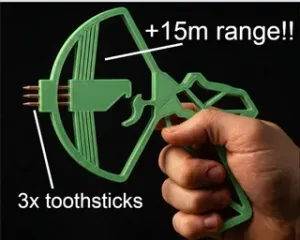
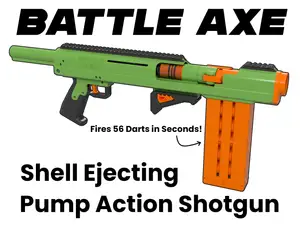

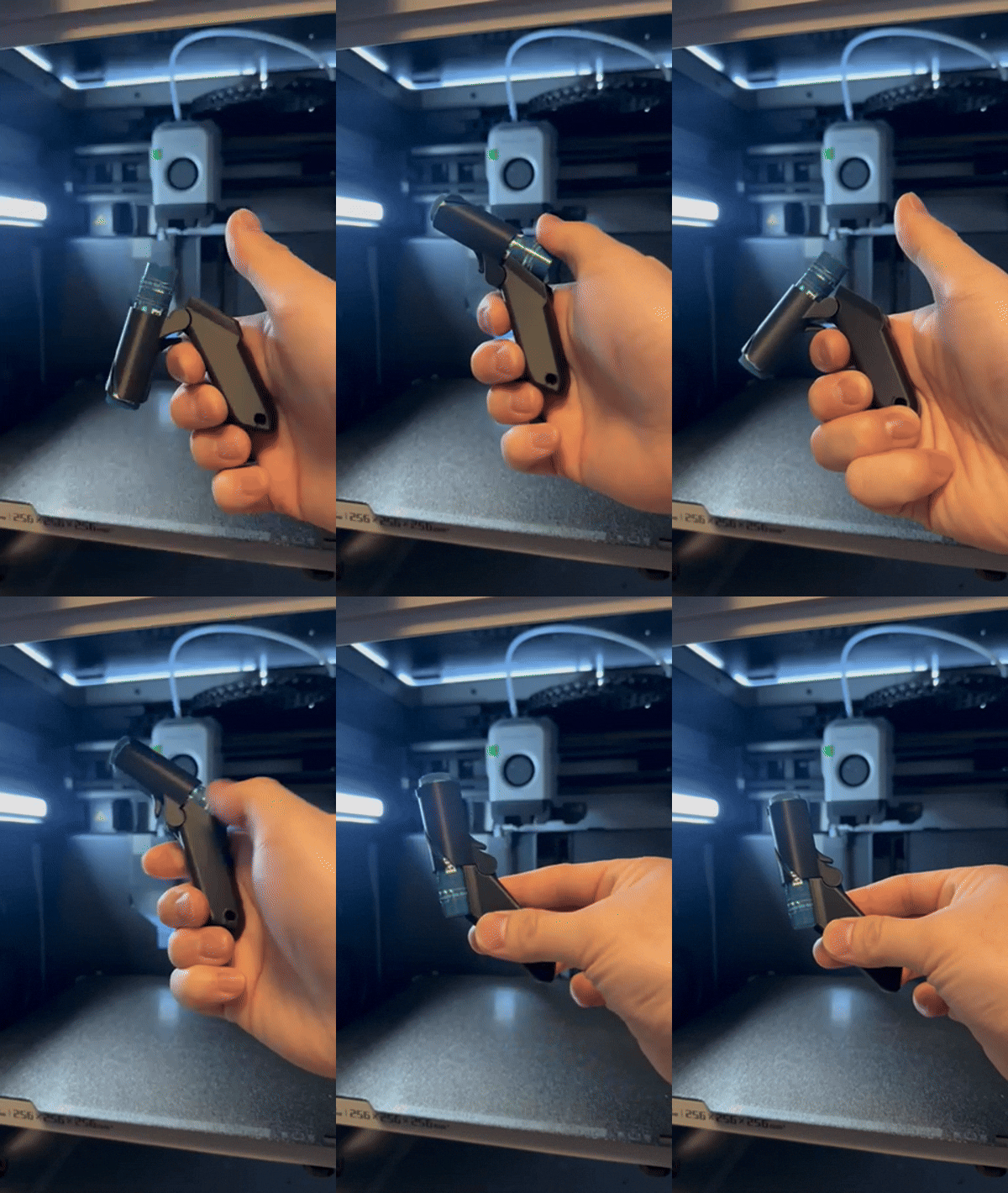


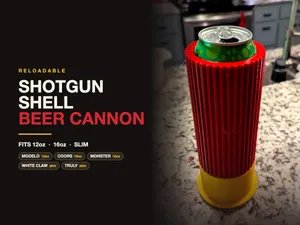
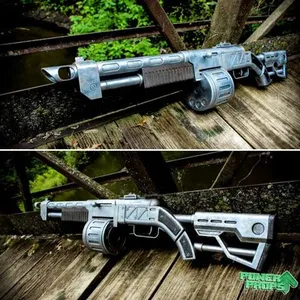

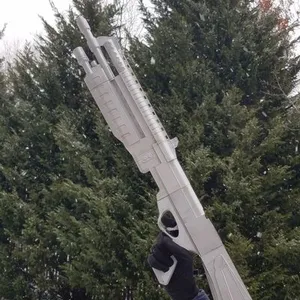
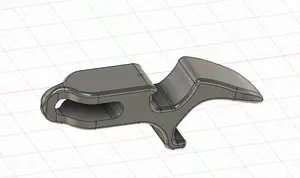
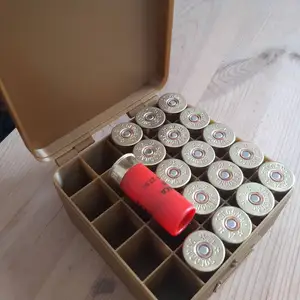


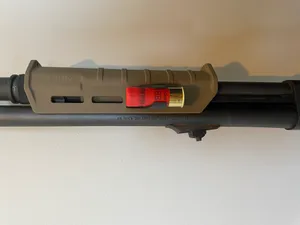

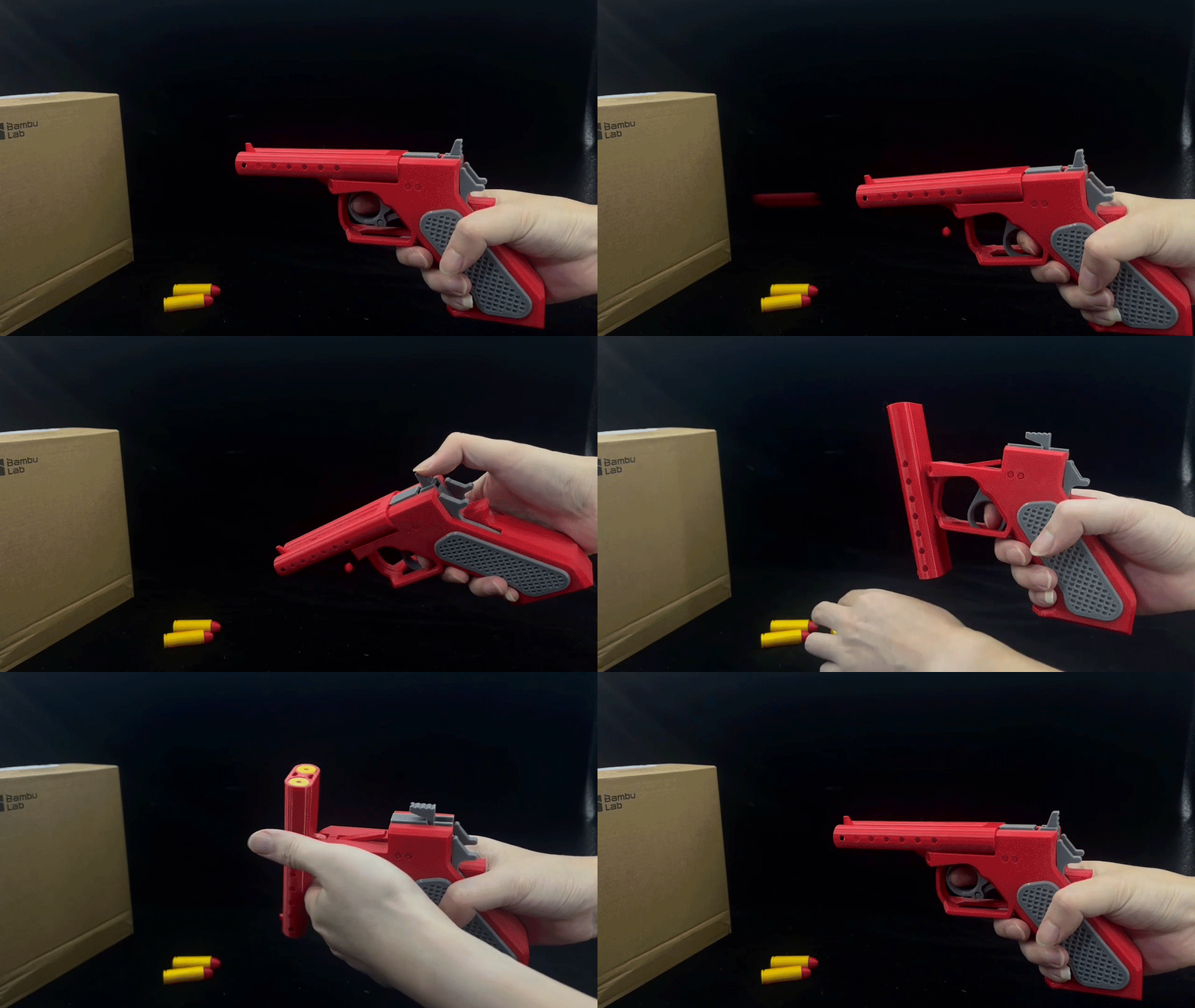


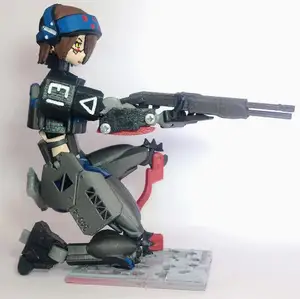


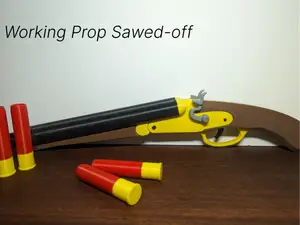


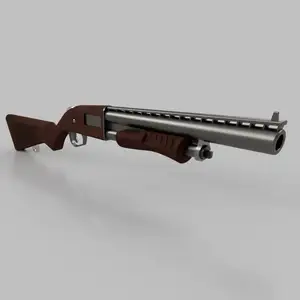
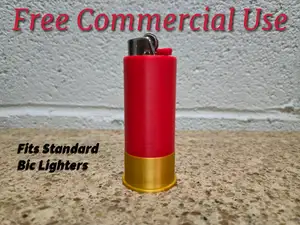
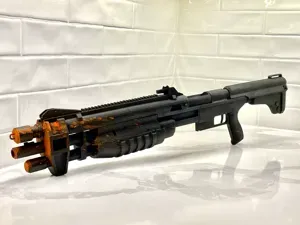
The models fall into a few rough groups. Shell-ejecting and pump-action blasters use springs, tubes and moving parts to launch foam darts, while airsoft-style shotguns and toy guns copy the outer shape of a real firearm without that mechanism. Fan art pieces based on game weapons are usually static props, and keychain or desk miniatures are scaled down to a few centimetres. Part counts follow the same pattern: a simple prop may be one or two pieces, while a blaster with a magazine and ejecting shells can run into dozens.
Before printing, open the author's model page and read what is listed there. Check the overall size and scale, how many parts the model has and how they join, and whether the geometry needs supports. Look at the material and settings the author names, since thin barrels and small springs behave differently in different filaments. Photos of real prints are the most useful reference for judging wall thickness, tolerances and how the finished piece actually looks.
If the results feel narrow, try other words for the same idea: blaster, foam dart toy, airsoft replica, prop, replica, miniature or keychain. Related topics often sit nearby, such as cosplay props, mechanical toys, game weapon fan art or display models. Combining a mechanism word with a theme word, for example pump-action or shell-ejecting with a game or film name, usually narrows the list faster than browsing a single term.




Der komplette Themenkatalog – von Wohnen & Haushalt bis CNC, mit Suche auf allen angebundenen Plattformen.

