
Kostenlos 
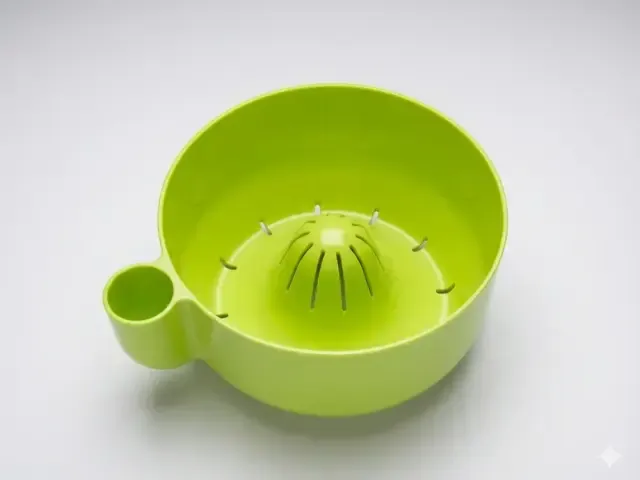
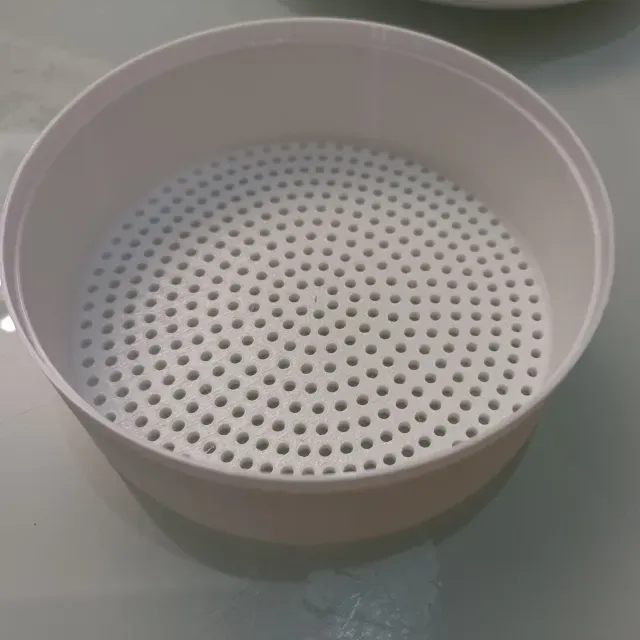
Сито / фильтр для мате
Cults3D
This collection gathers 3D models of sieves and strainers, from kitchen bowls and seed screens to sand sifters and sorting grids. It is useful when you need a mesh size or frame shape that is hard to find as a finished item. Every listing can be opened as an STL or similar file and prepared for a 3D printer. Polyzon does not confirm whether models are free, their price, license, official status, affiliation, safety or fitness. Check the current terms at the source.
Der Text dieser Sammlung ist auf Englisch verfasst; die Suche selbst funktioniert in jeder Sprache.
 Eine Sammlung von Polyzon · 48 Modelle von 8 Plattformen
Polyzon stellt diese Sammlung aus den Suchergebnissen der angebundenen Plattformen zusammen. Dubletten und Modelle ohne Vorschaubild werden entfernt, schwache Treffer rutschen ans Ende, der Rest bleibt in der Reihenfolge der Suche. Die Modelle gehören ihren Urhebern – die Bedingungen findest du auf der Seite des jeweiligen Modells.
Auswahlregeln: Polyzon-Redaktion · Text aktualisiert: 12.10.2026


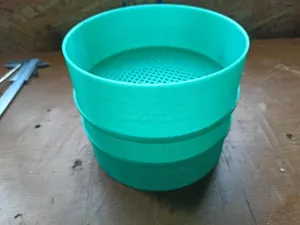
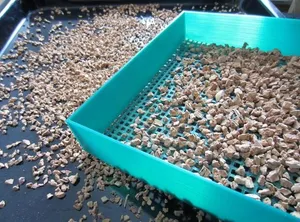



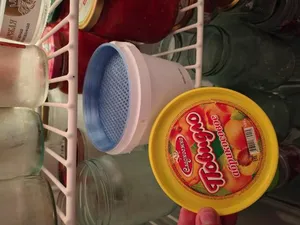

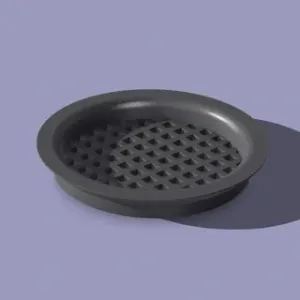
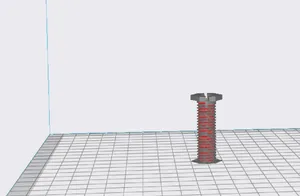

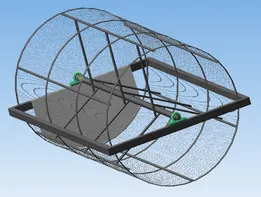

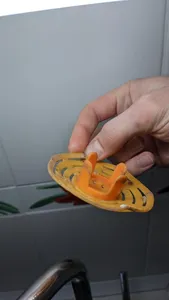
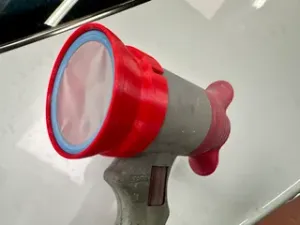



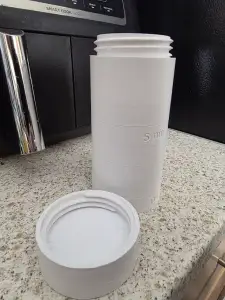
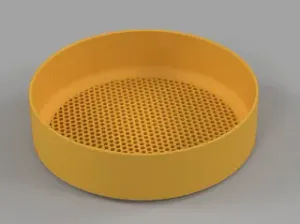


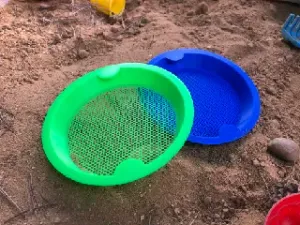
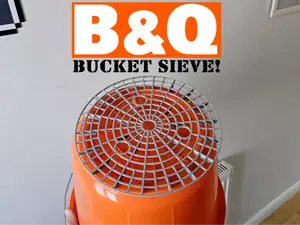





The models differ mainly in purpose and mesh construction. Kitchen strainers and drain inserts are usually round or rectangular frames with a perforated bottom, while seed and garden sieves use finer openings. Beach sifters tend to be larger and wider, and sorting screens are built around a specific opening size so that screws or bolts fall through in steps. Some entries are parametric, so the grid spacing or diameter can be changed before export.
When choosing a model, look at the wall thickness of the mesh and the size of the openings, since thin bars are harder to print cleanly. Check how many parts the design has and whether they are meant to be glued, screwed or snapped together. Read the author's notes on material and layer height, and look at photos of real prints to judge how the grid came out. Flat frames with fine mesh often need slower speeds and good cooling.
To narrow the results, try synonyms such as strainer, sifter, filter, screen, colander or mesh grid, and add a purpose word like kitchen, garden, sand, coffee or bolts. Related searches include drain cover, gutter guard and sprouting tray. If you need an exact opening size, look for parametric or customizable versions and adjust the dimensions in the editor before printing.



Der komplette Themenkatalog – von Wohnen & Haushalt bis CNC, mit Suche auf allen angebundenen Plattformen.