
Kostenlos 
Steel Ball ( Spinning )
Thingiverse
This collection gathers steel ball 3D models that range from working print-in-place bearings to spinning fidgets, puzzle mazes and props. Most files are small enough to print on a desktop 3D printer and are useful when you want a moving part rather than a static object. The STL listings differ a lot in scale and assembly, so the model page matters more than the thumbnail. Polyzon does not confirm whether models are free, their price, license, official status, affiliation, safety or fitness. Check the current terms at the source.
Der Text dieser Sammlung ist auf Englisch verfasst; die Suche selbst funktioniert in jeder Sprache.
 Eine Sammlung von Polyzon · 47 Modelle von 6 Plattformen
Polyzon stellt diese Sammlung aus den Suchergebnissen der angebundenen Plattformen zusammen. Dubletten und Modelle ohne Vorschaubild werden entfernt, schwache Treffer rutschen ans Ende, der Rest bleibt in der Reihenfolge der Suche. Die Modelle gehören ihren Urhebern – die Bedingungen findest du auf der Seite des jeweiligen Modells.
Auswahlregeln: Polyzon-Redaktion · Text aktualisiert: 11.10.2026


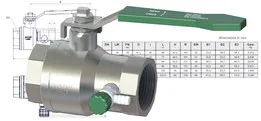
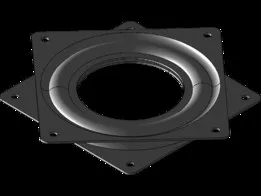


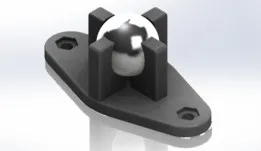
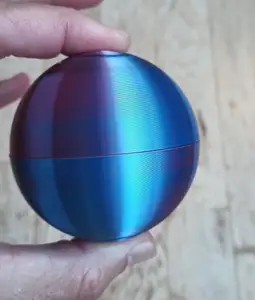
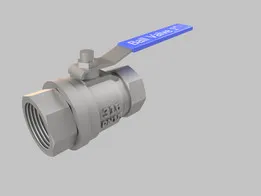

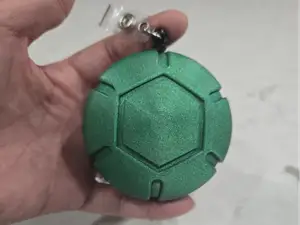
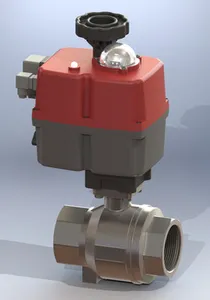

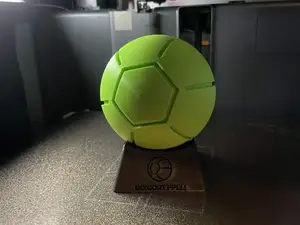

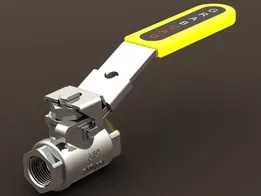

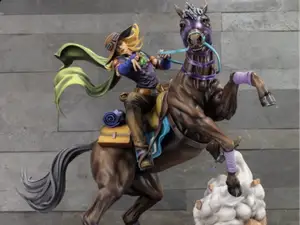
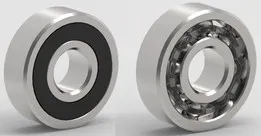

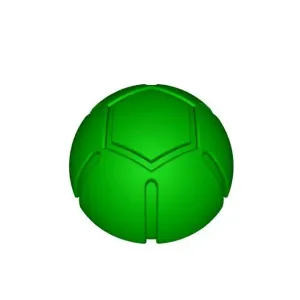
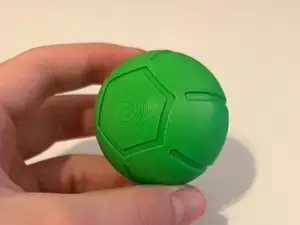


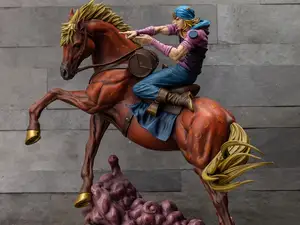


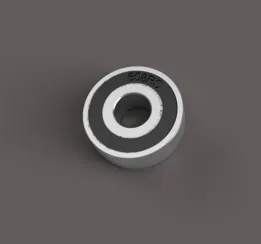
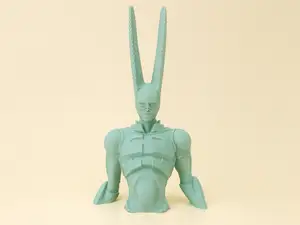
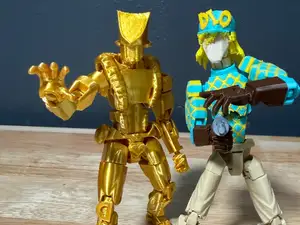


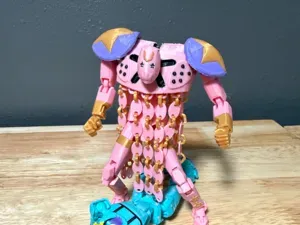
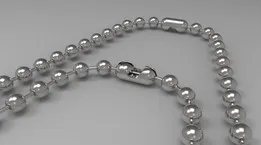
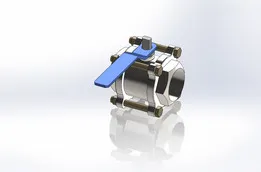

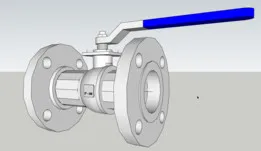

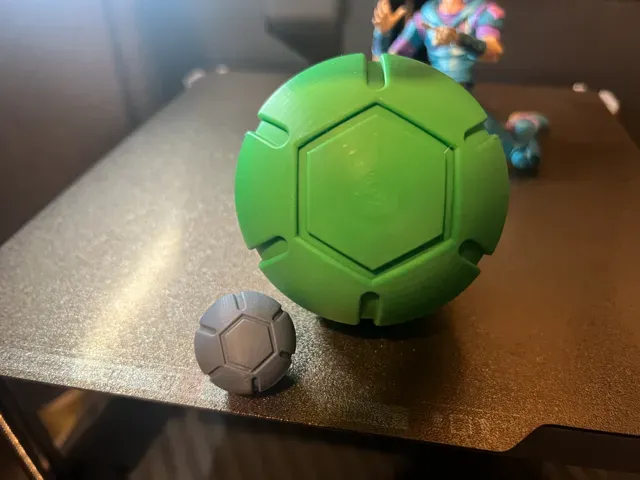
The most common group is bearings: print-in-place rings in several standard sizes, thrust bearings, and small variants meant to sit inside another mechanism. A second group is made of ball props and replicas tied to anime and manga themes, often offered at life size or as a keyring. Fidget and spinning versions sit between the two, while puzzle mazes and ball games use the sphere as a moving piece inside a track or frame. Decorative patterned spheres form a smaller group, where the surface geometry is the point rather than the mechanism.
Before printing, read the author's page for the ball diameter and the gap between the inner and outer race, since a fraction of a millimetre decides whether a print-in-place bearing turns or fuses. Check how many parts the file contains, whether the author shows it assembled or as separate pieces, and whether supports are listed as needed. Material and settings matter too: rigid filaments hold tolerance better in thin gaps, while softer ones change how a fidget feels. Photos of real prints are the quickest way to judge whether the clearances in the file behave as described.
Search results for this topic mix mechanical and fandom terms, so it helps to try both. Words like bearing, thrust bearing, print-in-place, fidget, spinner, marble run, maze and puzzle return different sets of files, and adding a size such as 608 or 8 mm narrows the list. If you are after a themed prop, the character or series name usually works better than the object itself, and related searches for gyroscope, sphere or ball joint often surface models that the plain term misses.



Der komplette Themenkatalog – von Wohnen & Haushalt bis CNC, mit Suche auf allen angebundenen Plattformen.