
Kostenlos 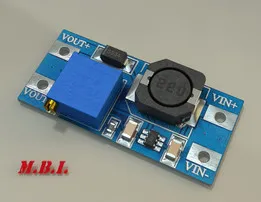
T3608-2A Max DC-DC Step Up Power Module
GrabCAD
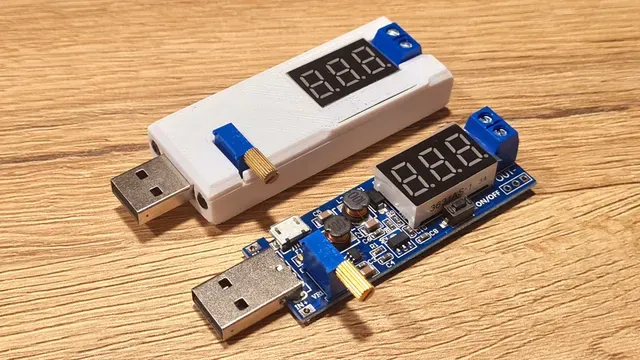
This collection gathers 3D-printable parts around DC-DC power modules: boost boards that raise voltage, buck boards that lower it, combined regulators, and the housings built for them. It is useful when you already have a converter board and want a case, a mounting plate or a front panel for it. Many entries are small STL parts, so a single 3D printer session is often enough to produce them. Polyzon does not confirm whether models are free, their price, license, official status, affiliation, safety or fitness. Check the current terms at the source.
Der Text dieser Sammlung ist auf Englisch verfasst; die Suche selbst funktioniert in jeder Sprache.
 Eine Sammlung von Polyzon · 48 Modelle von 5 Plattformen
Polyzon stellt diese Sammlung aus den Suchergebnissen der angebundenen Plattformen zusammen. Dubletten und Modelle ohne Vorschaubild werden entfernt, schwache Treffer rutschen ans Ende, der Rest bleibt in der Reihenfolge der Suche. Die Modelle gehören ihren Urhebern – die Bedingungen findest du auf der Seite des jeweiligen Modells.
Auswahlregeln: Polyzon-Redaktion · Text aktualisiert: 11.10.2026


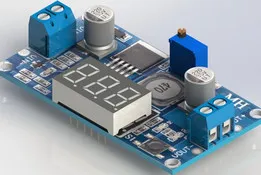



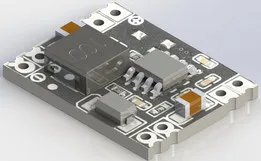


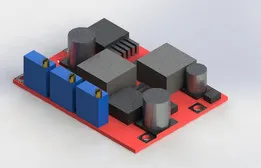


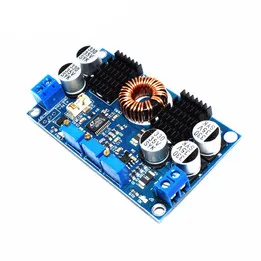
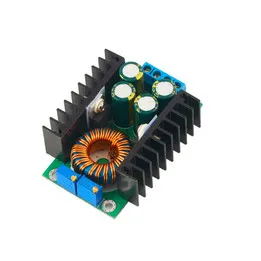
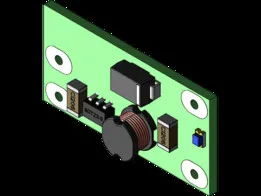


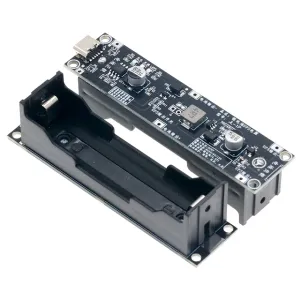
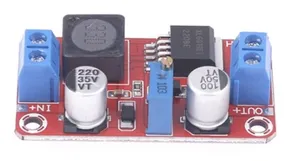


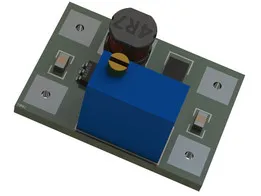
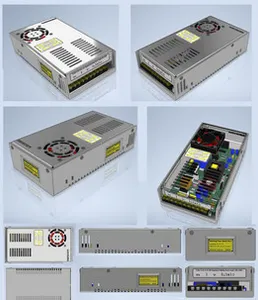


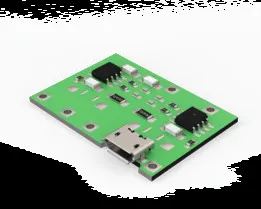


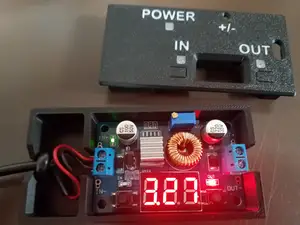
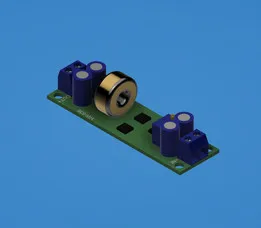


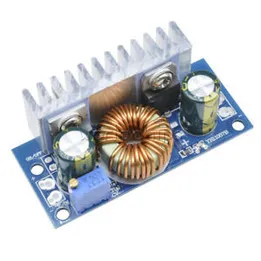
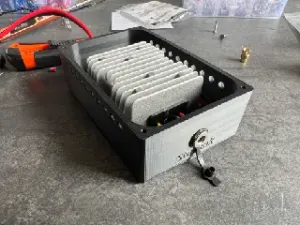

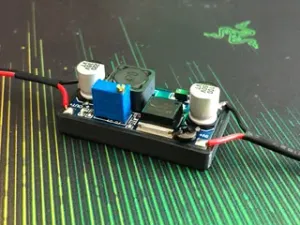

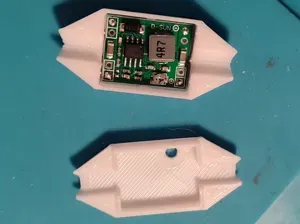

The models fall into a few groups. Boost converters take a low input and raise it, while buck converters do the opposite, and combined boards switch between both directions. Alongside the electronics sit printed enclosures, lids, front plates and mounting brackets, plus USB-fed and battery-charging modules that people use in power banks and small supplies. The printed parts differ mainly in how the board is held: some are full boxes with cutouts, others are simple trays or faceplates.
When choosing a model, compare its stated internal dimensions with the board you own, including terminal blocks, potentiometers, displays and connector height, since those often decide whether a case closes properly. Look at the mounting hole spacing, the position of the USB or barrel jack openings, and whether the author notes supports, screws or heat-set inserts. Check the material and settings listed on the model page, and read the photos of real prints to see wall thickness and how the lid fits.
If the results are too narrow, try synonyms: boost converter, step-up regulator, DC-DC converter, voltage regulator board, power supply module, or simply case, housing and enclosure. Related searches such as bench power supply, battery charger, power bank and lab supply often lead to the same kind of printed parts. Combining a board type with a part type, for example a regulator with a faceplate, usually narrows the list faster than one long phrase.


Der komplette Themenkatalog – von Wohnen & Haushalt bis CNC, mit Suche auf allen angebundenen Plattformen.

