
Kostenlos 
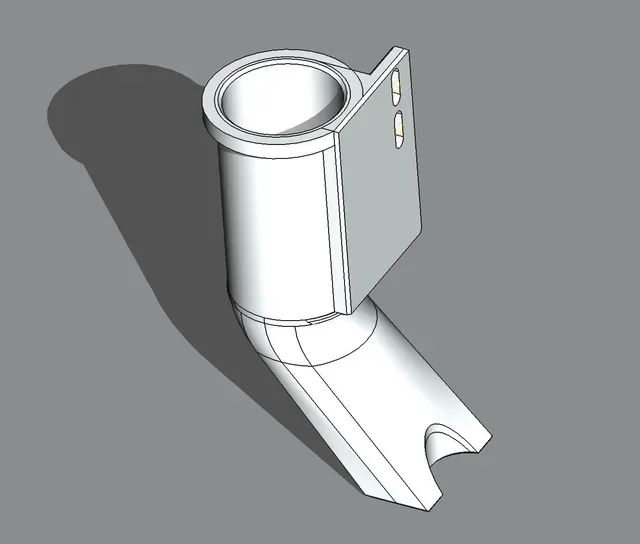
OneFinity CNC Extraction Hose Bracket
Thingiverse
This collection gathers STL files that route chips and dust away from a CNC router or mill: shoes with brush skirts, spindle and hose adapters, mounting brackets and extraction ports. It is useful when you want to adapt a 3D printer to make a part that fits your own machine and vacuum rather than buying a fixed kit. Most items are small, so they print quickly and are easy to redo after a test fit. Polyzon does not confirm whether models are free, their price, license, official status, affiliation, safety or fitness. Check the current terms at the source.
Der Text dieser Sammlung ist auf Englisch verfasst; die Suche selbst funktioniert in jeder Sprache.
 Eine Sammlung von Polyzon · 48 Modelle von 7 Plattformen
Polyzon stellt diese Sammlung aus den Suchergebnissen der angebundenen Plattformen zusammen. Dubletten und Modelle ohne Vorschaubild werden entfernt, schwache Treffer rutschen ans Ende, der Rest bleibt in der Reihenfolge der Suche. Die Modelle gehören ihren Urhebern – die Bedingungen findest du auf der Seite des jeweiligen Modells.
Auswahlregeln: Polyzon-Redaktion · Text aktualisiert: 15.10.2026


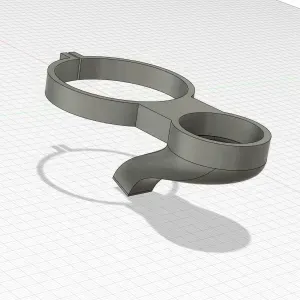

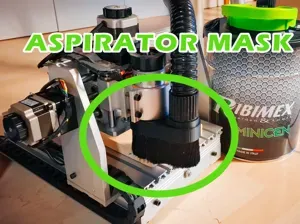
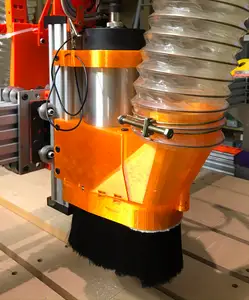
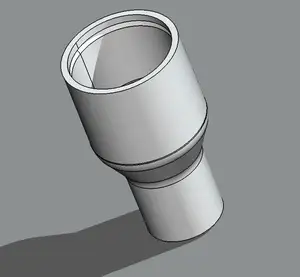
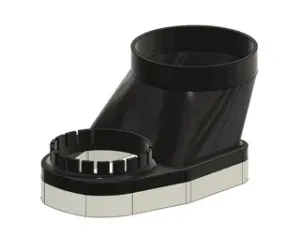


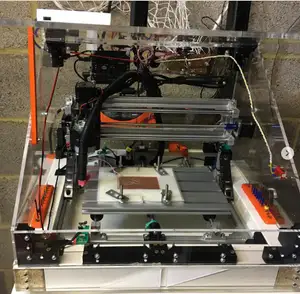

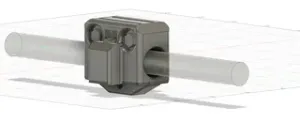

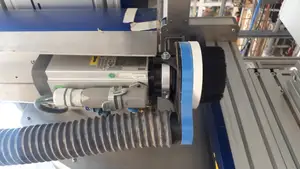

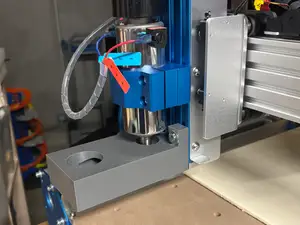
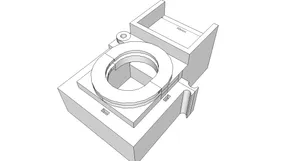

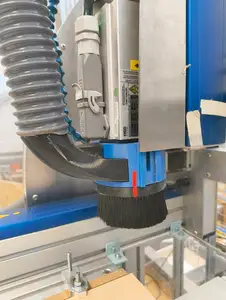
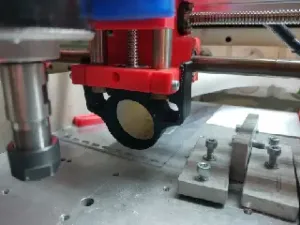
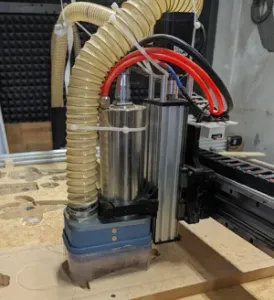
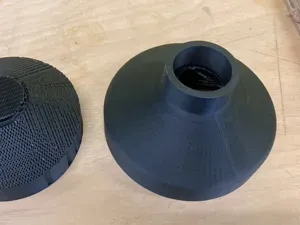


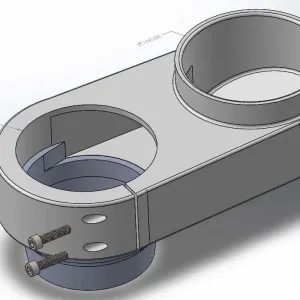
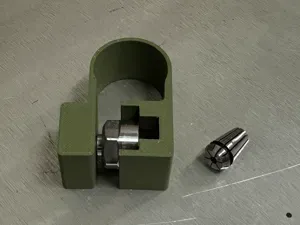

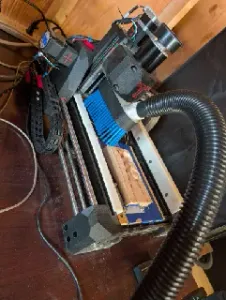
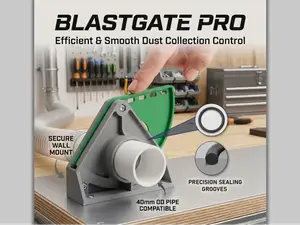
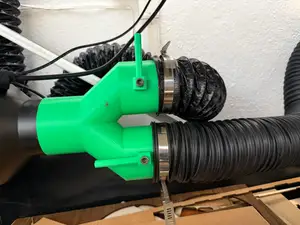
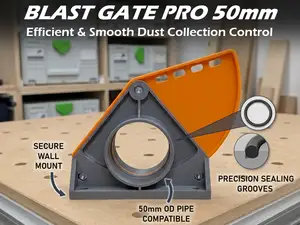
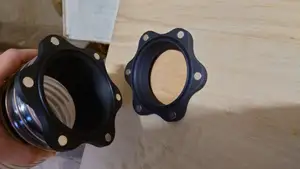
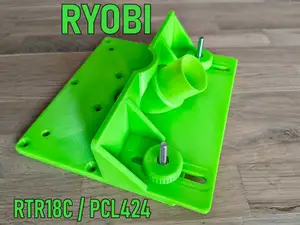
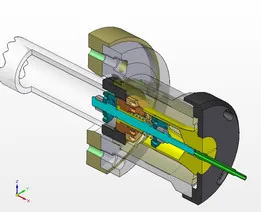
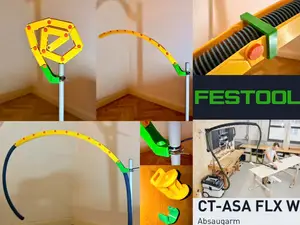
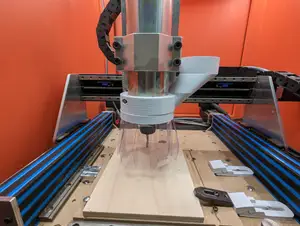
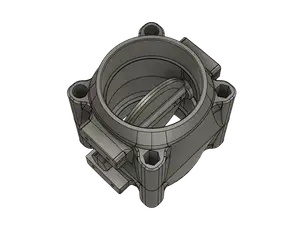
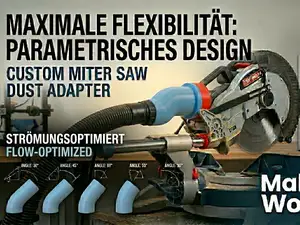

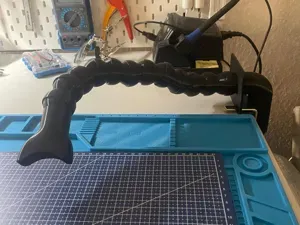
The models fall into a few groups. Dust shoes wrap around the cutter with a brush or skirt and connect to a hose; spindle masks and nozzles sit close to the collet; adapters join a hose end to a port or to a spindle clamp; brackets and feet bolt onto a gantry, Z axis or machine frame. Some designs are tied to one machine layout, while others are built around a measured spindle or hose diameter, so the same idea appears in several sizes and mounting styles.
Before printing, read the author's page for the dimensions the part was drawn around: spindle or collet diameter, hose inner and outer diameter, brush length and the space the shoe takes below the Z axis. Check how the part is fixed — screws, clamps or magnets — and whether the file is split into several pieces that need assembly. The material and settings the author lists matter as well, since a thin skirt or a clamp that flexes behaves differently in different filaments. Photos of real prints show how the part sits on a machine.
If the first results are too narrow, try other names for the same thing: dust shoe, chip extraction, dust collection foot, extraction nozzle, vacuum adapter, cyclone fitting. Searching by the spindle clamp size, the hose diameter or the machine frame type often brings up parts that a general phrase misses. Related searches such as Z axis mount, gantry bracket, enclosure port or hose holder can also lead to models that complete the same setup.





Der komplette Themenkatalog – von Wohnen & Haushalt bis CNC, mit Suche auf allen angebundenen Plattformen.

