
Free 
Fan Adapter - 60mm to 50mm fan!
Thingiverse
This collection gathers 3D models that bridge a 40 mm line to a 50 mm one: pipe reducers, fan adapters, hose and vacuum fittings, and mounting parts. It is useful when an off-the-shelf part does not match the diameters you already have, and a printed STL part can close the gap. The models come from several platforms, so the same idea appears in different shapes and wall thicknesses. Polyzon does not confirm whether models are free, their price, license, official status, affiliation, safety or fitness. Check the current terms at the source.
 A Polyzon collection · 48 models from 3 platforms
Polyzon assembles this collection from search results on the connected platforms. Repeats and models without a preview are removed, weak matches go to the end, and the rest keeps the search order. Models belong to their authors — check the terms on each model's page.
Selection rules: the Polyzon editorial team · Text updated 2026-10-13

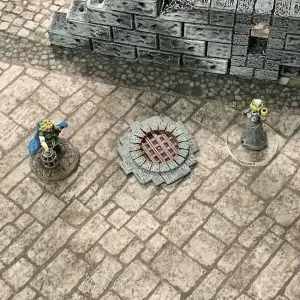

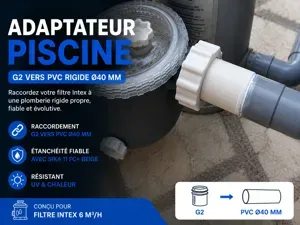

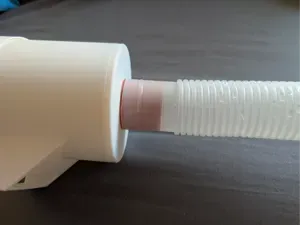
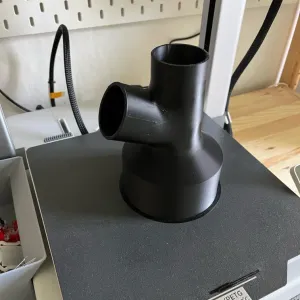

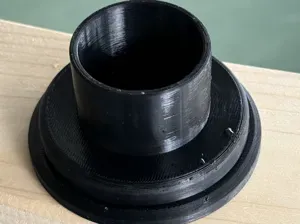
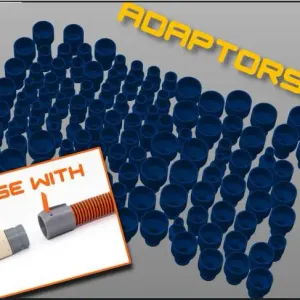

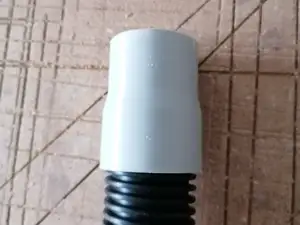
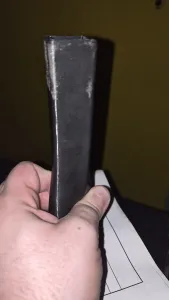

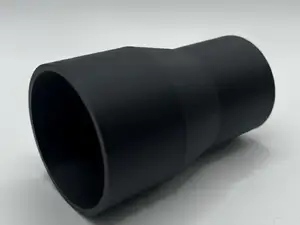
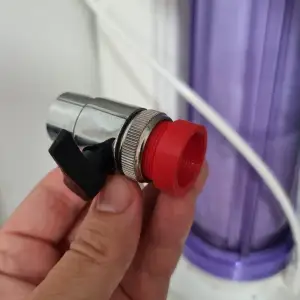

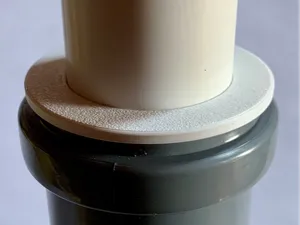
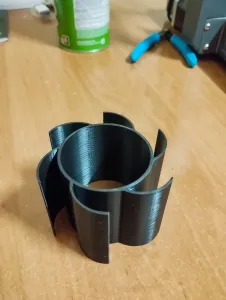

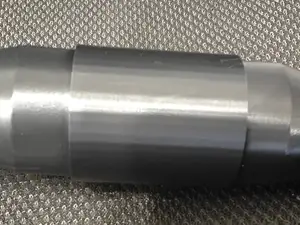
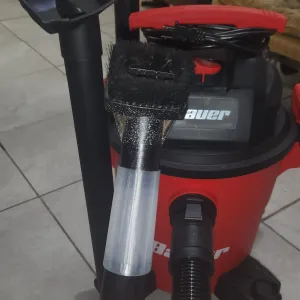

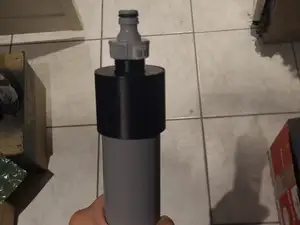
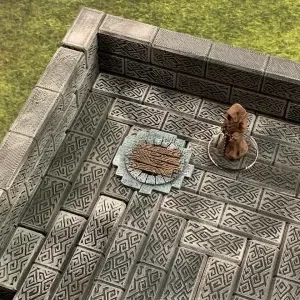

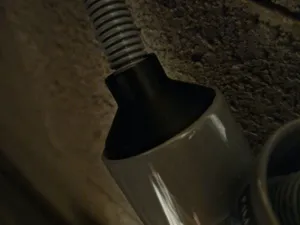
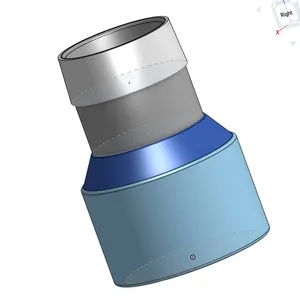

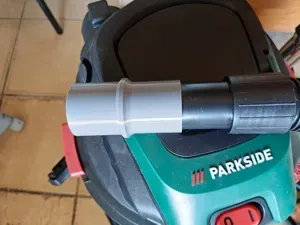
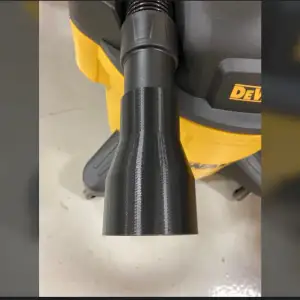

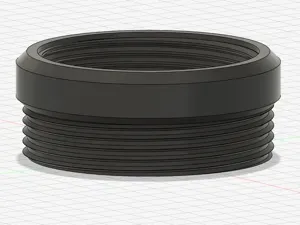
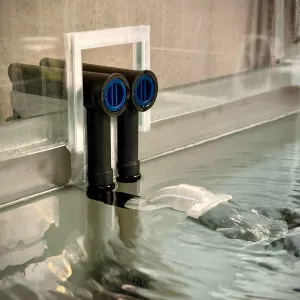

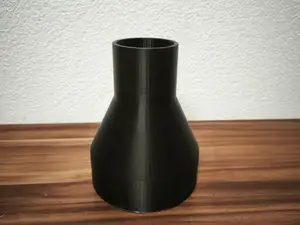

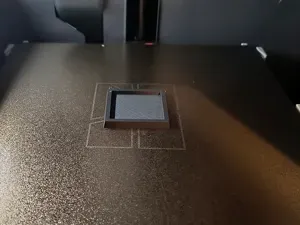
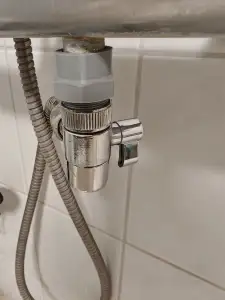

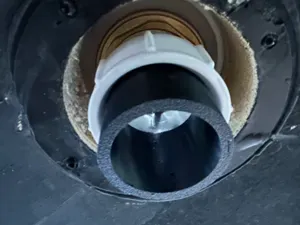
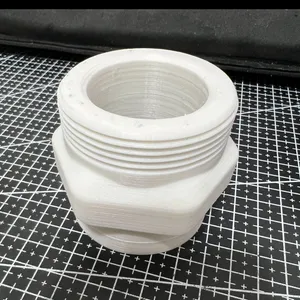
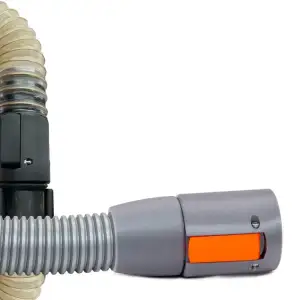
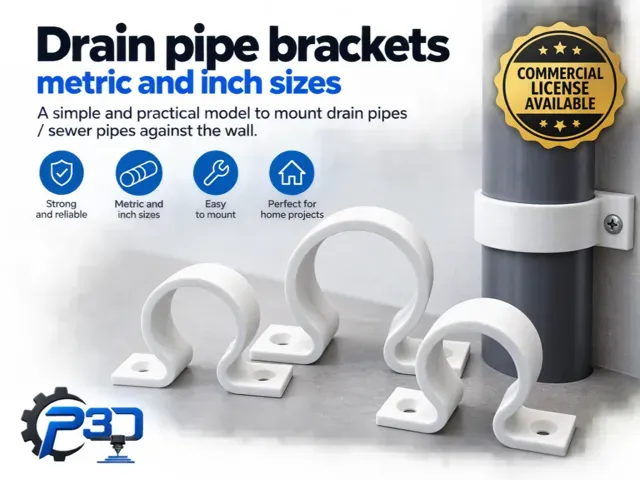
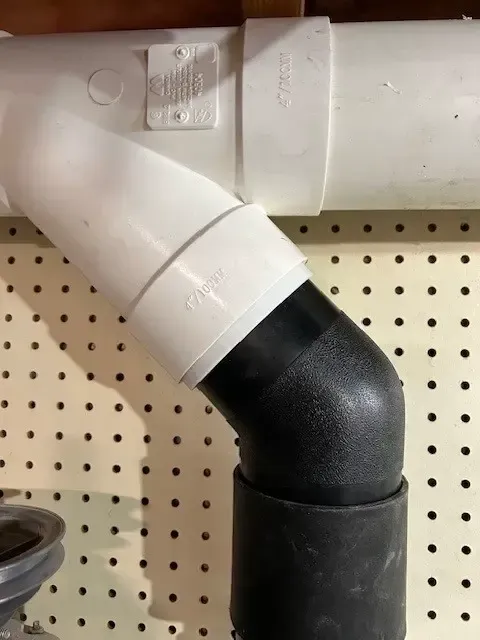
The most common group is the straight reducer, a short cone or stepped tube that takes a 40 mm pipe or socket on one side and a 50 mm one on the other. Fan and blower adapters follow the same logic but are shaped around a round or square housing, often with a flange and screw holes. Hose, vacuum and pool fittings add threads or barbs, while brackets and supports hold the pipe itself rather than connect two ends.
Before printing, open the author's model page and read the dimensions: inner and outer diameter, socket depth, wall thickness and overall length. Check how many parts the model has and whether they are meant to be glued, screwed or pushed together, and whether the geometry needs supports. The material and settings the author lists matter here, since a thin-walled adapter behaves differently from a thick one, and photos of real prints show how the part actually fits.
If the first search gives few results, try synonyms such as reducer, transition, coupler, socket or sleeve, and add the nominal diameters in both directions. Related topics are worth a look too: dust extraction fittings, fan shrouds, hose adapters and pipe brackets often use the same connection standards. Combining a diameter with a use case, for example a drain or a workshop hose, usually narrows the list faster than a single keyword.
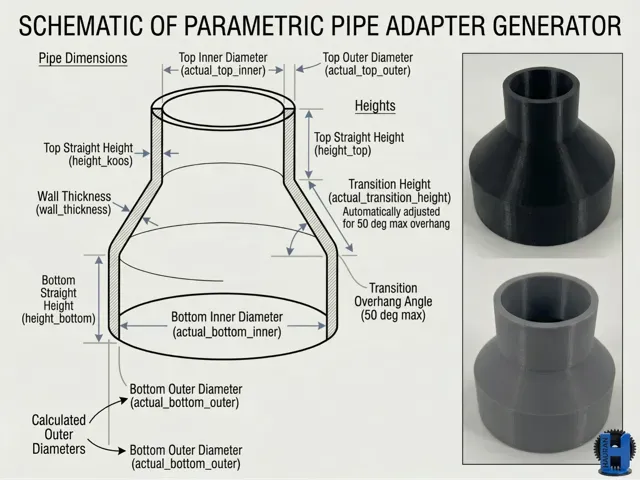
Scale and standard differ between regions, so two models with the same numbers in the title may not interchange. Measure the pipe you have with calipers, including the socket, and compare it with the drawing or dimensions given on the model page. Where the author provides a parametric file, you can adjust the diameters yourself instead of searching for another model.


The full catalog of topics — from home & household to CNC, searchable across the connected sources.