
Free 
анатомия руки
Cults3D
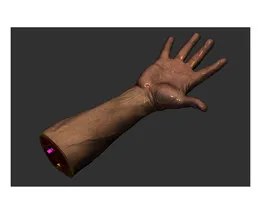
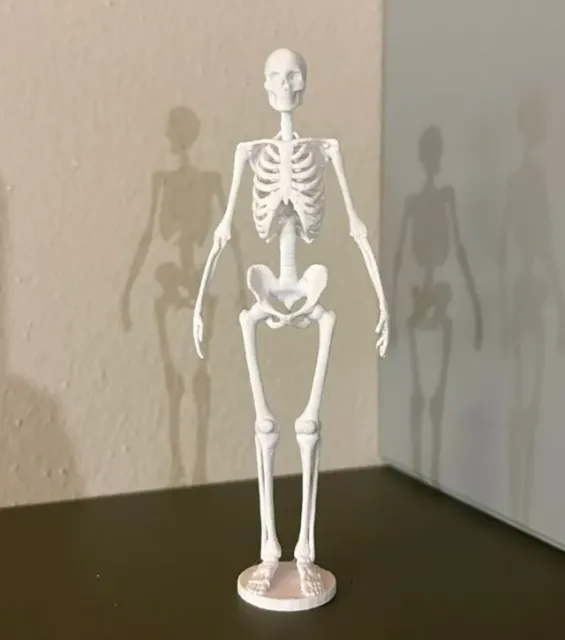
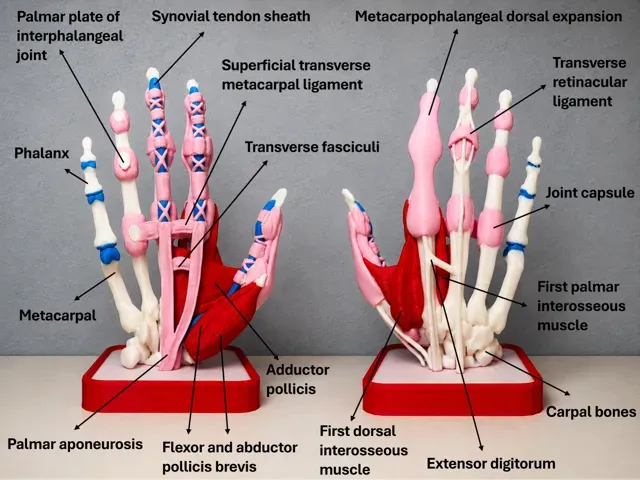
This collection gathers anatomy-themed 3D models: skeletons and single bones, muscle and écorché figures, full-body male and female references, and detailed hand studies. Alongside these there are stylised takes, where anatomy is applied to game characters or food figures. It is useful for 3D printing when you need a study aid, a drawing reference or a decorative piece built around the human form. Polyzon does not confirm whether models are free, their price, license, official status, affiliation, safety or fitness. Check the current terms at the source.
 A Polyzon collection · 47 models from 8 platforms
Polyzon assembles this collection from search results on the connected platforms. Repeats and models without a preview are removed, weak matches go to the end, and the rest keeps the search order. Models belong to their authors — check the terms on each model's page.
Selection rules: the Polyzon editorial team · Text updated 2026-10-10


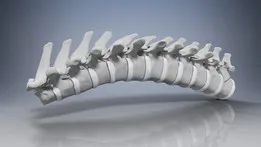
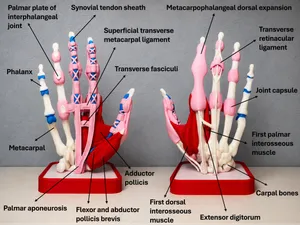
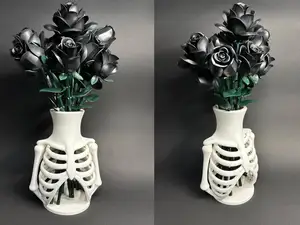

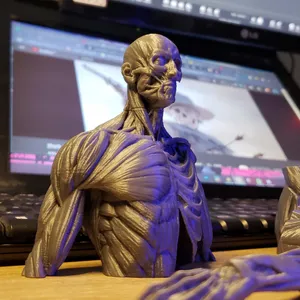

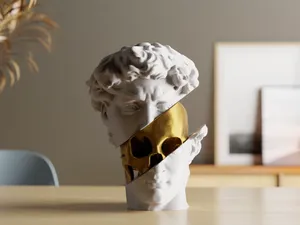


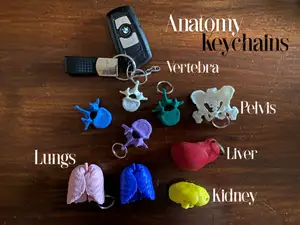

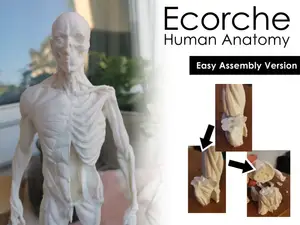


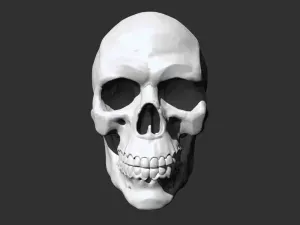
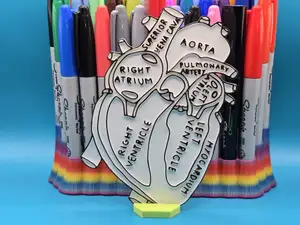

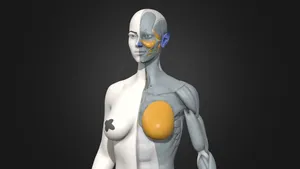

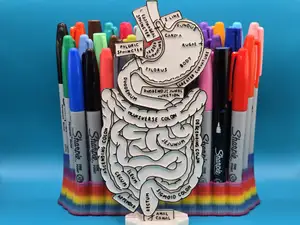
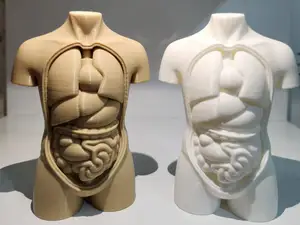


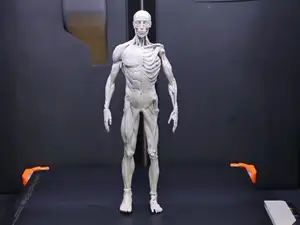
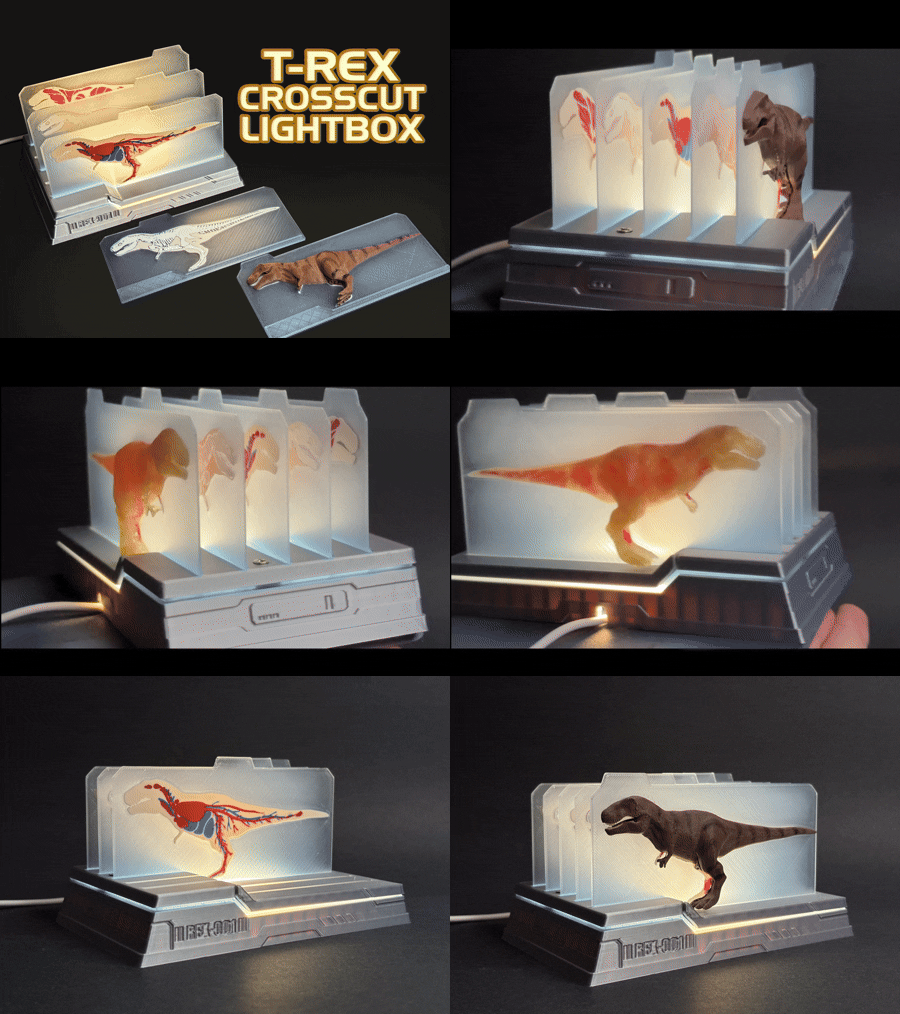


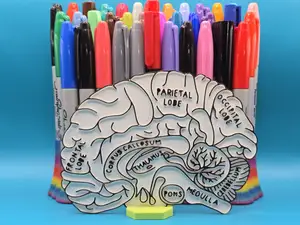
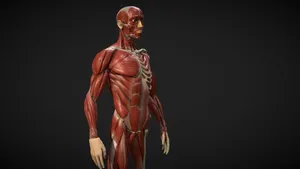


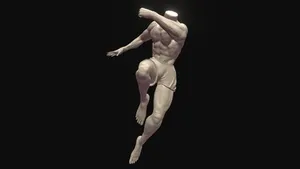
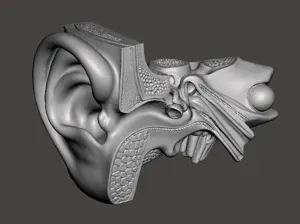
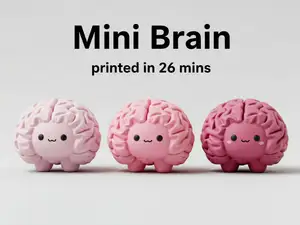
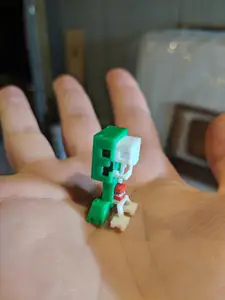

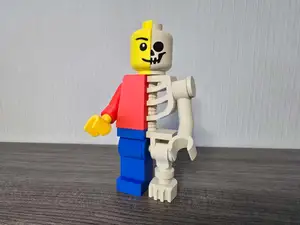

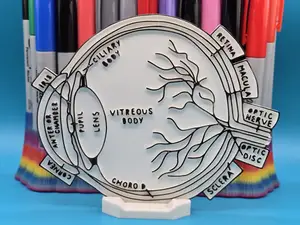
The range runs from single elements to complete figures. Bone and skull studies usually come as one solid piece, while écorché and muscular models are often split into layers so the surface and the tissue underneath can be seen separately. Full-body references tend to be larger and heavier on material, and hand or wrist models sit in between, with more fine geometry than a plain bone shape. Stylised versions borrow the same shapes but simplify them for a different purpose.
Before printing, open the author's page and read what is listed there. Check the stated size and scale, since anatomy models are often given in centimetres or as a fraction of life size, and that decides how much detail survives on your nozzle. Look at the number of parts and whether assembly is required, whether supports are needed for overhanging areas such as fingers or ribs, and which material and settings the author used. Photos of real prints are the most useful thing to compare against your own setup.
If the results feel too narrow, try related wording. Searches for skeleton, skull, bones, muscles, torso or écorché pull different sets of models, and adding a body part such as hand, spine or heart narrows things further. Terms like reference, study or educational bring up models made for learning rather than display, while character or figure names lead to stylised anatomy. Combining a body part with a scale or height often helps when you already know the size you want.


The full catalog of topics — from home & household to CNC, searchable across the connected sources.