

Free 
BricsCAD vintage style staircase with a twist
Thingiverse
This collection gathers STL files for balusters and the parts that hold them: turned profiles, square connectors, brackets, jigs and spacers. It is useful when you are repairing a railing, building a model staircase or preparing a file for a CNC machine. Most items are small enough for a desktop 3D printer, though long profiles may need splitting or a larger build volume. Polyzon does not confirm whether models are free, their price, license, official status, affiliation, safety or fitness. Check the current terms at the source.
 A Polyzon collection · 44 models from 4 platforms
Polyzon assembles this collection from search results on the connected platforms. Repeats and models without a preview are removed, weak matches go to the end, and the rest keeps the search order. Models belong to their authors — check the terms on each model's page.
Selection rules: the Polyzon editorial team · Text updated 2026-10-14


%2Fhttps%3A%2F%2Ffbi.cults3d.com%2Fuploaders%2F49890028%2Fillustration-file%2F23052227-03e4-42a1-a95d-374aaa0e9d6c%2F13-Stolb-2.jpg&w=300)


%2Fhttps%3A%2F%2Ffbi.cults3d.com%2Fuploaders%2F13420231%2Fillustration-file%2F09512c78-e4f8-4c58-a8dc-07e2461dfce6%2F06.jpg&w=300)


%2Fhttps%3A%2F%2Ffbi.cults3d.com%2Fuploaders%2F13420231%2Fillustration-file%2F748a78d3-fd80-4cb7-80c0-90cb16730e0a%2F37.jpg&w=300)


%2Fhttps%3A%2F%2Ffbi.cults3d.com%2Fuploaders%2F13420231%2Fillustration-file%2F6e9c07bc-9f61-48e9-99ee-d0dd487f5fba%2F05.jpg&w=300)


%2Fhttps%3A%2F%2Ffbi.cults3d.com%2Fuploaders%2F13420231%2Fillustration-file%2F779ed03c-b66b-4f87-8e85-36e14e40e1cd%2F78.jpg&w=300)
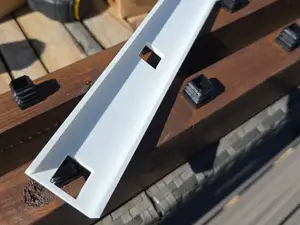

%2Fhttps%3A%2F%2Ffbi.cults3d.com%2Fuploaders%2F16565031%2Fillustration-file%2F3d30dd19-bf3e-4fae-9061-3ce9f144c5f3%2FCaptura-de-pantalla-2023-07-06-215430.png&w=300)

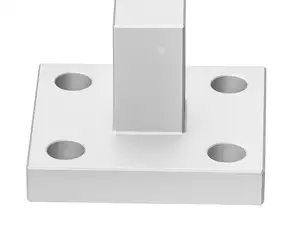

%2Fhttps%3A%2F%2Ffbi.cults3d.com%2Fuploaders%2F49890028%2Fillustration-file%2F6751e81e-bf9a-4ced-a034-8343abdca17a%2F5_Rama_dlya_zerkala-2.jpg&w=300)
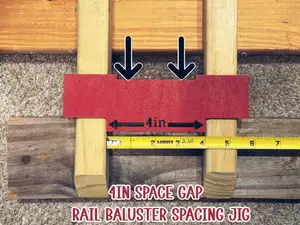

%2Fhttps%3A%2F%2Ffbi.cults3d.com%2Fuploaders%2F49890028%2Fillustration-file%2F0b0325f3-b3f6-4c90-bb2e-a6b24a9e50fd%2FRamka-015-2.jpg&w=300)


%2Fhttps%3A%2F%2Ffbi.cults3d.com%2Fuploaders%2F45444692%2Fillustration-file%2Fbe86b646-4185-450e-9f37-272dad410b45%2F1.jpg&w=300)

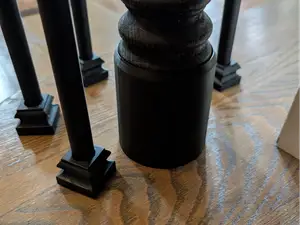

%2Fhttps%3A%2F%2Ffbi.cults3d.com%2Fuploaders%2F49890028%2Fillustration-file%2Fa4800033-763e-432d-9375-166b6c884d64%2FRamka-3-2.jpg&w=300)
![[DEPRECATED] 'Nucleus & Hydrus' Brushed Foam Dart Blasters](https://cache.polyzon.org/api/img?url=https%3A%2F%2Fmedia.printables.com%2Fmedia%2Fprints%2F1100386%2Fimages%2F8330766_1d94d50e-9600-436e-869a-9c96592f7b51_1d665755-9f6b-4745-b3cd-370f64aa9744%2Fnucleus1.jpg&w=300)

%2Fhttps%3A%2F%2Ffbi.cults3d.com%2Fuploaders%2F49890028%2Fillustration-file%2Fcd7c38f5-81c5-407f-914f-5a19add94bed%2FA172-2.jpg&w=300)


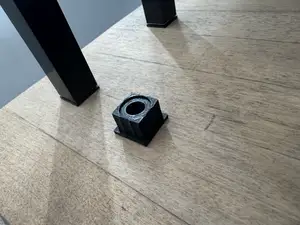
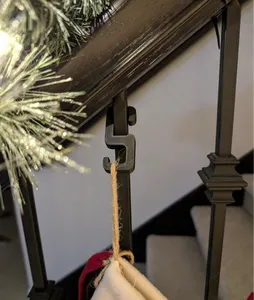
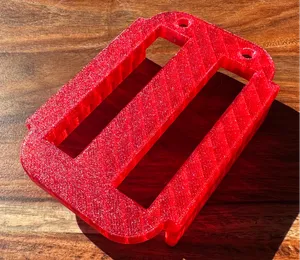
Balusters here fall into a few groups. Decorative turned and carved profiles imitate classic wood or cast iron shapes and are usually printed as single vertical pieces. Square balusters come with matching connectors, side brackets and flat mounts that join them to a handrail or a base. A separate group is made for milling: those files describe the profile rather than a finished printed part. There are also miniature versions for model houses and railings, and small accessories such as spacers and hooks.
When choosing a file, open the author's page and read the listed dimensions first. Check the overall height and the diameter or square section, the wall thickness, and whether the model is one piece or several parts that need assembly. Look at whether supports are required, how the part is oriented for printing, and which material and settings the author mentions. Photos of real prints help you judge how the profile and the joints actually come out.
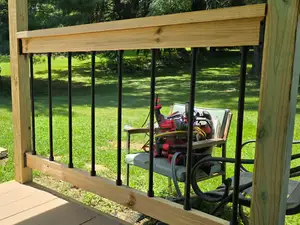
For structural parts, the joint matters more than the ornament. Connectors and brackets are usually designed around a specific section size, so measure your rail and base before picking a file. If you need a different look, try related terms: newel post, handrail, spindle, banister, porch railing, deck bracket, or furniture leg. For model work, search for scale terms such as 1:87 or model porch, and for workshop use try CNC profile or milling template.



The full catalog of topics — from home & household to CNC, searchable across the connected sources.
%2Fhttps%3A%2F%2Ffbi.cults3d.com%2Fuploaders%2F13420231%2Fillustration-file%2F4639ff7a-91a2-4774-a454-eb77e0e9e051%2F79.jpg&w=640)
