
Free 
Hodor Doorstop
Thingiverse
This collection gathers 3D models that hold a door open or keep it from swinging: wedges, shaped figures, flexible stoppers and floor-mounted blocks. Most of them are simple enough for a first 3D printing project, while the shaped ones double as small decorative objects. The range of styles means you can pick a form that matches the room rather than a plain rubber wedge. Polyzon does not confirm whether models are free, their price, license, official status, affiliation, safety or fitness. Check the current terms at the source.
 A Polyzon collection · 44 models from 3 platforms
Polyzon assembles this collection from search results on the connected platforms. Repeats and models without a preview are removed, weak matches go to the end, and the rest keeps the search order. Models belong to their authors — check the terms on each model's page.
Selection rules: the Polyzon editorial team · Text updated 2026-10-14



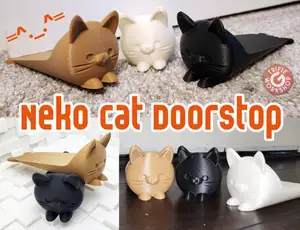


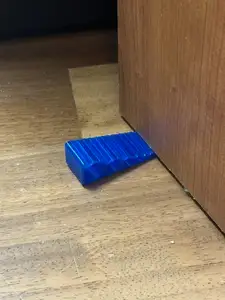


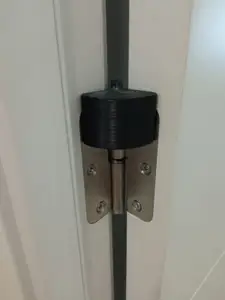

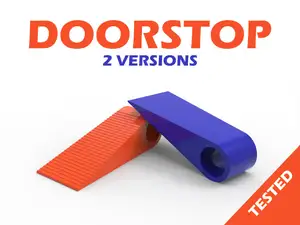
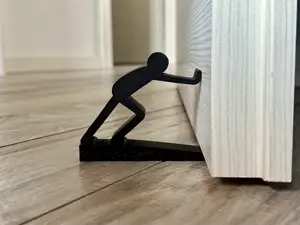


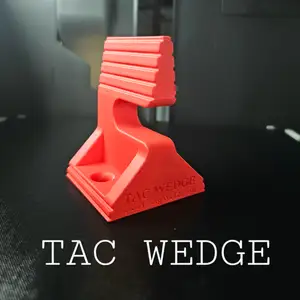


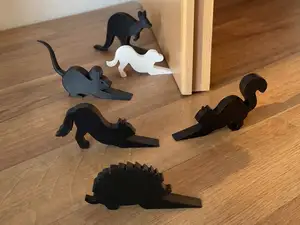



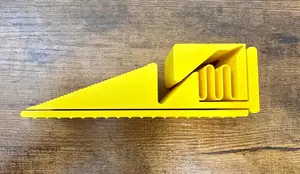

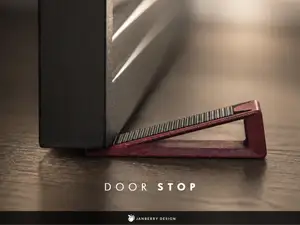


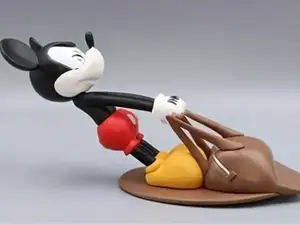


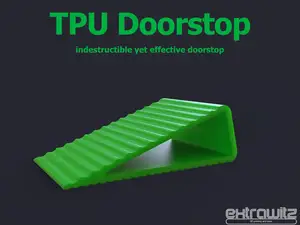

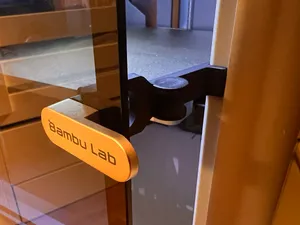


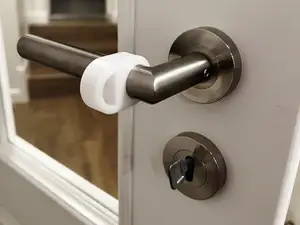
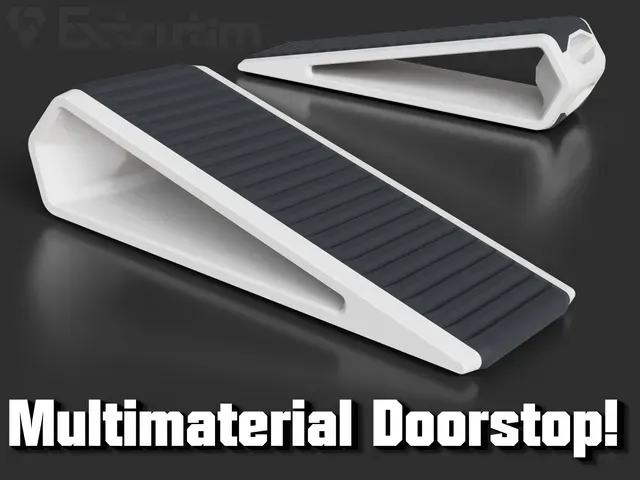
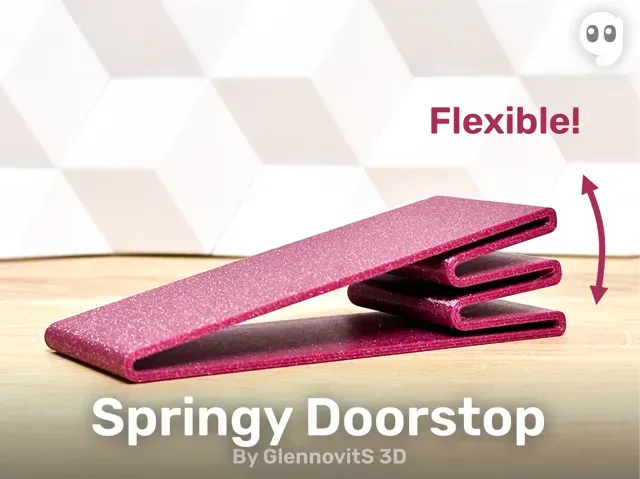
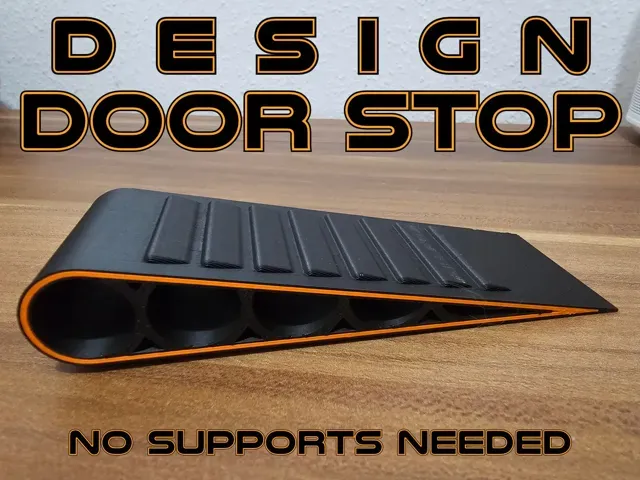
The designs fall into a few clear groups. Wedges and low blocks slide under the door and rely on friction and the door's weight; shaped stoppers — animals, characters, faces — sit on the floor and block the leaf directly. Flexible versions are printed in a soft filament so they grip the floor and compress slightly, and some models are made for a hinge or a wall so the door rests against them instead of the floor.
When you open a model page, look at the size and scale first: a stopper has to match the gap under your door and the door's weight, and small decorative versions may only work as a prop. Check how many parts are involved and whether they need assembly or glue, whether the author lists supports, and which material and settings they used — a rigid filament behaves very differently from a soft one. Photos of real prints are the most useful part of the page, since they show the actual proportions and surface.
If the results are too narrow, try other words for the same object: door wedge, door stopper, door block, or the shape you want, such as cat, dog or geometric. Related searches that often lead to usable models include door holder, cabinet stop, wall bumper and floor bumper, and adding a material name such as TPU or a print setting narrows the list further.


%2Fhttps%3A%2F%2Ffbi.cults3d.com%2Fuploaders%2F3362838%2Fillustration-file%2F1452113189-2990-3156%2F20160106_212719.jpg&w=300)


The full catalog of topics — from home & household to CNC, searchable across the connected sources.