
Free 
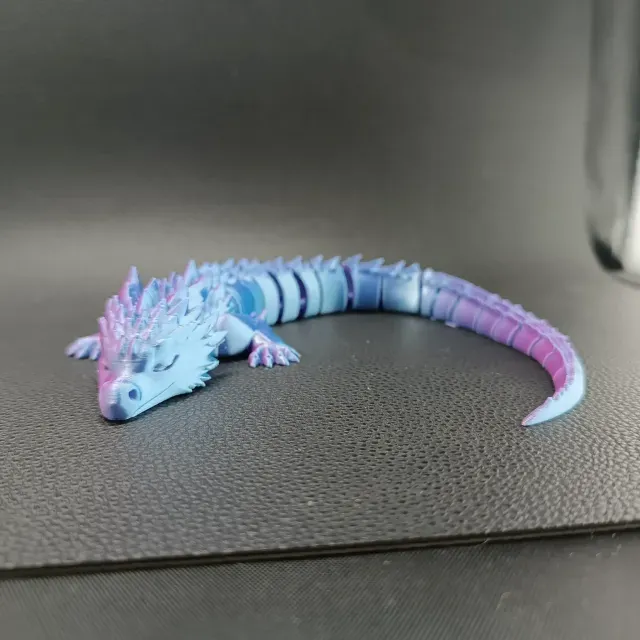
Yuari, baby magical dragon, articulated
Creality Cloud
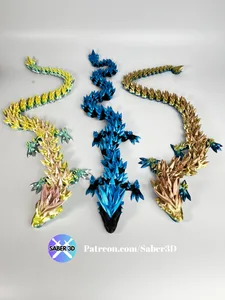
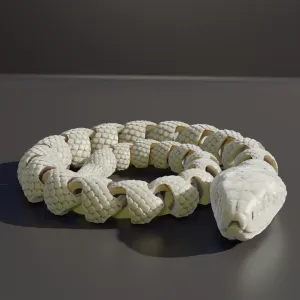
This collection gathers articulated dragon 3D models whose bodies are split into linked segments, so the finished figure bends and curls instead of standing rigid. It covers flexi toys, small baby dragons and themed variants that appear across several platforms. The files are meant for 3D printing at home, and most are prepared as STL meshes for a desktop 3D printer. Polyzon does not confirm whether models are free, their price, license, official status, affiliation, safety or fitness. Check the current terms at the source.
 A Polyzon collection · 48 models from 5 platforms
Polyzon assembles this collection from search results on the connected platforms. Repeats and models without a preview are removed, weak matches go to the end, and the rest keeps the search order. Models belong to their authors — check the terms on each model's page.
Selection rules: the Polyzon editorial team · Text updated 2026-10-13
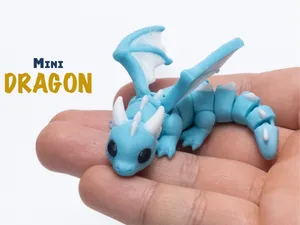

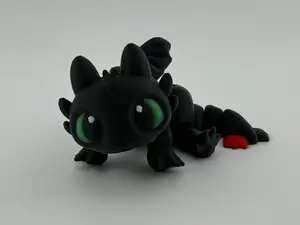

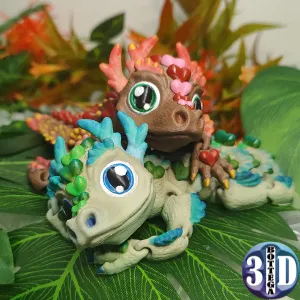


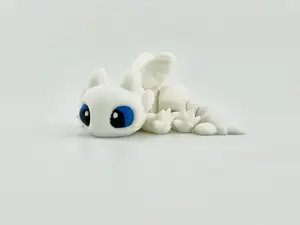
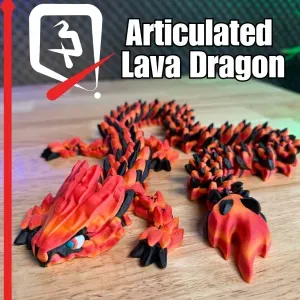
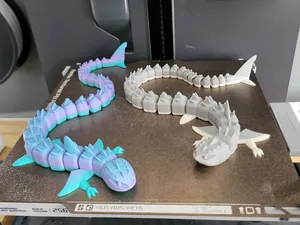


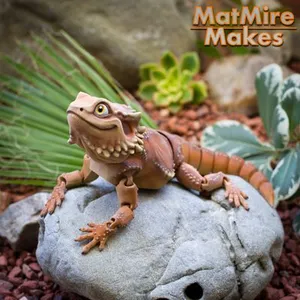
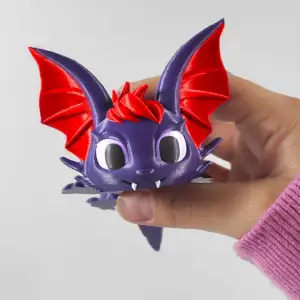
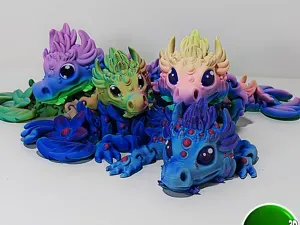

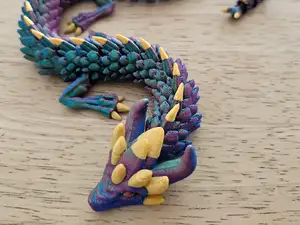
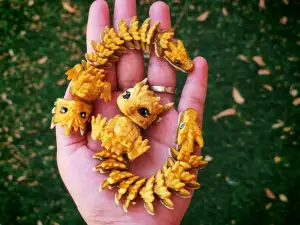
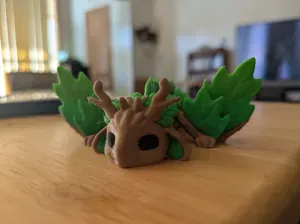
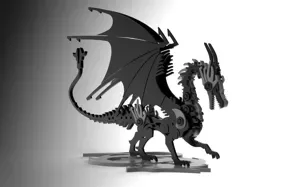


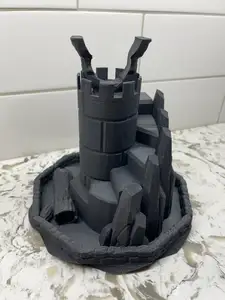
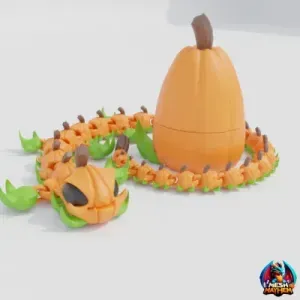

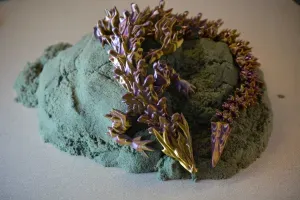

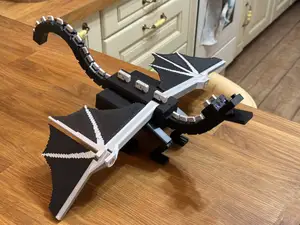
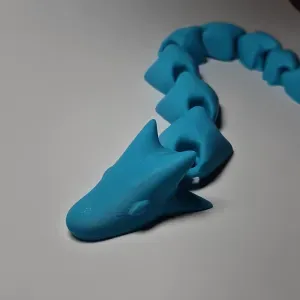

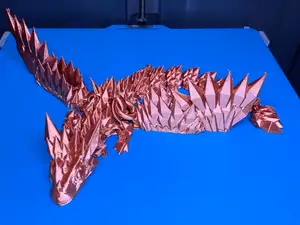
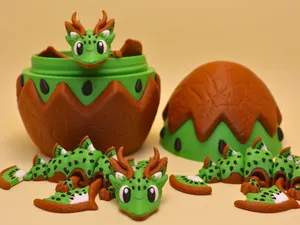
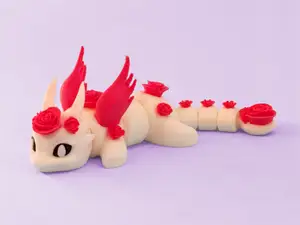

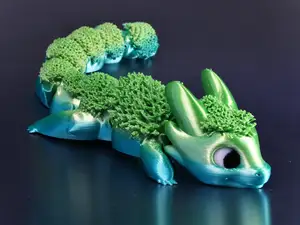
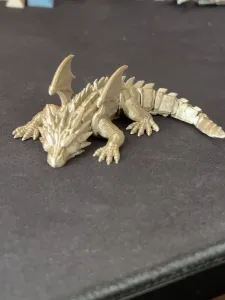
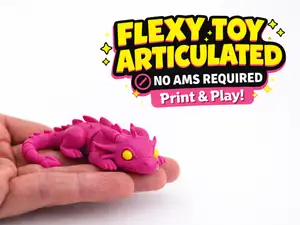
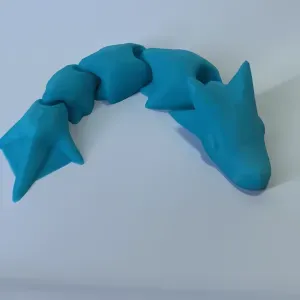



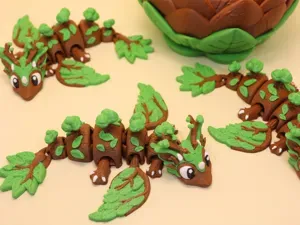
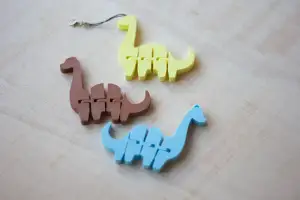
Most entries fall into a few recognizable groups: long flexi dragons with dozens of body segments, compact baby dragons with rounded proportions, and character-inspired figures that follow a film or game design. Elemental and themed versions change the surface treatment rather than the mechanism, so a lava, bone or forest dragon usually shares the same joint layout as a plain one. Print-in-place toys are a separate group where the joints are already formed in the model and the whole figure comes off the plate as one piece.
Before printing, open the author's page and read the listed dimensions, since the same dragon can be scaled from a palm-sized toy to a shelf piece, and joint clearance changes with scale. Check how many parts are included, whether the head or wings are separate, and whether the author expects supports on overhangs. Material and settings matter for the joints: a stiff filament can make segments lock up, while a slightly flexible one keeps them moving. Photos of real prints on the model page show how the segments sit after assembly better than any render.
Search results widen quickly if you try related wording: flexi, print-in-place, snap-fit, segmented, wyvern, serpent dragon or dragon toy. Adding a size or use word such as mini, keychain, desk or large helps narrow the list. If you want a specific look, combine the dragon term with a theme like ice, fire, forest, skeleton or cartoon, and check the tags the author used.
Another useful filter is the joint style: ball-and-socket links, hinge pins or a single continuous spine. Each behaves differently on the plate, so it is worth reading the description before committing to a long print.

%2Fhttps%3A%2F%2Ffbi.cults3d.com%2Fuploaders%2F12912055%2Fillustration-file%2Fea11c1f5-5287-477f-8bca-98b992c91c67%2F20190315_165236.gif&w=300)

The full catalog of topics — from home & household to CNC, searchable across the connected sources.