
Free 
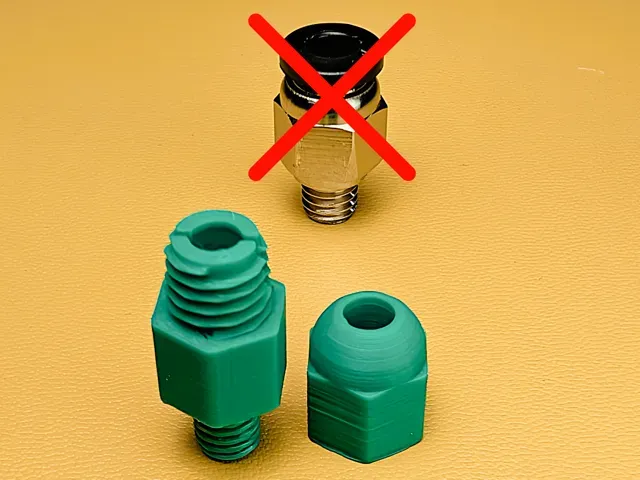
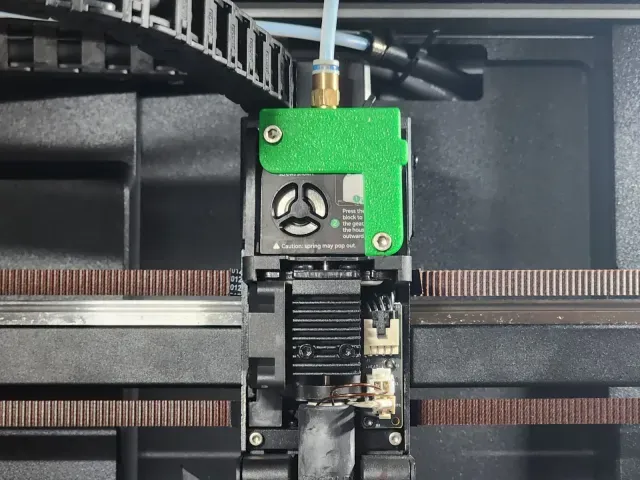
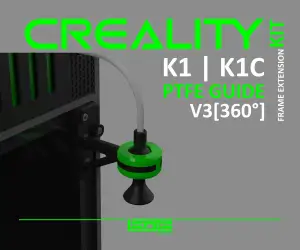
Nut for filament tube fitting
Thingiverse
This collection gathers STL files for tube and pipe fittings used in 3D printing setups and in general plumbing work: filament-path connectors, threaded adapters, barbed hose joints and retaining nuts. It helps you find a part by thread standard or tube diameter instead of browsing whole printer categories. Polyzon does not confirm whether models are free, their price, license, official status, affiliation, safety or fitness. Check the current terms at the source.
 A Polyzon collection · 44 models from 3 platforms
Polyzon assembles this collection from search results on the connected platforms. Repeats and models without a preview are removed, weak matches go to the end, and the rest keeps the search order. Models belong to their authors — check the terms on each model's page.
Selection rules: the Polyzon editorial team · Text updated 2026-10-15


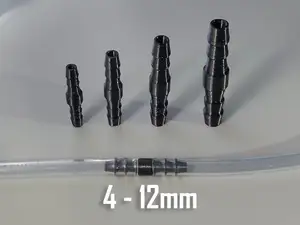
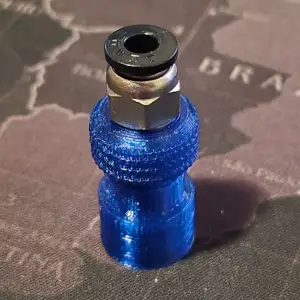

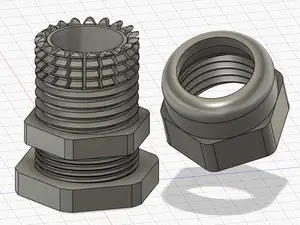
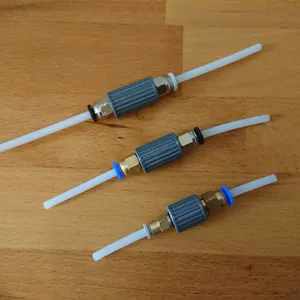

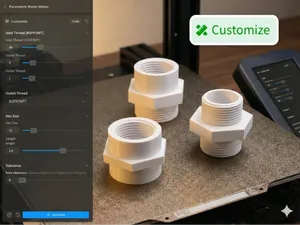
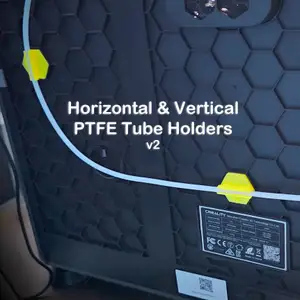

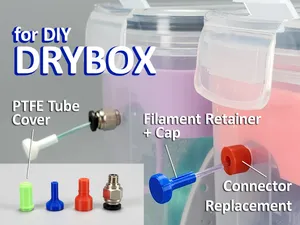
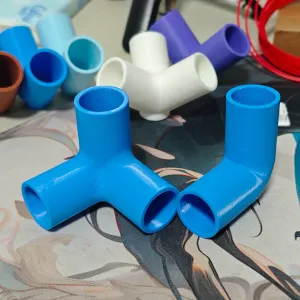

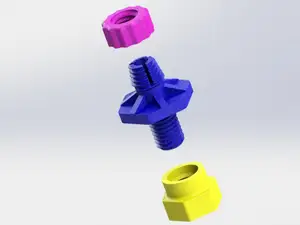
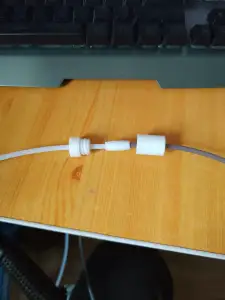
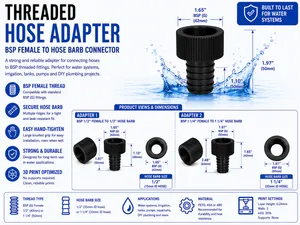
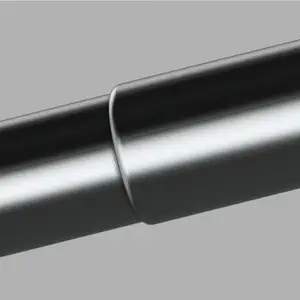

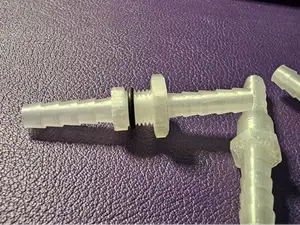


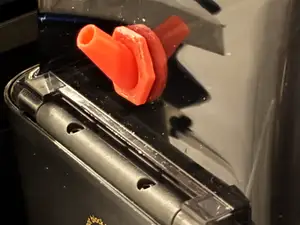
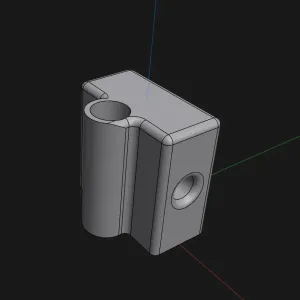
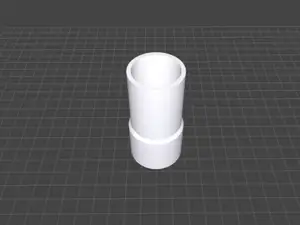
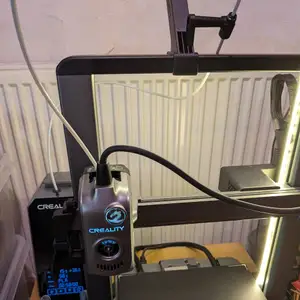

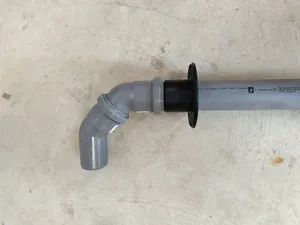
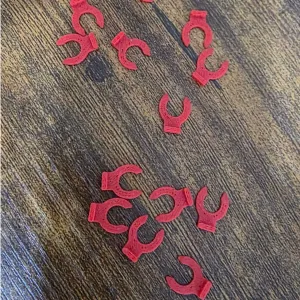

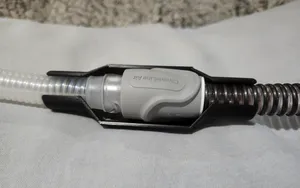
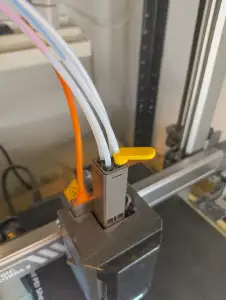

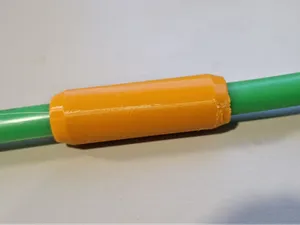
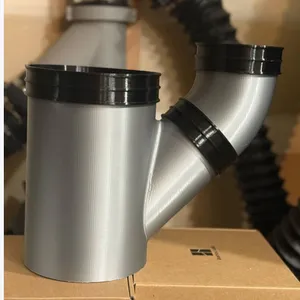
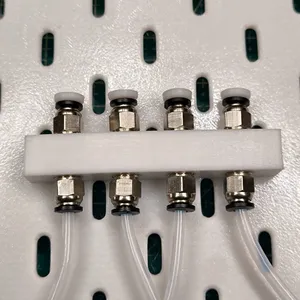


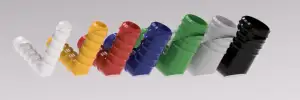
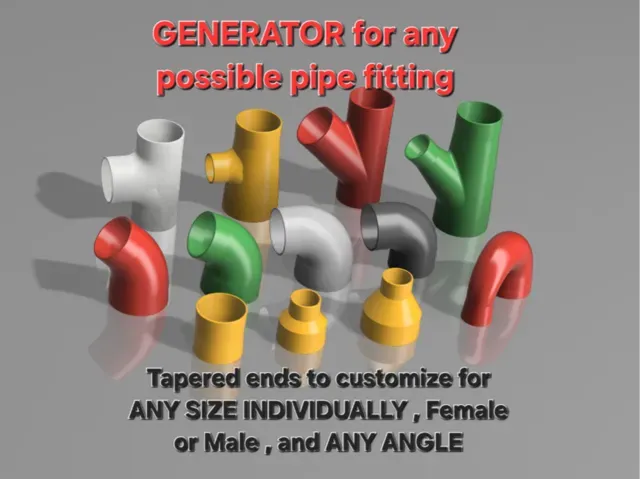
The models fall into a few groups. Filament-path connectors cover PTFE and Bowden tube fittings, including push-to-connect clamps, bulkhead versions and clips that hold tubing against a panel. Threaded adapters translate between BSP, NPT and metric threads, while barbed and compression connectors join larger tubes and hoses. Nuts, extension pieces and wrenches support the assembly rather than carrying the tube itself.
Before printing, match the numbers on the model page to the parts you already have: thread standard and pitch, tube outer diameter, wall thickness, and the length of the barb or spigot. Check how many separate parts the author lists and whether they are meant to be glued, threaded or snapped together. Look at the orientation notes and whether supports are needed for overhanging threads, and read the material and settings the author records. Photos of real prints show how the threads and sealing surfaces came out.
Search terms vary by region and trade: pneumatic fitting, push-to-connect, quick connector, bulkhead fitting, hose barb, compression fitting, reducer and adapter all describe overlapping parts. Adding a thread or a size to the query narrows the list, as does naming the tube material or the place where it is used. Related topics such as drybox hardware, filament guides and pipe thread gauges often lead to parts that belong to the same assembly.
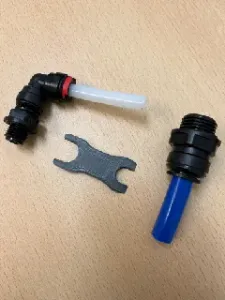

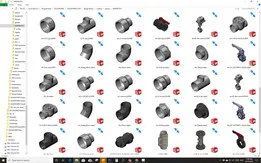


The full catalog of topics — from home & household to CNC, searchable across the connected sources.