
Free 
Flexi - Solder help
Thingiverse
This collection gathers flexi and print-in-place models: articulated creatures, fidget toys, holders, guards and covers. Most of them are designed as a single printed piece with moving joints, which makes them a common entry point into 3D printing. The examples below show how wide the range of shapes and functions is. Polyzon does not confirm whether models are free, their price, license, official status, affiliation, safety or fitness. Check the current terms at the source.
 A Polyzon collection · 47 models from 4 platforms
Polyzon assembles this collection from search results on the connected platforms. Repeats and models without a preview are removed, weak matches go to the end, and the rest keeps the search order. Models belong to their authors — check the terms on each model's page.
Selection rules: the Polyzon editorial team · Text updated 2026-10-14

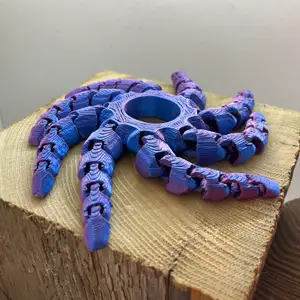

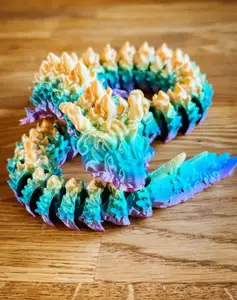
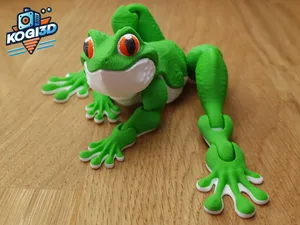

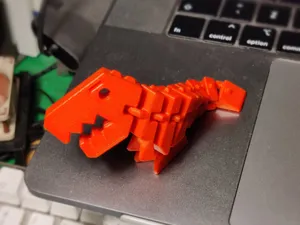
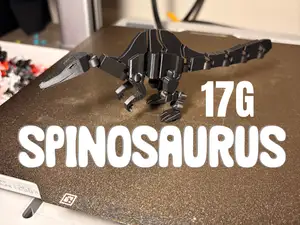

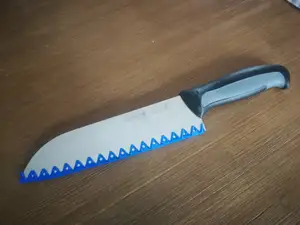
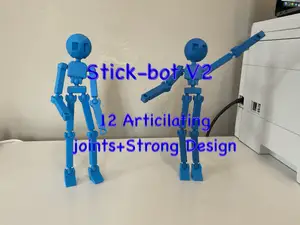

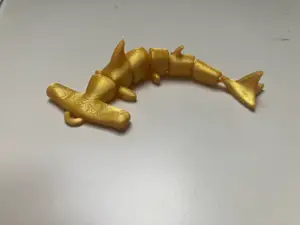
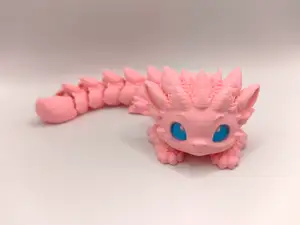

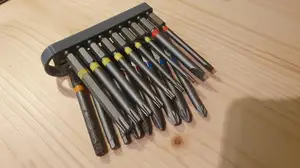
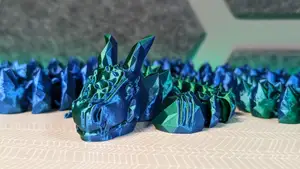

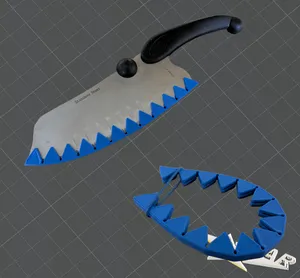
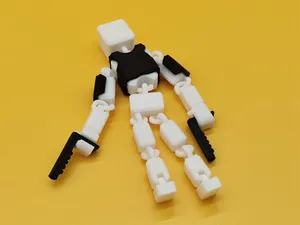

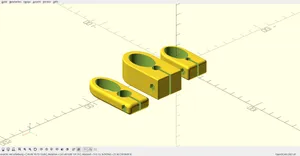
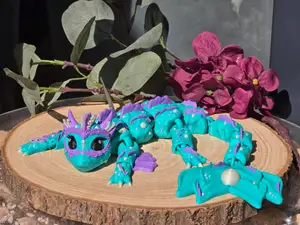

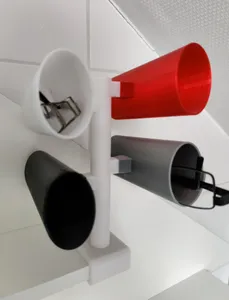
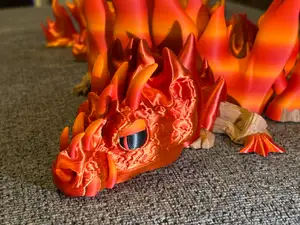

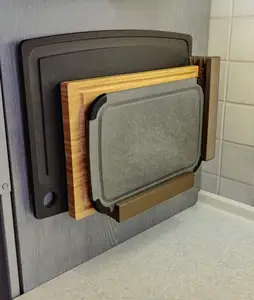
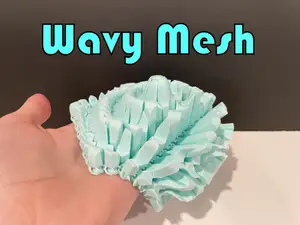

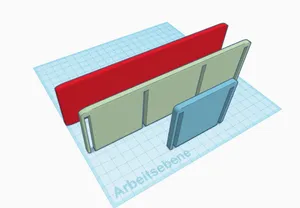
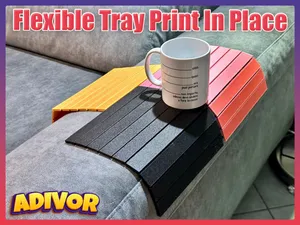

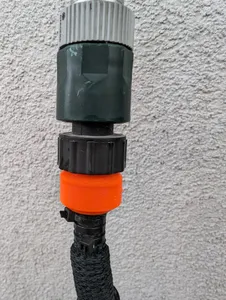
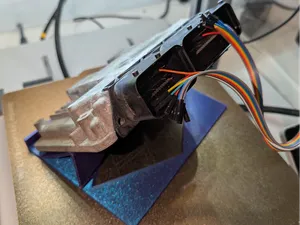

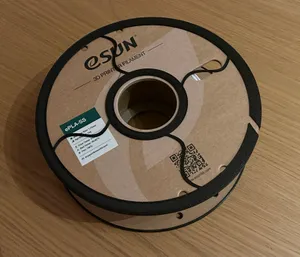
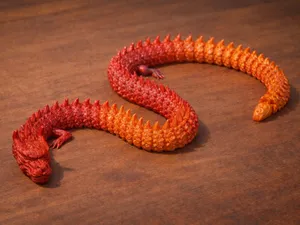

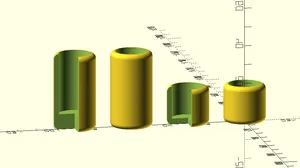
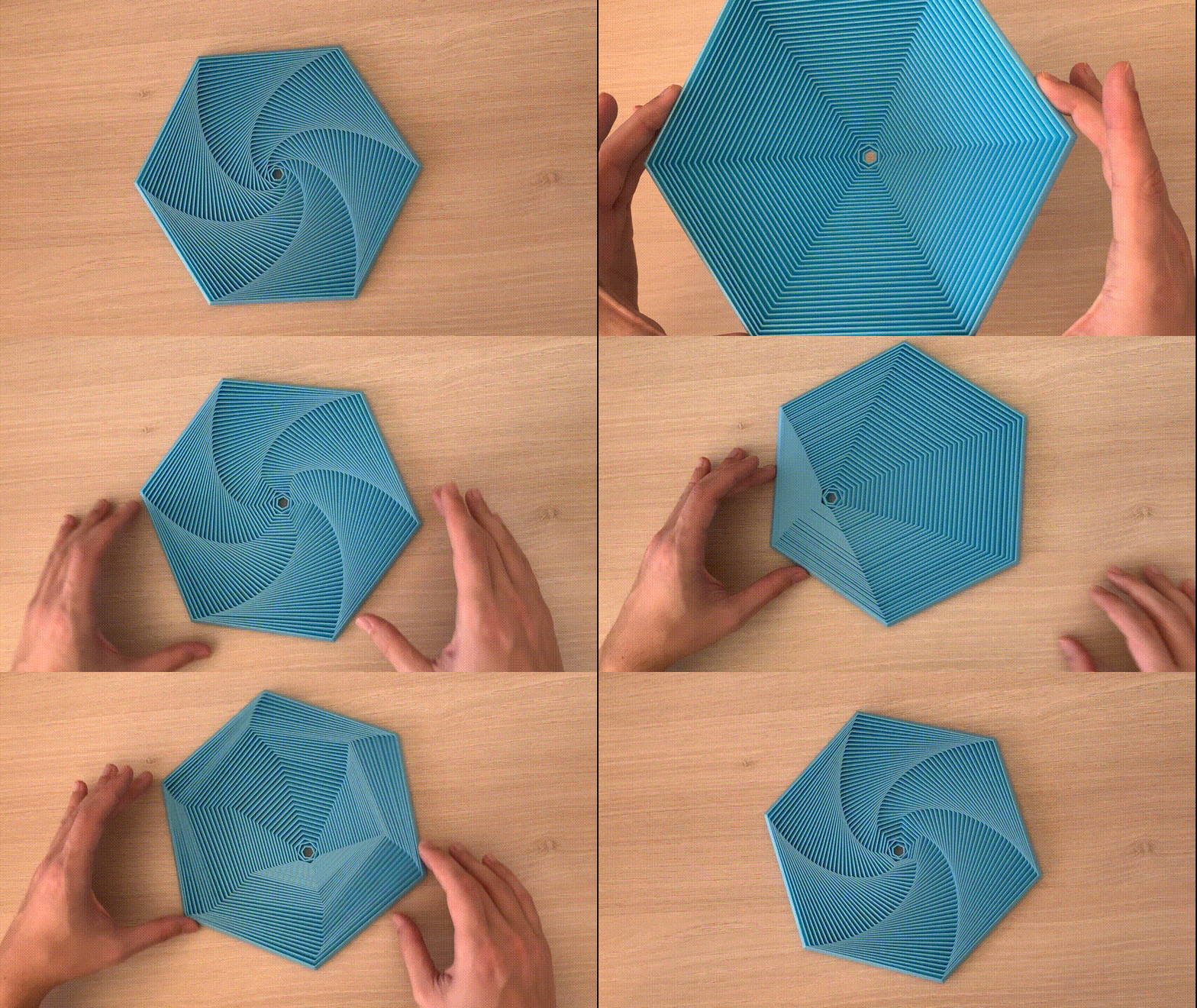

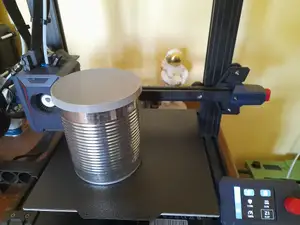
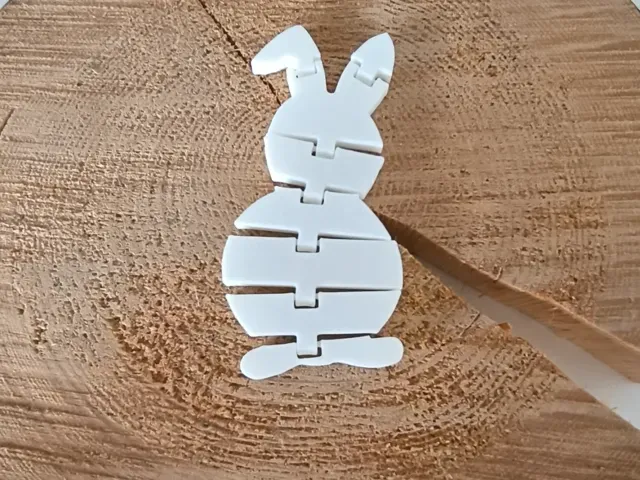
The models fall into a few recognizable groups. Articulated animals and fantasy creatures dominate, often built from a chain of linked segments. Fidget toys and spinners rely on the same joint logic but stay small. A third group is practical: holders, bit organizers, knife guards and phone covers, where flexibility comes from thin walls or living hinges rather than from separate joints.
When choosing a model, open the author's page and read the listed details before downloading. Scale and overall length matter, because a long articulated body may not fit your build plate. Check how many parts the model has, whether it prints as one piece or needs assembly, and whether the author states that supports are required. Material and settings listed by the author, together with photos of real prints, tell you more than the preview render.
To widen or narrow the results, try the synonyms used across titles: articulated, print-in-place, flexi, flexier, fidget and remix. Related searches such as dragon, fish, dinosaur, keychain, holder or spinner bring up different subsets of the same idea. Adding a material or a size word helps when you already know what your 3D printer can handle.




The full catalog of topics — from home & household to CNC, searchable across the connected sources.