
Free 
KINETIC SCULPUTURE
MakerWorld
This collection gathers kinetic sculpture 3D models that move through balance, wind, or hand interaction. You will find spiral forms, floating-ball mechanisms, and small desk pieces. The files are useful for 3D printing projects that explore motion rather than static shapes. Polyzon does not confirm whether models are free, their price, license, official status, affiliation, safety or fitness. Check the current terms at the source.
 A Polyzon collection · 48 models from 5 platforms
Polyzon assembles this collection from search results on the connected platforms. Repeats and models without a preview are removed, weak matches go to the end, and the rest keeps the search order. Models belong to their authors — check the terms on each model's page.
Selection rules: the Polyzon editorial team · Text updated 2026-10-11




%2Fhttps%3A%2F%2Ffbi.cults3d.com%2Fuploaders%2F13462880%2Fillustration-file%2F811129b1-6761-45c6-8e3b-0fe87ea2f008%2FSequence%252001.gif&w=300)

%2Fhttps%3A%2F%2Ffbi.cults3d.com%2Fuploaders%2F13395744%2Fillustration-file%2F3db316e0-4d02-44f4-a3d2-b504aa0aff53%2FGIF-200429_150121.gif&w=300)


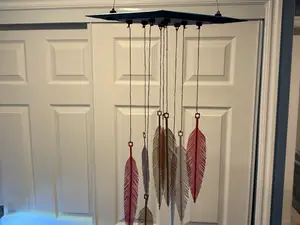
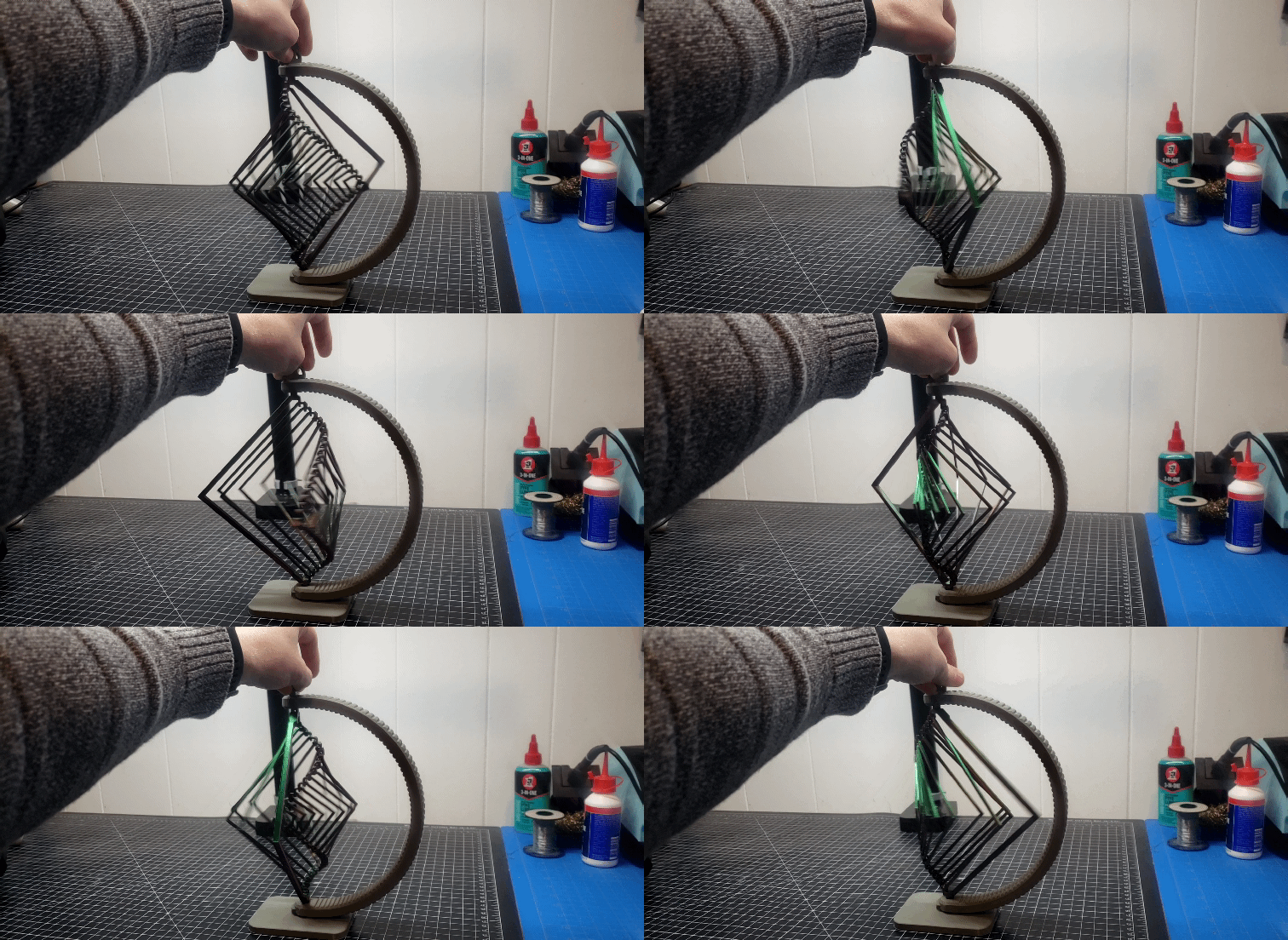




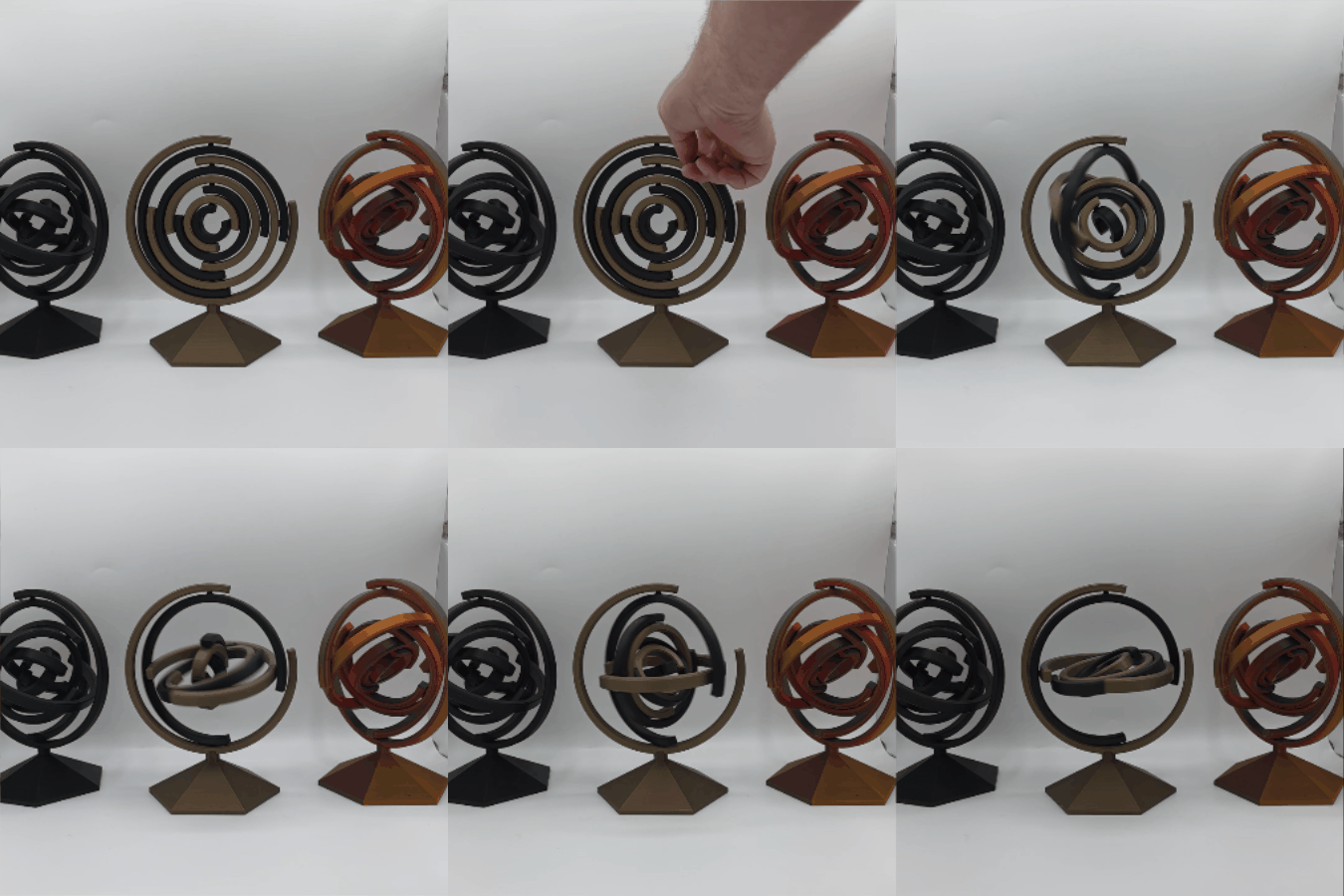
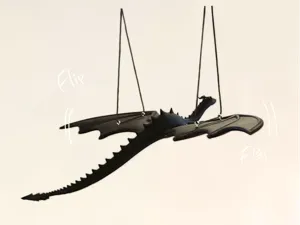

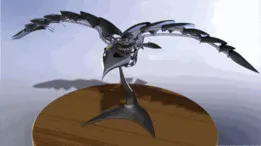


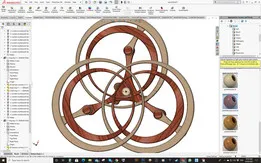



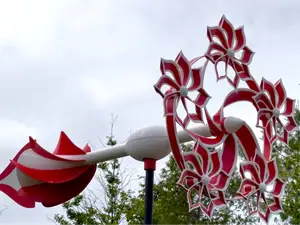


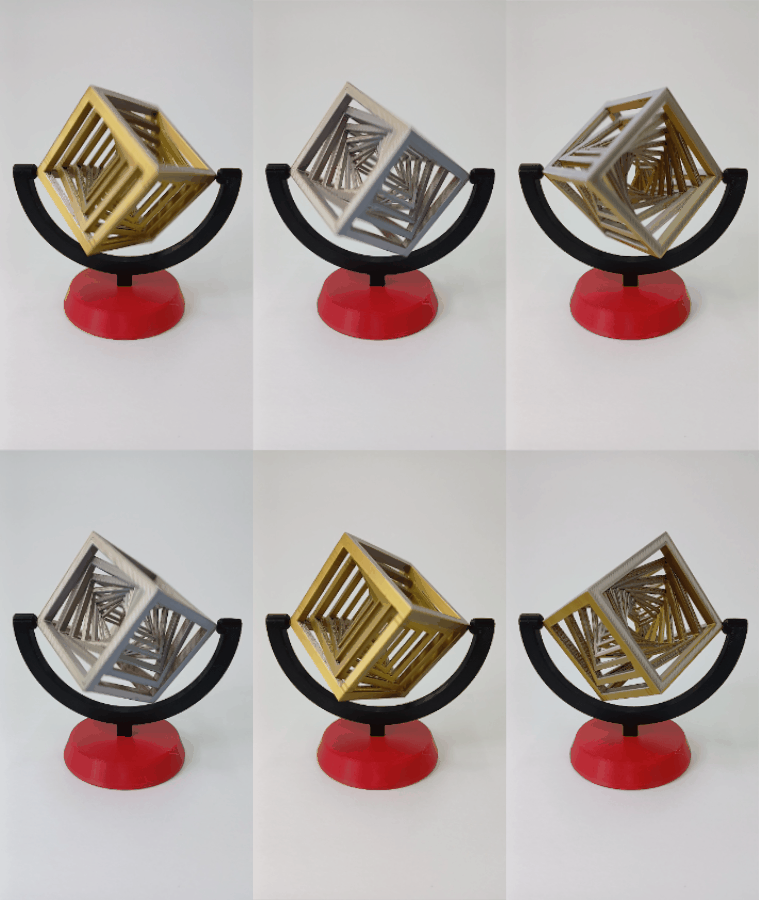

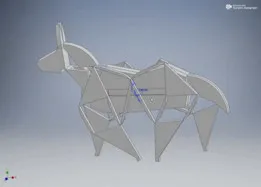


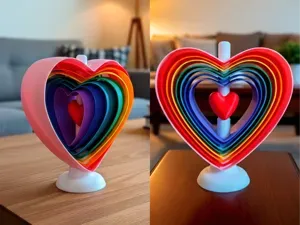

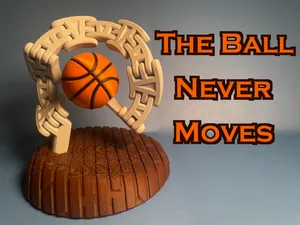

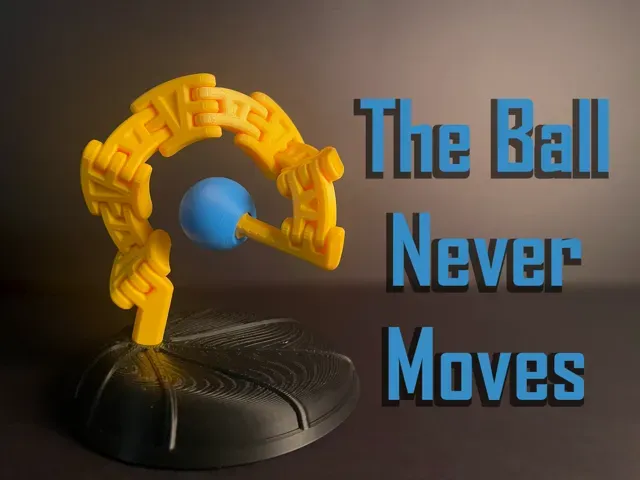
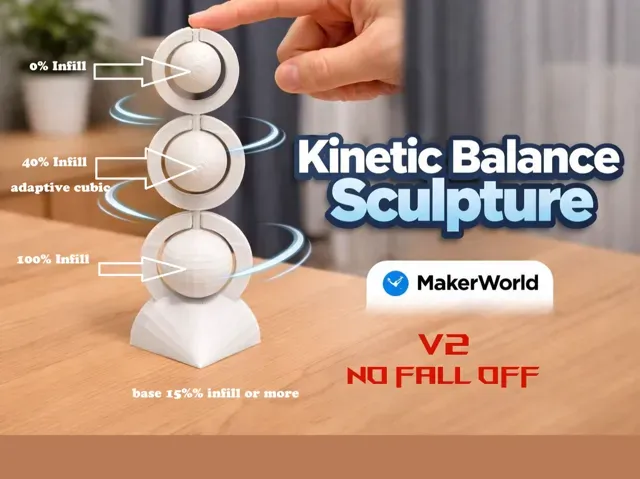
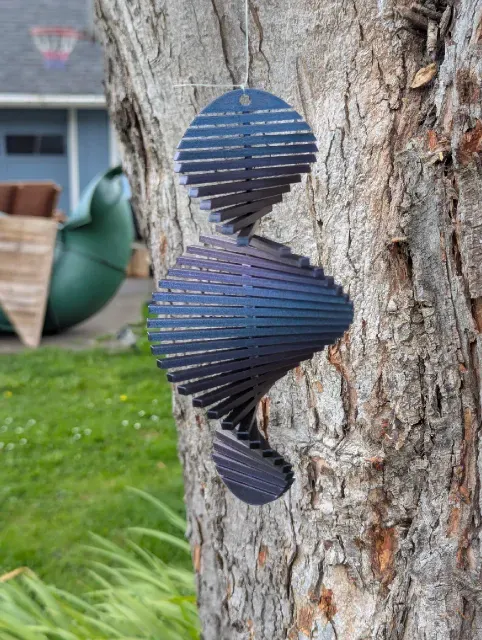
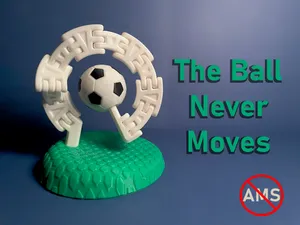
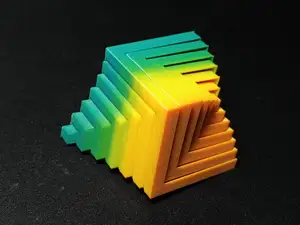
Kinetic sculptures in this collection range from spiral towers and helicone shapes to fixed-center pieces where a ball appears to float. Wind-driven designs hang and turn with air movement, while balance sculptures rely on counterweights and pivots. Small fidget versions are built for tabletop handling, and some figurative or animal forms add a recognizable silhouette to the motion.
When choosing a model, check the listed dimensions and scale, the number of parts, and whether the author shows assembly steps. Look at the photos of real prints to see how the moving joints are arranged and whether the piece needs supports during printing. The material and settings noted on the model page can affect stiffness, friction, and how smoothly the parts rotate.
To refine the search, try terms such as kinetic art, moving sculpture, desk toy, fidget spinner, and mechanical sculpture. Related topics include automata, marble machines, wind spinners, and balance toys. Combining a mechanism word with a form word, like spiral or hanging, can narrow results to a specific type of motion.




The full catalog of topics — from home & household to CNC, searchable across the connected sources.