
Free 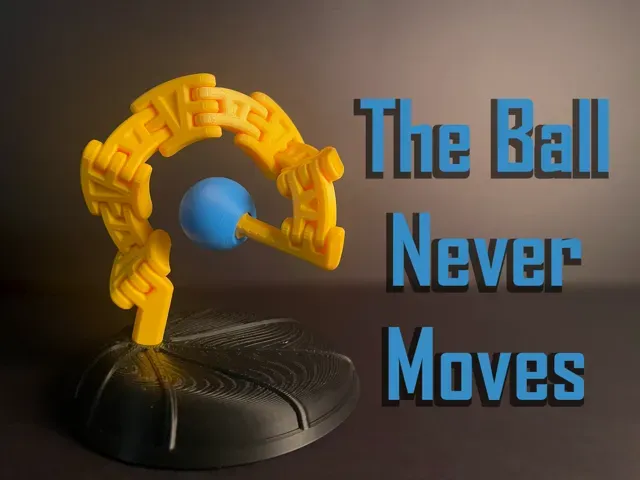
Fixed-Center Kinetic Sculpture | Floating Ball
MakerWorld
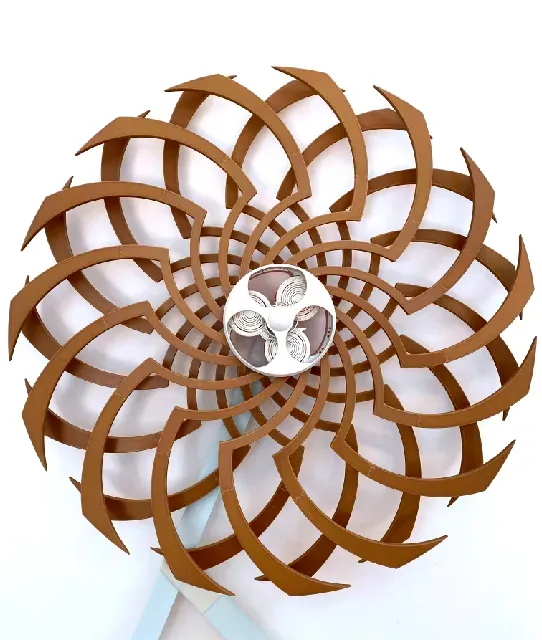
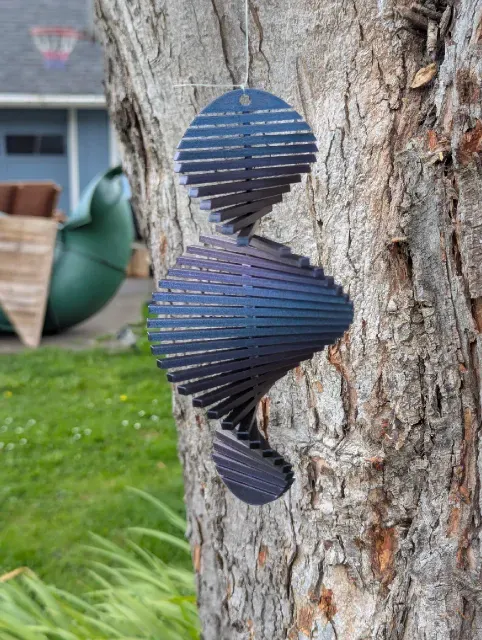
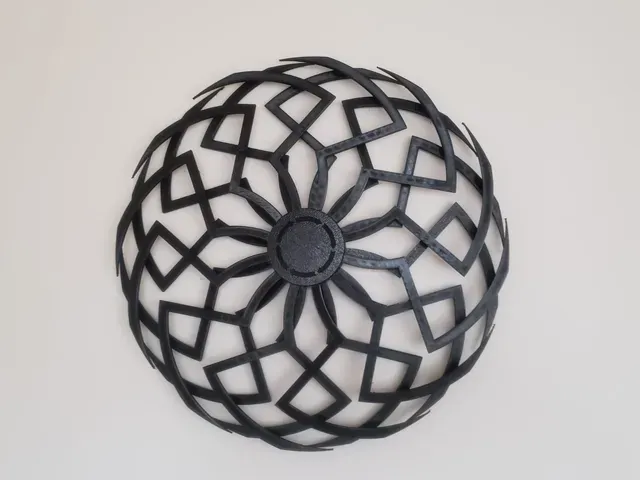
This collection gathers 3D-printable kinetic sculptures: fixed-center pieces, spiral and helicone shapes, print-in-place mechanisms, moving animal figures and spring-driven designs. Most of them are built around a simple idea — a shape that keeps moving after a light push or a turn of a handle. It is a useful starting point if you want an STL project where the motion matters as much as the silhouette. Polyzon does not confirm whether models are free, their price, license, official status, affiliation, safety or fitness. Check the current terms at the source.
 A Polyzon collection · 47 models from 6 platforms
Polyzon assembles this collection from search results on the connected platforms. Repeats and models without a preview are removed, weak matches go to the end, and the rest keeps the search order. Models belong to their authors — check the terms on each model's page.
Selection rules: the Polyzon editorial team · Text updated 2026-10-14


%2Fhttps%3A%2F%2Ffbi.cults3d.com%2Fuploaders%2F14156908%2Fillustration-file%2F64e743a9-9149-476a-b433-51057dff948a%2F48e8d2aacf096ae29f3f2e4f07a73288_display_large.jpg&w=300)
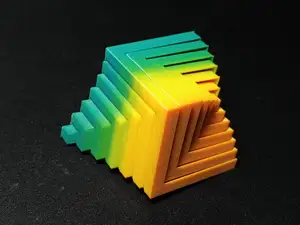


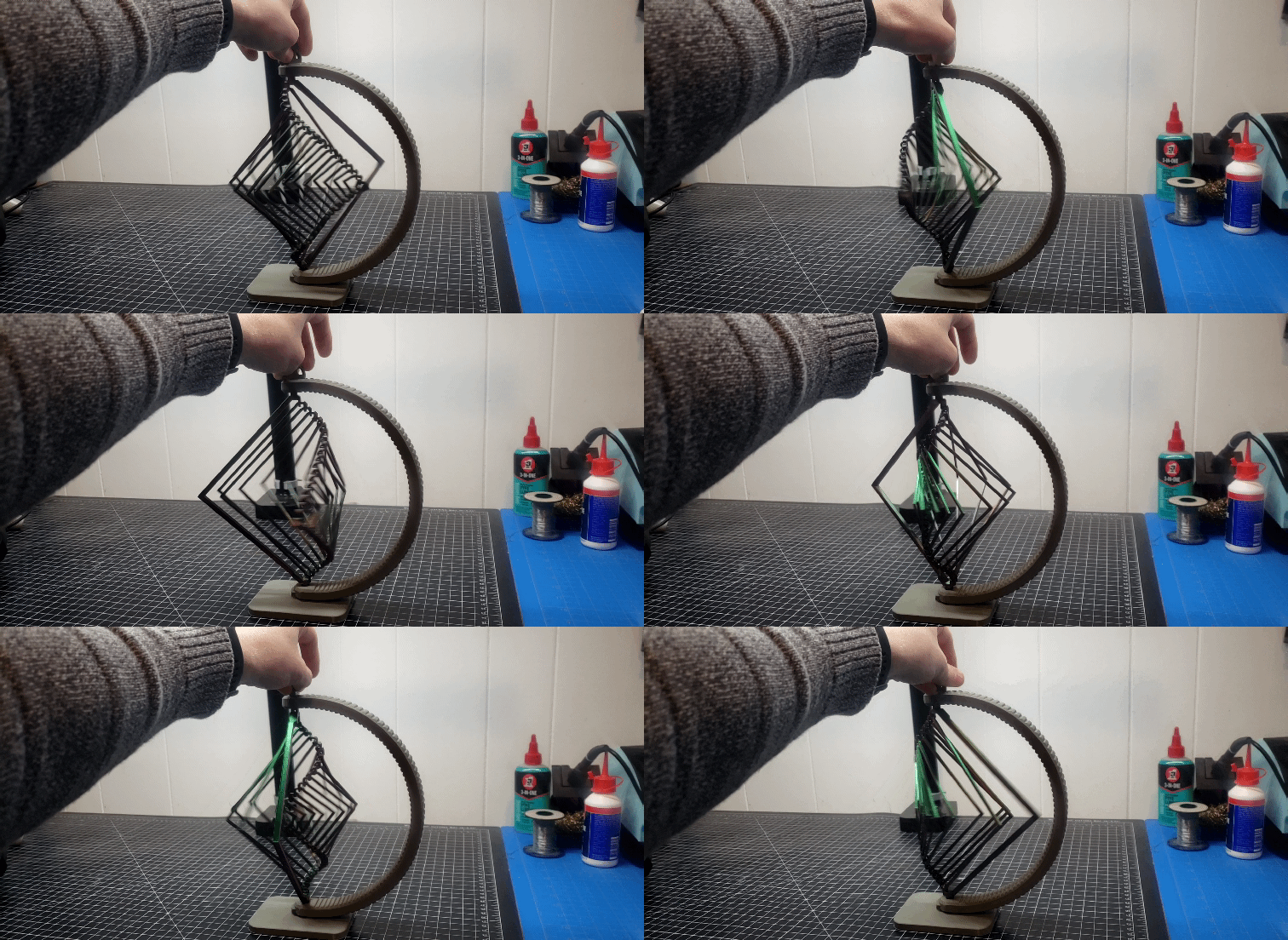

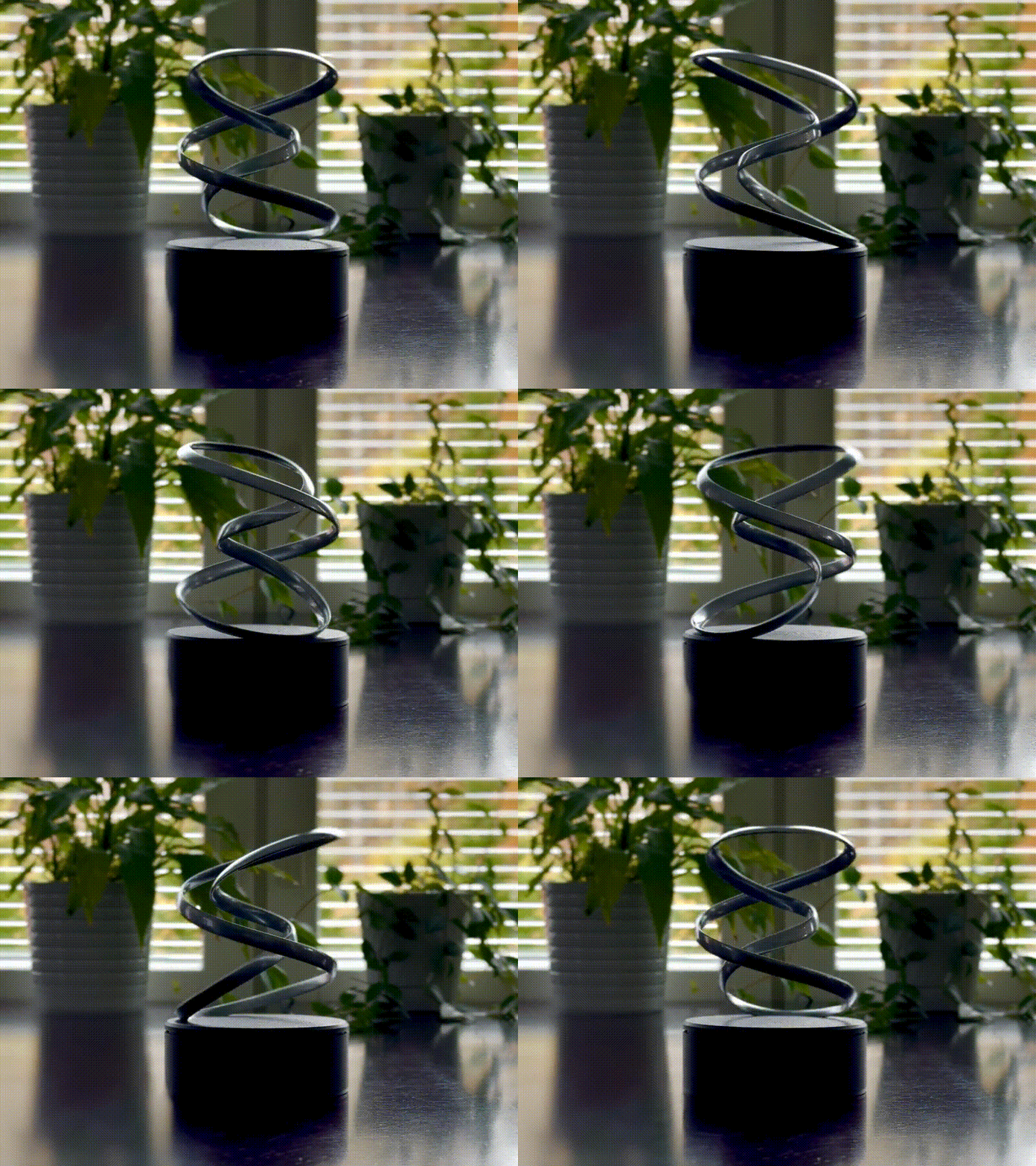




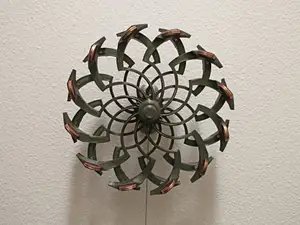




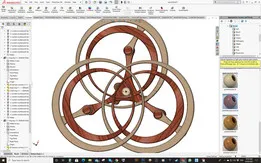



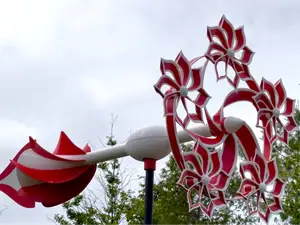


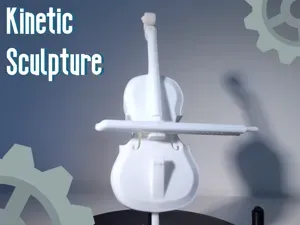
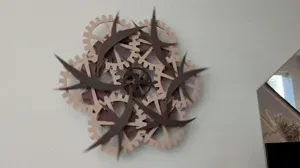

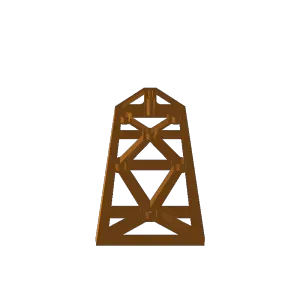

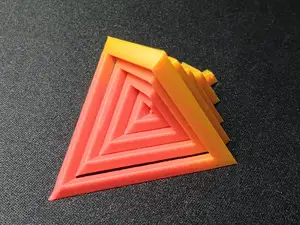
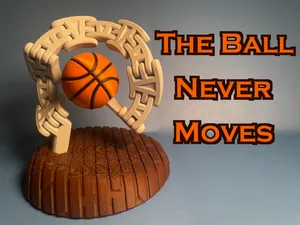
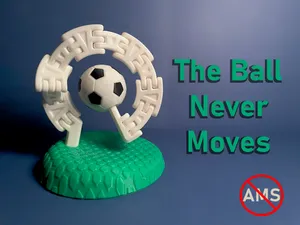
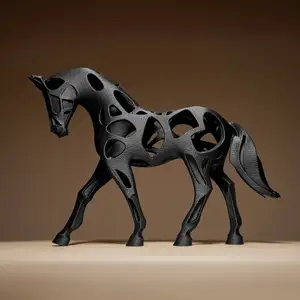
The models differ mainly in how the movement is produced. Fixed-center sculptures keep a ball or globe in one spot while the surrounding frame rotates; spiral and helicone forms change profile as they spin; print-in-place pieces rely on clearances built into the file itself; spring-powered and self-balancing versions use stored tension or a shifting weight. Animal and creature figures usually combine a decorative body with a small moving element.
Before printing, open the author's model page and read what is listed there: overall size and scale, the number of separate parts, whether supports are needed, and the material and settings the author used. Tolerances matter more here than on static models, so check the stated clearance between moving parts and how the piece is meant to be assembled or snapped together. Photos of real prints show how the mechanism behaves after printing far better than a render.
To narrow the search, try synonyms and related terms: moving sculpture, mechanical toy, fidget spinner, automaton, marble run, desk toy, whirligig, or the names of the shapes you have in mind, such as spiral, helix, gear or pendulum. Combining a mechanism word with a subject word — for example a creature or a geometric form — usually brings up a different set of results than the broad topic alone.





The full catalog of topics — from home & household to CNC, searchable across the connected sources.