€ 5.90 
Mario Bros - mario bros Soccer V2 - mario bros world cup (MULTIPART / NO AMS)
Cults3D
This collection gathers articulated figures, fan-art characters and small helper parts that people print on a home 3D printer. It helps you compare how different STL sets are built before you commit to a spool of filament or a print session. Polyzon does not confirm whether models are free, their price, license, official status, affiliation, safety or fitness. Check the current terms at the source.
 A Polyzon collection · 47 models from 2 platforms
Polyzon assembles this collection from search results on the connected platforms. Repeats and models without a preview are removed, weak matches go to the end, and the rest keeps the search order. Models belong to their authors — check the terms on each model's page.
Selection rules: the Polyzon editorial team · Text updated 2026-10-15
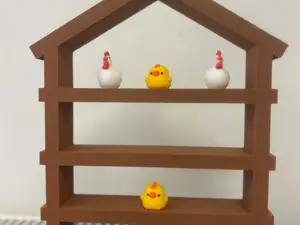
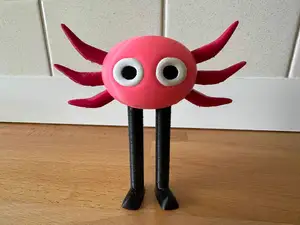

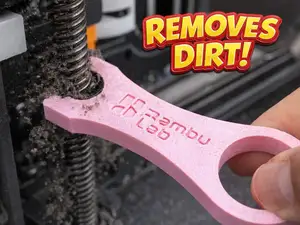
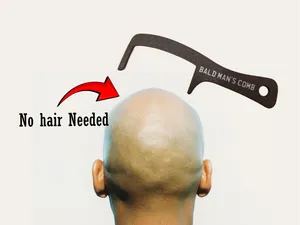
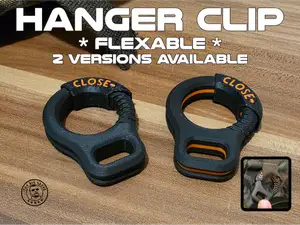

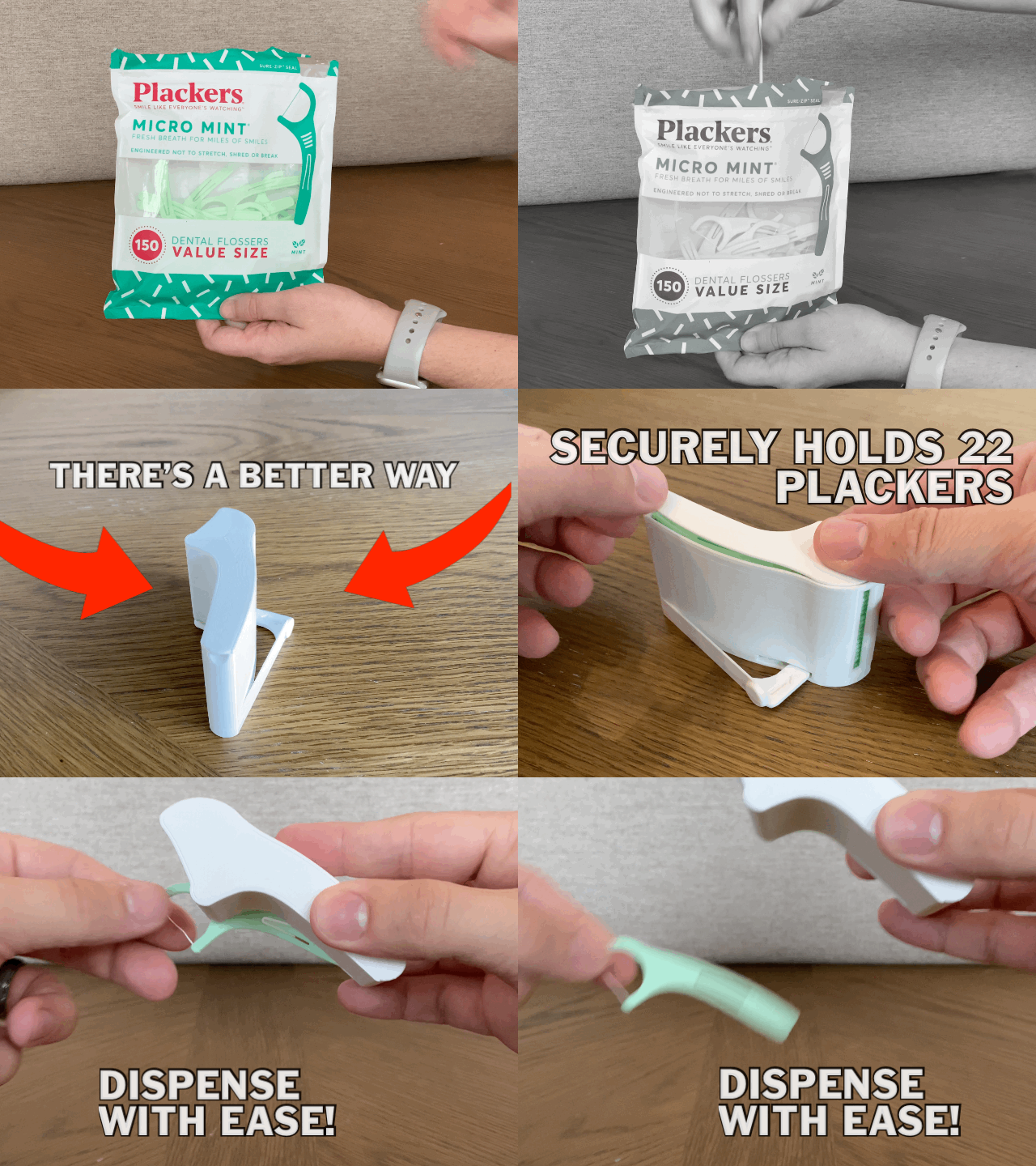
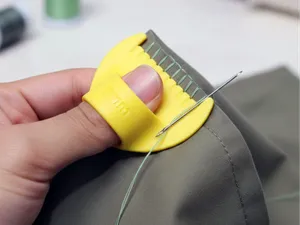
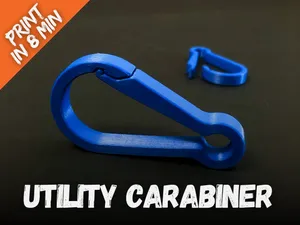

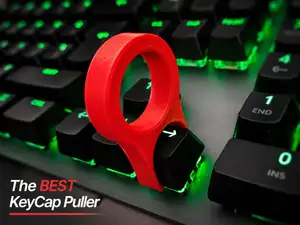
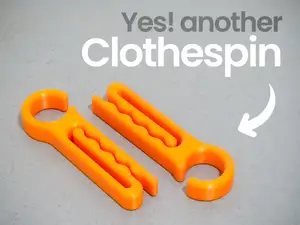
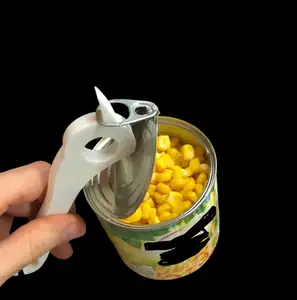
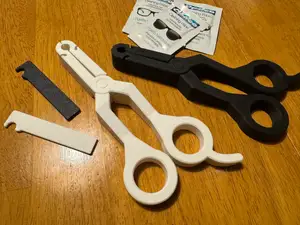

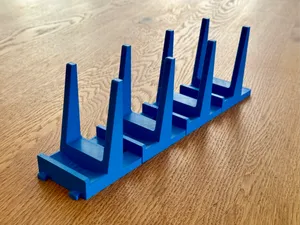

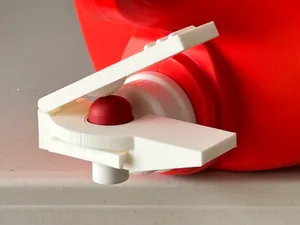


Articulated figures usually arrive as one piece with the joints already in place, while fan-art characters are often split into several parts that you glue or snap together. Print-in-place props and armour pieces keep their moving elements inside the model, so the printer does the assembly. Small helper parts are simpler in shape and normally print flat without extra structure.
On the author's page, check the size and scale first, then the number of parts and whether the model needs supports. Look at the material and settings the author lists, and at photos of real prints to see how joints and thin sections come out. For multi-part figures, note whether the parts are keyed or need sanding and filling.
If a search returns too much, add words such as articulated, print in place, multipart or fidget to narrow it. Related terms like fan art, cosplay prop, desk toy or miniature often surface models the first query missed. Combining a character or object name with the printing method usually gives a shorter, more focused list.

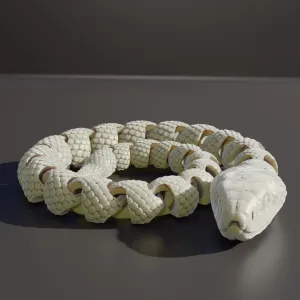


The full catalog of topics — from home & household to CNC, searchable across the connected sources.
