
Free 
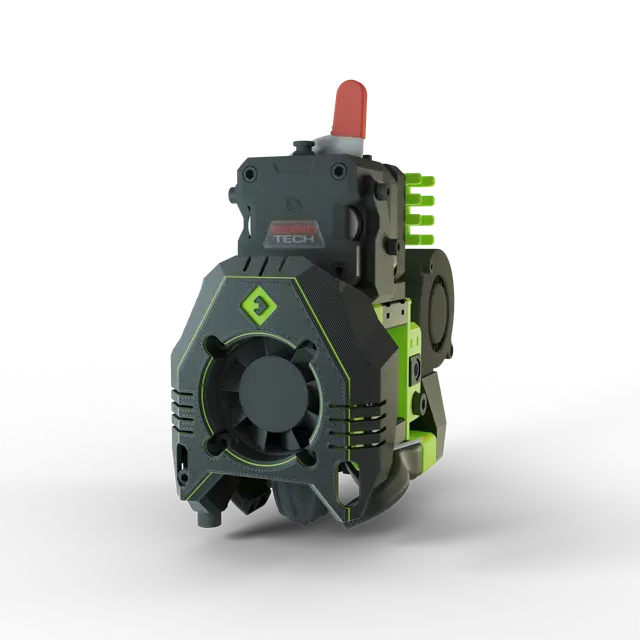
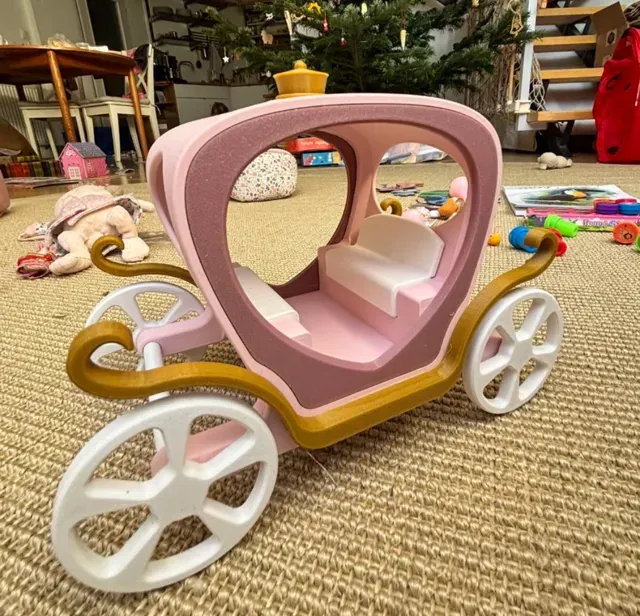
Enchanted Pumpkin Carriage
Thingiverse
Carriage is a word that points in several directions in 3D printing: the moving plate that carries a toolhead, a horse-drawn vehicle, and a small wagon for tabletop games. This collection gathers STL files from all of those directions, so the first step is deciding which meaning you need. The mix is useful because one search term leads both to parts for a 3D printer and to decorative or scale models. Polyzon does not confirm whether models are free, their price, license, official status, affiliation, safety or fitness. Check the current terms at the source.
 A Polyzon collection · 47 models from 4 platforms
Polyzon assembles this collection from search results on the connected platforms. Repeats and models without a preview are removed, weak matches go to the end, and the rest keeps the search order. Models belong to their authors — check the terms on each model's page.
Selection rules: the Polyzon editorial team · Text updated 2026-10-15
![Anycubic i3 Mega X-Carriage [MK4]](https://cache.polyzon.org/api/img?url=https%3A%2F%2Fresize.thingiverse.com%2F%3Furl%3Dhttps%3A%2F%2Fcdn.thingiverse.com%2Fassets%2Fb2%2Fd4%2Fea%2F31%2F41%2FP1_2.png%26w%3D292%26h%3D219%26fit%3Dcontain%26cbg%3Dwhite%26n%3D-1&w=300)
%2Fhttps%3A%2F%2Ffbi.cults3d.com%2Fuploaders%2F14234996%2Fillustration-file%2F2cf0a6eb-c596-4738-b557-051d73ab23c5%2F1.jpg&w=300)


%2Fhttps%3A%2F%2Ffbi.cults3d.com%2Fuploaders%2F19906407%2Fillustration-file%2Ff19848d9-5b55-429f-b441-a08f12ae6ca3%2F_Title.jpg&w=300)

%2Fhttps%3A%2F%2Ffbi.cults3d.com%2Fuploaders%2F14960849%2Fillustration-file%2F077ff729-2feb-4f53-901b-9c5f4f248262%2FStagecoach_v2.png&w=300)

%2Fhttps%3A%2F%2Ffbi.cults3d.com%2Fuploaders%2F16234601%2Fillustration-file%2Fcac780c4-d6b3-4749-8efa-66f0a3736fbf%2Fresize-pc-knight.jpg&w=300)

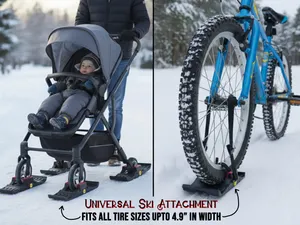

%2Fhttps%3A%2F%2Ffbi.cults3d.com%2Fuploaders%2F13325082%2Fillustration-file%2F57324f53-0701-4075-99da-388073e0768d%2FCapture%2520d%25E2%2580%2599e%25CC%2581cran%25202017-08-22%2520a%25CC%2580%252015.45.31.png&w=300)

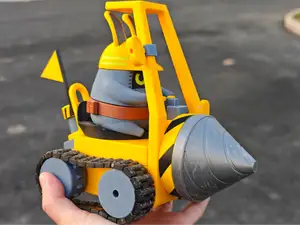


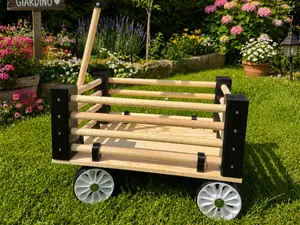

%2Fhttps%3A%2F%2Ffbi.cults3d.com%2Fuploaders%2F29290850%2Fillustration-file%2F52fbe95d-1162-46bd-98a2-348703476ce4%2FCarriage-Horse-Drawn.png&w=300)

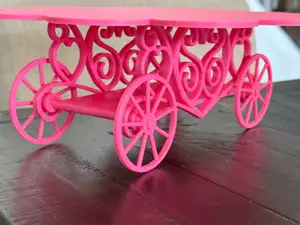

%2Fhttps%3A%2F%2Ffbi.cults3d.com%2Fuploaders%2F28082253%2Fillustration-file%2F3170cffc-9abd-4987-a650-06ca1bda791e%2FHalfling-Merchant-Wagon-1-P.jpg&w=300)
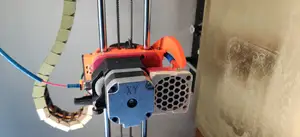
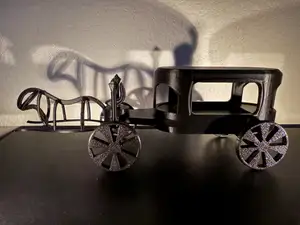

%2Fhttps%3A%2F%2Ffbi.cults3d.com%2Fuploaders%2F14920285%2Fillustration-file%2F0e64f4a5-d76b-426a-bf0f-14f2637d6402%2F01.jpg&w=300)
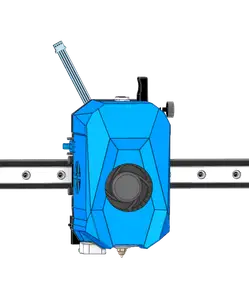
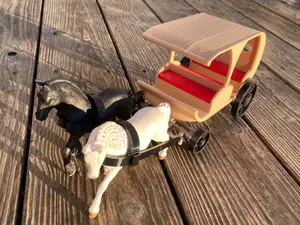

%2Fhttps%3A%2F%2Ffbi.cults3d.com%2Fuploaders%2F15608750%2Fillustration-file%2F294e0839-4086-438e-9415-259f22ee6842%2FHobbitFireworkCart_h154x79x67_.jpg&w=300)


![AI3M X-Carriage Direct Drive Upgrade-Kit (BMG-Style) [MK4]](https://cache.polyzon.org/api/img?url=https%3A%2F%2Fresize.thingiverse.com%2F%3Furl%3Dhttps%3A%2F%2Fcdn.thingiverse.com%2Fassets%2F9f%2Fae%2F44%2Fe1%2F64%2FDirectDriveP3.png%26w%3D292%26h%3D219%26fit%3Dcontain%26cbg%3Dwhite%26n%3D-1&w=300)
%2Fhttps%3A%2F%2Ffbi.cults3d.com%2Fuploaders%2F13070760%2Fillustration-file%2F94d38a8d-6ac7-40dd-970e-092ef2cd1fdb%2Fcarriage.jpg&w=300)

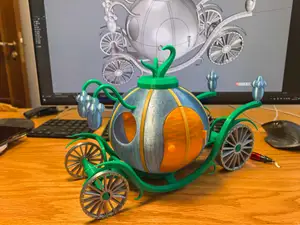
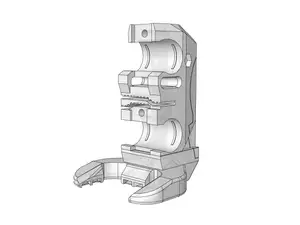
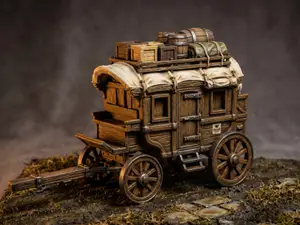
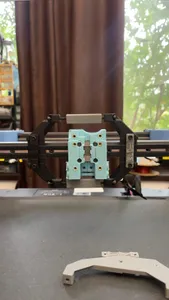
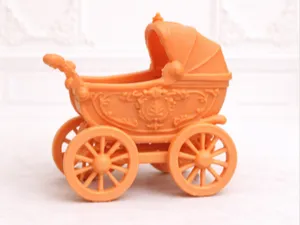
Printer carriages are flat plates with mounting holes, belt slots and points for a fan duct or hotend, and they are often described as modular because the toolhead can be swapped. Miniature carriages and wagons are solid bodies with wheels, axles and shafts, usually sized to a stated scale such as 28 mm or H0. Decorative coaches sit between the two: larger display pieces with thin spokes and curved panels rather than mechanical fittings.
When choosing a model, compare the stated dimensions and hole spacing with your own machine before anything else. Look at how many parts the author lists, whether they are joined with screws or glue, and whether supports are needed for the overhangs. The material and settings on the model page, together with photos of real prints, tell you more about the result than a rendered image does.
Searches can be narrowed by swapping the word itself: x-carriage, toolhead plate, hotend mount and gantry plate all describe printer parts, while wagon, coach, buggy, pram and stagecoach cover vehicles. Adding a scale or a printer name, or terms such as modular, bowden or direct drive, cuts the results down quickly. Related topics like wheels, axles and hitches are worth trying when a carriage model is listed under a different name.
For a miniature, check the scale in the title against the figures or track you already use, since wheel size and overall length change with it. For a printer part, confirm that the belt path, mounting pattern and fan duct opening match your setup. If a listing is unclear, the questions section on the author's page is usually the fastest way to get the missing measurement.





The full catalog of topics — from home & household to CNC, searchable across the connected sources.
![Heavy Imperial Fire Support Update [PRESUPPORTED]](https://cache.polyzon.org/api/img?url=https%3A%2F%2Fimages.cults3d.com%2FVO7vqbyTCmc1t75ii2lStQahB0g%3D%2F246x246%2Ffilters%3Ano_upscale()%2Fhttps%3A%2F%2Ffbi.cults3d.com%2Fuploaders%2F19957351%2Fillustration-file%2F3b7a5307-80e0-4f26-8bda-4f49387d9eb6%2F2.png&w=640)